

The numbers that define modern tourism’s scale are striking in both directions. According to the United Nations World Tourism Organization, around 300 million tourists traveled internationally in the first three months of 2025 alone, a 5% increase compared to the same period in 2024. At the same time, according to Sustainable Travel International, approximately 8% of global carbon emissions are generated by tourism. The gap between those two figures — explosive growth in travel demand against a growing environmental toll — is where the concept of sustainable tourism lives, and where individual traveler choices begin to carry measurable weight.
A sizeable 84% of travelers surveyed said that traveling more sustainably is important to them, and 75% of worldwide travelers in 2024 said they plan to travel more sustainably over the next year. U.S. Travel Association The problem, consistently documented across multiple surveys, is that intent and behavior do not align. According to Booking.com data, 87% of travelers want to travel sustainably, but only 39% actively make environmentally friendly travel choices. Closing that gap requires not good intentions but specific, actionable information. What follows is a framework of ten verified approaches that translate sustainable travel intent into practice.
- Understand What You Are Actually Emitting
Before adjusting behavior, travelers benefit from understanding which parts of a trip carry the greatest environmental impact. Aviation accounts for 2.5% of global CO₂ emissions, but has contributed around 4% to global warming to date, because aircraft also affect the concentration of other atmospheric gases and pollutants beyond CO₂ alone — including contrails, which account for the largest share of non-CO₂ warming effects, according to research published in Our World in Data citing peer-reviewed sources. The practical implication: a single long-haul flight can dwarf the environmental impact of all other decisions made on a trip combined.

Around 80% of aviation emissions come from flights over 1,500 kilometers, according to the Air Transport Action Group’s December 2024 fact sheet on aviation and climate change. Shorter routes, and wherever feasible, alternative transport modes such as rail, carry significantly lower per-passenger emission profiles.
- Choose Direct Flights and Economy Class
When flying is unavoidable, two choices within the booking process carry documented environmental consequences. Direct flights emit less than connecting flights because takeoff and landing phases consume disproportionate fuel relative to cruising altitude. This is not a marginal difference — each takeoff and climb requires substantially more fuel than sustained level flight.

Cabin class also matters in ways most travelers do not consider. Business and first-class seats occupy three to four times more physical space than economy seats on the same aircraft. Since per-passenger emissions are typically calculated by dividing total flight emissions by passenger count weighted to seat space, a business class seat carries a carbon footprint several times larger than an economy seat on the same flight. The choice of cabin class is, by this measure, among the most consequential environmental decisions a traveler makes at the point of booking.
- Use Carbon Offset Programs — With Verified Caution
Carbon offsetting has become a standard offering from airlines, booking platforms, and specialist providers. It allows travelers to fund emissions-reducing projects — reforestation, renewable energy, methane capture — to theoretically compensate for the carbon their journey produces. The mechanism is legitimate in principle. The implementation varies widely in quality.
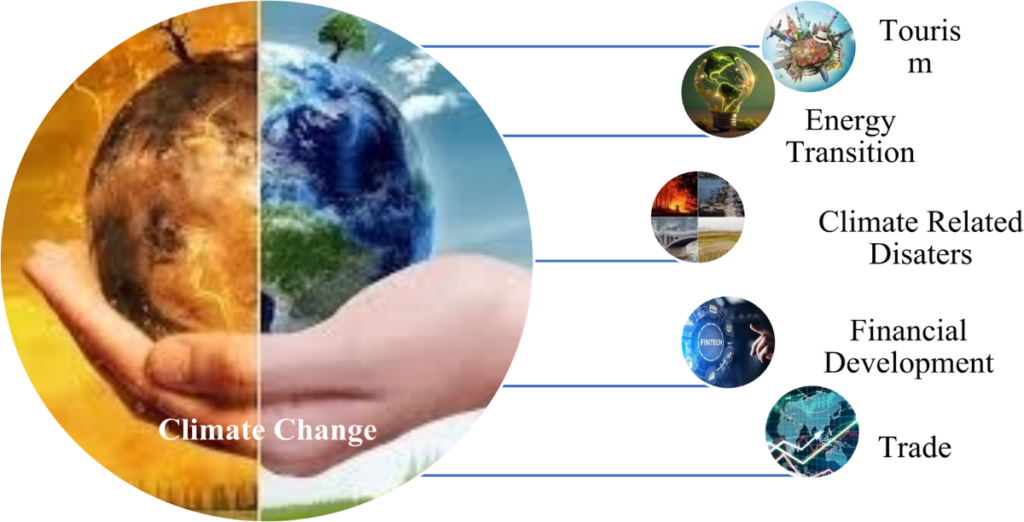
ICAO’s carbon offsetting scheme, CORSIA, has been assessed by the Climate Action Tracker as having weak eligibility criteria for offsets that are inconsistently applied. Indie Traveller Travelers seeking meaningful offsets should look for programs certified by recognized standards bodies — Gold Standard and Verified Carbon Standard are among the most established — and should treat offsetting as a supplement to reducing emissions, not a substitute for it. The Global Sustainable Tourism Council, which manages global standards for sustainable travel and tourism, notes that its Standards are designed to address environmental impacts including consumption of resources, reducing pollution, and conserving biodiversity.
- Book GSTC-Certified or Verified Sustainable Accommodation
Accommodation carries one of the highest controllable environmental footprints of any trip component, from energy and water consumption to waste generation and supply chain choices. The challenge for travelers is distinguishing genuine sustainability from marketing claims. The GSTC is aware of more than 200 labels globally for accommodations described as eco, green, or sustainable, most of which claim to be certifications, but in fact many do not comply with international norms on the definition of certification, according to GSTC’s own published guidance.
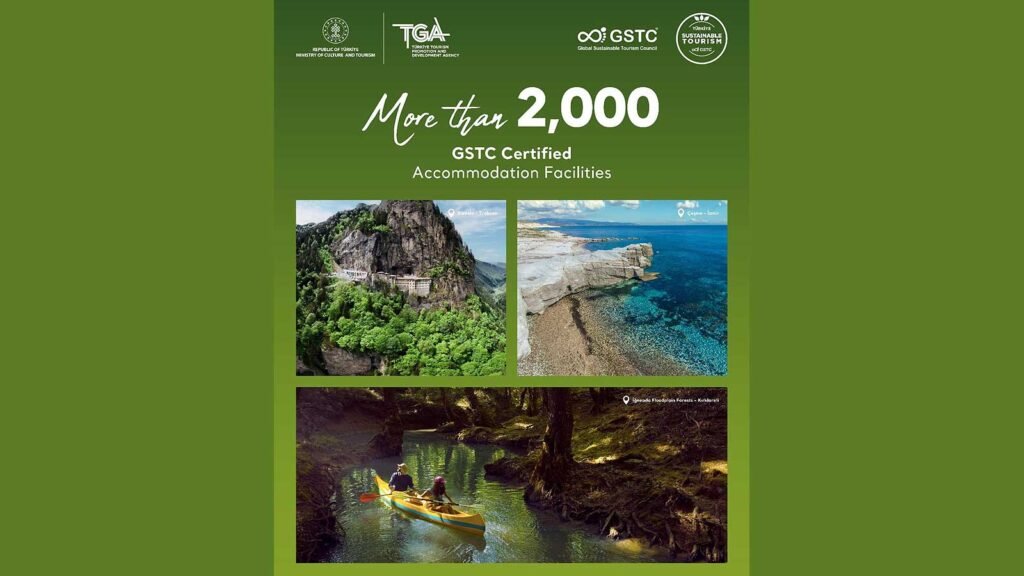
The GSTC Standards serve as the global standards for sustainability in travel and tourism, organized around four pillars: sustainable management, socioeconomic impact, cultural heritage, and environmental impacts including consumption of resources, reducing pollution, and conserving biodiversity. Travelers seeking genuinely certified accommodation should verify whether a property holds certification from a GSTC-accredited body, not merely a self-applied green label. Approximately 45% of travelers say accommodation with a verified sustainability certification is more appealing to them, and 29% say they would actively look for information on sustainability before making a booking, according to data compiled by Radical Storage. U.S. Travel Association
- Eat Local, Seasonal, and Plant-Forward
Food is among the most culturally resonant and environmentally impactful choices a traveler makes daily. Meals sourced from local producers reduce transport emissions, support community economies, and preserve culinary heritage. Meals imported, processed, or centered on livestock products carry a significantly higher carbon footprint per calorie than locally grown, plant-forward alternatives.

According to the UNWTO, sustainable tourism initiatives provide livelihoods for over 10 million local residents in ecotourism-rich areas, and every pound spent on ecotourism generates an estimated £9.36 in direct and indirect income for local communities — a multiplier effect that eating at locally owned restaurants directly activates. Choosing street food markets, locally owned restaurants, and dishes built on regional ingredients over international chain restaurants serves both environmental and economic sustainability goals simultaneously.
- Use Public and Low-Carbon Transport at the Destination
Ground transport within a destination is where day-to-day traveler choices accumulate into meaningful environmental impact. According to Expedia Group data, 56% of travelers say they want to reduce their carbon footprint by choosing more sustainable transportation options. Buses, trains, trams, cycling infrastructure, and walking are available in most destinations visited by significant tourist numbers, and consistently carry lower per-passenger emissions than private car rental or taxi use.
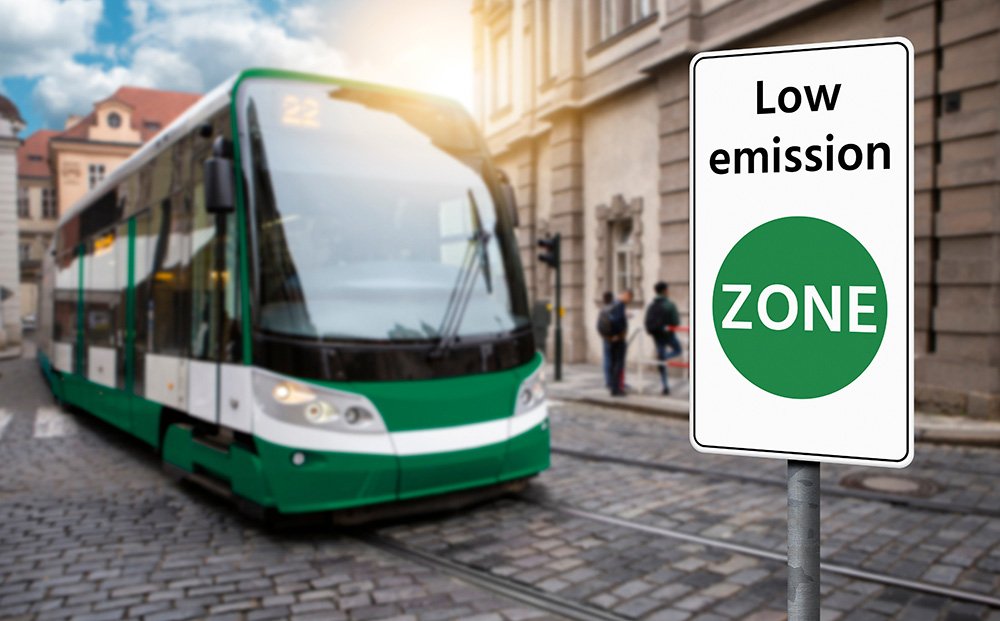
In many European cities, public transport is integrated specifically to serve tourism demand. Copenhagen’s CopenPay program, which returned in 2025, offers tourists perks like discounted museum entry or a free coffee in exchange for taking the metro or traveling via bike — a policy designed to actively incentivize lower-carbon transport choices during visits.
- Respect Carrying Capacities and Avoid Overtourism Hotspots in Peak Season
The environmental and social impacts of overtourism are no longer theoretical. In 2024, Santorini reported up to 18,000 cruise passengers overwhelming the island daily, straining resources for its permanent population of 15,000 residents. Barcelona, a city of 1.6 million people, receives 32 million visitors a year, and has seen rising costs of living push some residents out of the city, with protests throughout 2024 and into 2025 driven by concerns over housing displacement and strained public services.
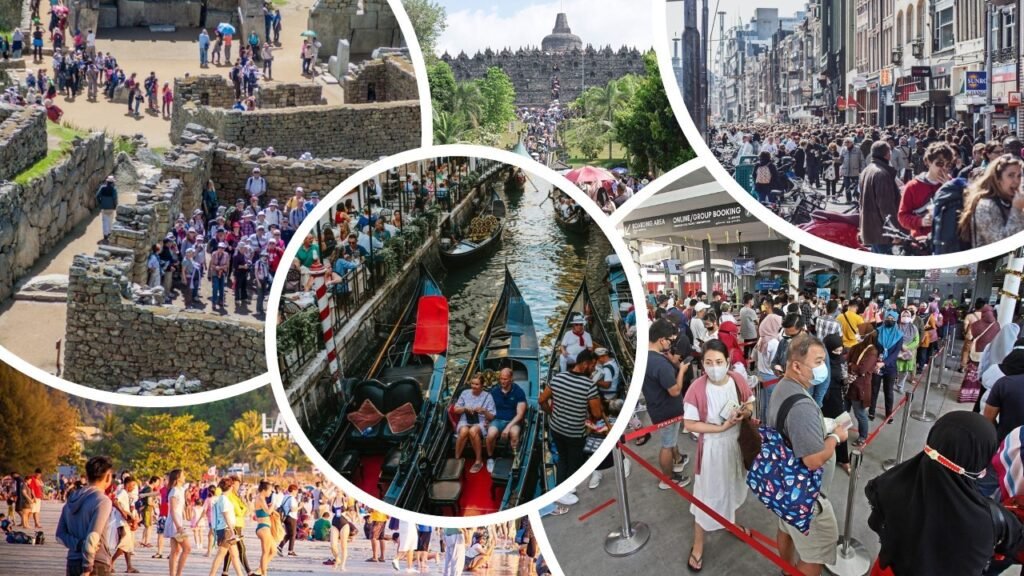
Traveling to popular destinations outside peak seasons, visiting lesser-known alternatives within the same region, and spending time and money in neighborhoods beyond the most heavily trafficked tourist centers are all approaches that distribute the economic benefits of tourism while reducing concentrated pressure on infrastructure, housing, and ecosystems. Japan’s UNESCO-protected Iriomote Island now limits daily tourists to 1,200, and Kyoto has banned tourists from entering private alleys in the Geisha district — formal carrying capacity measures that reflect an institutional recognition that visitor volume itself has become an environmental management problem.
- Eliminate Single-Use Plastics From Your Travel Kit

Single-use plastics represent one of the most visible and manageable forms of travel-related environmental impact. Refillable water bottles, reusable bags, solid toiletry bars, and travel cutlery sets eliminate the majority of plastic waste generated by typical travel patterns without meaningful sacrifice of convenience. Globally, 40% of hotel chains are actively implementing plastic reduction strategies, such as eliminating single-use plastics, according to the World Travel and Tourism Council. Traveler behavior reinforces or undermines these institutional efforts — a traveler who brings a reusable bottle removes demand pressure on single-use plastics at the point of consumption, regardless of what the hotel provides.
- Support Conservation Directly Through Spending Choices
Where travelers spend money within a destination shapes what that destination’s economy is built on. Tour operators, accommodations, and experience providers that actively fund conservation, hire locally, and operate within environmental limits receive that funding precisely because travelers choose them. Those that do not are supported by the same mechanism in reverse.

Sustainable tourism initiatives have reduced water consumption at hotels by 20% in some regions, according to the Green Lodging Trends Report. National parks, wildlife reserves, and marine protected areas typically charge entry fees that fund conservation directly — these are among the most verifiable forms of traveler spending with documented environmental benefit. Voluntourism programs that are vetted, skills-matched, and community-led represent an additional mechanism, though travelers should verify the credentials of operators before committing time or funds.
- Travel Slower and Stay Longer
The single most effective structural shift a traveler can make is to take fewer trips of greater depth rather than many short trips. The per-day carbon footprint of a trip is dominated by the emissions from getting there — extending the stay amortizes those fixed travel emissions across more days, lowering the environmental cost per day of experience significantly.

Slow travel also generates more sustained economic benefit for host communities. A traveler who spends two weeks in one region, eating locally, using local transport, and engaging with community-based tourism, distributes more economic value with less environmental cost than the same traveler bouncing across four destinations in the same period. Booking.com predicts that travelers in 2025 will increasingly opt to use technology to find more sustainable choices outside of tourist hotspots U.S. Travel Association — a pattern that, if it develops at scale, would begin to address both the concentration of overtourism pressure and the per-trip emissions profile that currently defines mass travel.
The Honest Accounting
Despite the decline of online searches for the phrase “sustainable travel” — which dropped 59% from their April 2023 peak to March 2025, according to search trend data — sustained interest suggests that eco-conscious travel remains an important topic among consumers. U.S. Travel Association The challenge is not awareness. It is the consistent gap between stated values and actual choices. That gap closes not through guilt or abstraction but through the same mechanism that drives all behavior change in travel: specific, practical information about what to do and why it matters. The ten approaches above are not aspirational. They are executable, verified, and available to any traveler willing to apply them before the next trip departs.