
Solo travel has moved decisively from niche to mainstream. The global solo travel market was estimated at $482.34 billion in 2024 and is projected to reach $1.07 trillion by 2030, growing at a compound annual growth rate of 14.3% from 2025 to 2030, according to Grand View Research. U.S. Travel Association Yet behind those figures lies a persistent and documented tension: millions of people who want to travel alone are held back by safety concerns — concerns that are, in many cases, addressable through preparation rather than avoidance.
For first-time solo travelers, understanding what the risks actually are, how to mitigate them, and what official resources exist is not supplementary information. It is the foundation of the entire journey.
Who Is Actually Traveling Solo — And Who Wants To
The solo travel demographic has shifted significantly. Solo travel is a rising trend among Millennials and Gen Z, with 76% planning solo trips this year, according to the American Express 2024 Global Travel Trends Report. Women dominate the market. Women account for 65 to 70% of solo travelers globally and are drawn by safety, self-growth, and freedom, according to data compiled by Atlys.
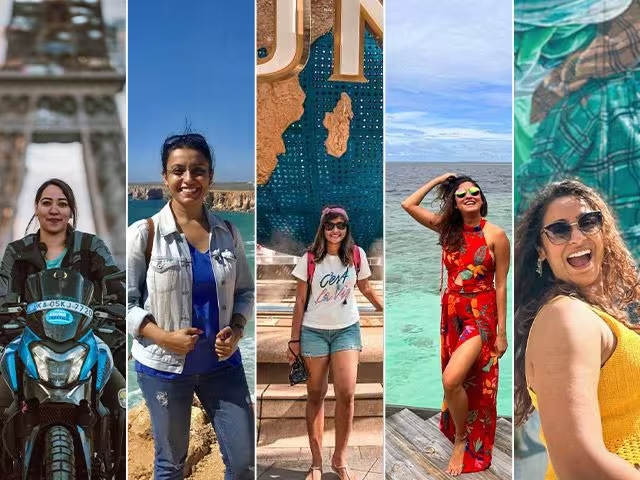
But the same research that documents this growth also reveals the single most significant obstacle. Personal safety ranks as the top concern for 66% of solo female travelers, followed closely by the higher costs of traveling alone at 66%, according to the 2024 Solo Female Travel Trends survey. Among those who have never traveled solo at all, the barrier is even more pronounced. According to a survey by Radical Storage, 56.7% of people who have never traveled solo cite safety concerns as the primary reason, while 55.2% say they prefer traveling with others.
Critically, however, the data also shows that fear declines with experience. Among travelers with fewer than six solo trips, 78% worry about safety, compared to just 59% of those who have taken more than 10 solo trips, according to the 2024 Solo Female Travel survey. The implication for first-timers is significant: the anxiety is real, but it is also not fixed. Preparation and experience reduce it measurably.
Step One: Official Resources Before You Book
Before any itinerary is finalized, first-time solo travelers should consult official government travel advisories — not travel blogs or social media — as their primary information source.
The U.S. Department of State issues travel advisories with four tiers of increasing risk: Level 1 (exercise normal precautions), Level 2 (exercise increased caution), Level 3 (reconsider travel), and Level 4 (do not travel). Advisories are issued when threats related to crime, health, kidnapping, natural disaster, unrest, or wrongful detention are identified. Topologica These ratings are country-specific and, in some cases, region-specific within a country.
Beyond checking advisories, the U.S. Department of State operates a program specifically designed for American travelers going abroad. The Smart Traveler Enrollment Program, known as STEP, is a free service that sends email updates and alerts from U.S. embassies and consulates abroad to enrolled travelers. Topologica When enrolled, travelers receive emails with news, alerts, and travel advisories about their destination country, and can be in direct contact with the U.S. embassy in the country they are visiting during an emergency. Budget Your Trip Enrollment is voluntary and takes approximately 20 minutes. Non-U.S. travelers can consult equivalent advisory services through their own governments — the UK’s Foreign, Commonwealth and Development Office and Canada’s Travel Advice service operate on similar principles.
Notably, government travel advisories went from being distrusted during the pandemic years to being trusted by 56% of solo travelers in 2025, according to the Solo Female Travel Trends survey Going — a meaningful shift that suggests the information infrastructure around solo safety is becoming better utilized.
The Documented Risks: What the Data Actually Shows
Understanding which risks are most common allows first-time travelers to allocate attention and precaution efficiently. The top safety concerns reported by solo travelers are mugging at 15%, road accidents at 14%, and scams at 13%, according to data compiled by PhotoAid. Thrifty Traveler These figures reflect concern levels, not incident rates — but they align broadly with what travel safety organizations and government advisories consistently flag for popular solo destinations.
For female travelers specifically, harassment represents an additional and documented concern. Safety remains the most significant worry for solo female travelers worldwide, with women continuing to face challenges including gender-based violence and harassment, which are particularly prevalent in certain destinations, according to Riskline. According to Booking.com’s 2024 travel behavior report, 41% of solo female travelers have changed accommodations mid-trip due to safety concerns.
These are not reasons to avoid solo travel. They are reasons to prepare for it specifically.
Practical Safety Foundations: What Works
In practical terms, this means limiting headphone use in public spaces, staying oriented in unfamiliar areas without visibly consulting a phone, and learning which neighborhoods at a destination carry elevated risk before arriving.
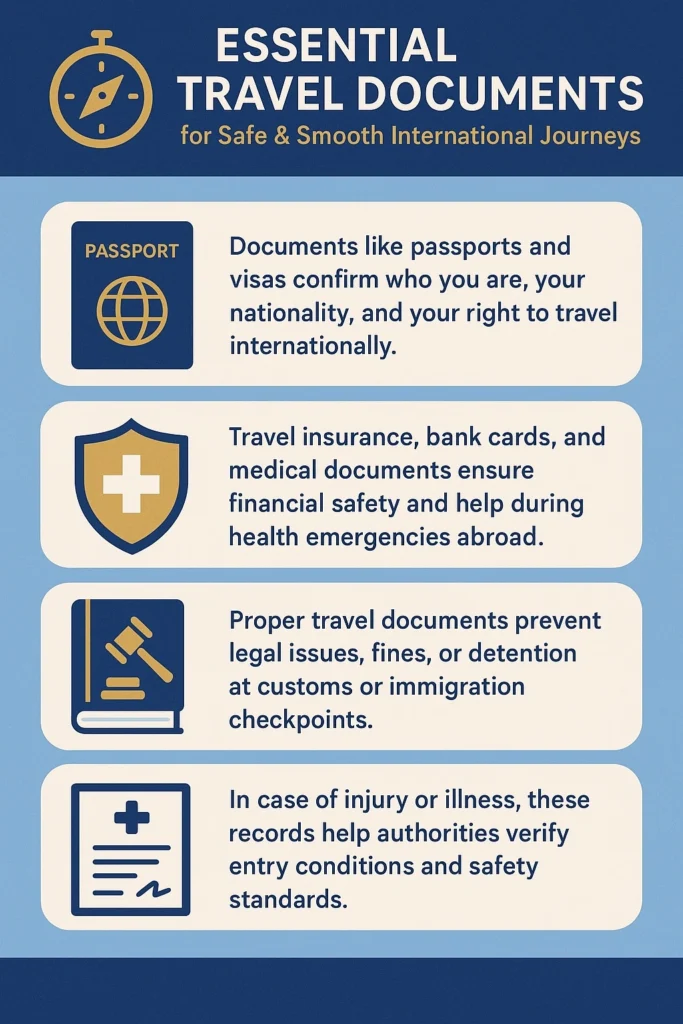
Document security and communication protocols. Travelers should bring only what they need when venturing out — a phone, a credit card, some cash, identification, and a copy of their passport — and keep these concealed in a secure bag visible at all times. A photocopy of the passport should be stored separately from the original, according to Travelers Insurance. Sharing a complete itinerary with a trusted contact at home — including accommodation addresses, planned travel dates, and local emergency numbers — provides a safety net that costs nothing.
Transportation vigilance. When using rideshare applications, the license plate, driver photo, and vehicle model should be verified against the app details exactly. Sitting in the back seat provides more space and an easier exit, and the trip-sharing or tracking feature available in most apps should be used consistently.
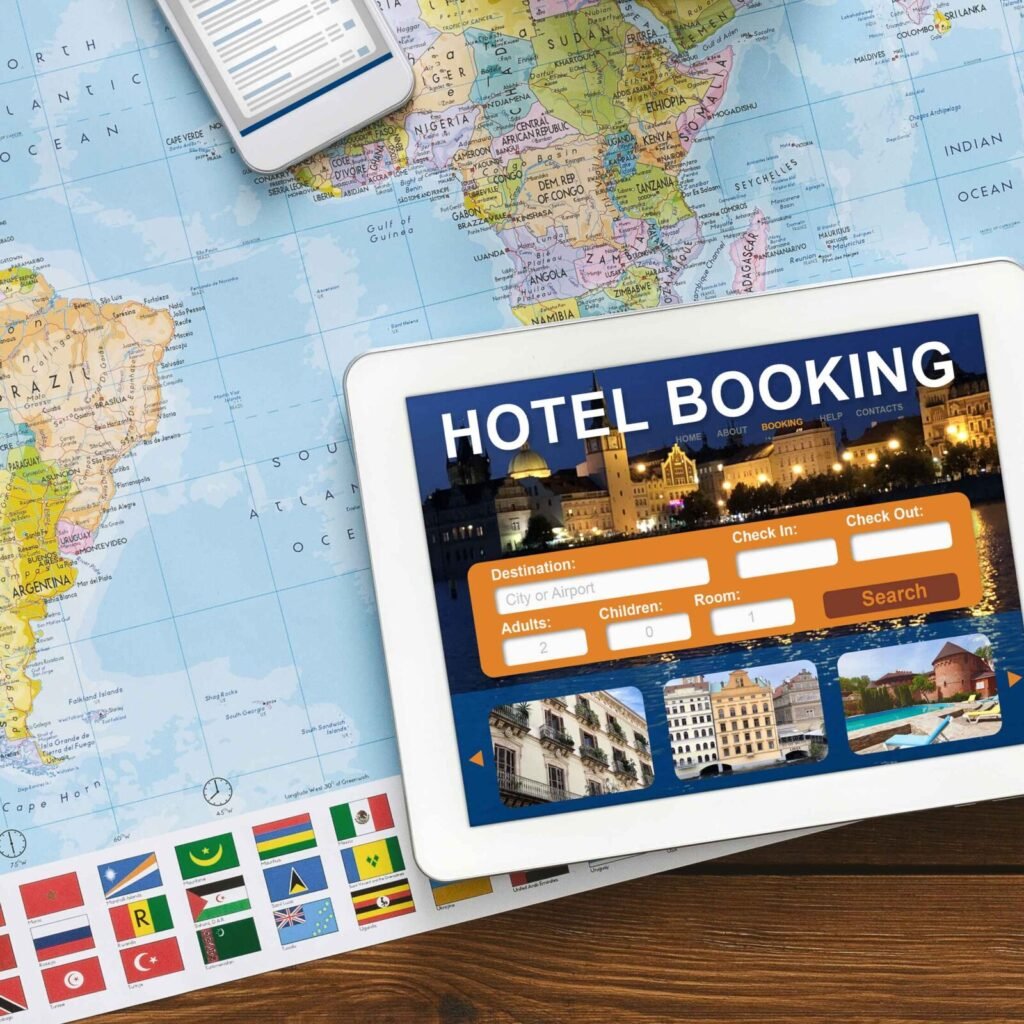
Accommodation selection. Travelers should research their destination’s safest neighborhoods and avoid areas flagged in official advisories. When possible, reserving a room above the ground floor but not too far from lobby amenities can reduce certain vulnerability risks. For those concerned about accommodation security, solo female travelers have increasingly used door stoppers, portable alarms, and locks as supplementary room security measures, according to the 2024 Solo Female Travel survey.
Cultural awareness as a safety tool. Cultural norms shape how people interpret behavior. Clothing, body language, tone of voice, and expectations around interaction vary by region and community. When approaching a place with curiosity rather than assumption, travelers move more smoothly within it — and knowing which institutions are commonly trusted, such as established businesses, hotels, or official information centers, makes support easier to access if needed. Budget Your Trip
Destination Selection and the Safety Variable
Not all destinations present equivalent risk profiles, and first-time solo travelers benefit from choosing starting points where safety infrastructure is stronger. Europe is generally considered a safe region for female travelers, with countries such as Ireland, Switzerland, and Portugal carrying low crime rates and a welcoming atmosphere for solo visitors. Canada, Japan, Singapore, and New Zealand also rank highly in terms of safety, reliable public transport, and access to healthcare services.
Sixteen percent of solo female travelers recommend starting with a trip in one’s own country of origin, citing the reduced cultural shock, familiar language, and lower uncertainty as factors that make a domestic first trip more manageable. Fifty percent recommend Europe as the ideal first international destination. The logic in either case is the same: a first solo trip is not the moment to test the highest-difficulty setting.
Insurance: The Step That Fewer Than Half Take
Travel insurance occupies a critical but frequently skipped position in solo travel safety planning. Only approximately 42% of travelers planning solo trips purchase travel insurance, according to data compiled by Atlys. The Motley Fool In the 2024 Solo Female Travel survey, around 35% of respondents said they never purchase medical insurance when traveling solo. Frommers
The gap between the risk awareness these same travelers demonstrate and their insurance purchasing behavior represents a meaningful vulnerability, particularly for solo travelers who have no companion to assist in a medical or logistical emergency. For travelers heading to destinations with limited healthcare infrastructure, insurance is not optional risk management — it is foundational.
The Honest Assessment
Solo travel carries genuine risks that vary significantly by destination, traveler profile, and preparation level. The data on safety concerns is not exaggerated — it reflects real experiences reported by real travelers. At the same time, the data on repeat travel is equally clear: of those who traveled solo in 2024, 36% are planning four to five solo trips in the upcoming year. People who have done it once, with preparation, largely choose to do it again.
The transition from first-time anxiety to practiced confidence is not accidental. It is built, methodically, before departure.


