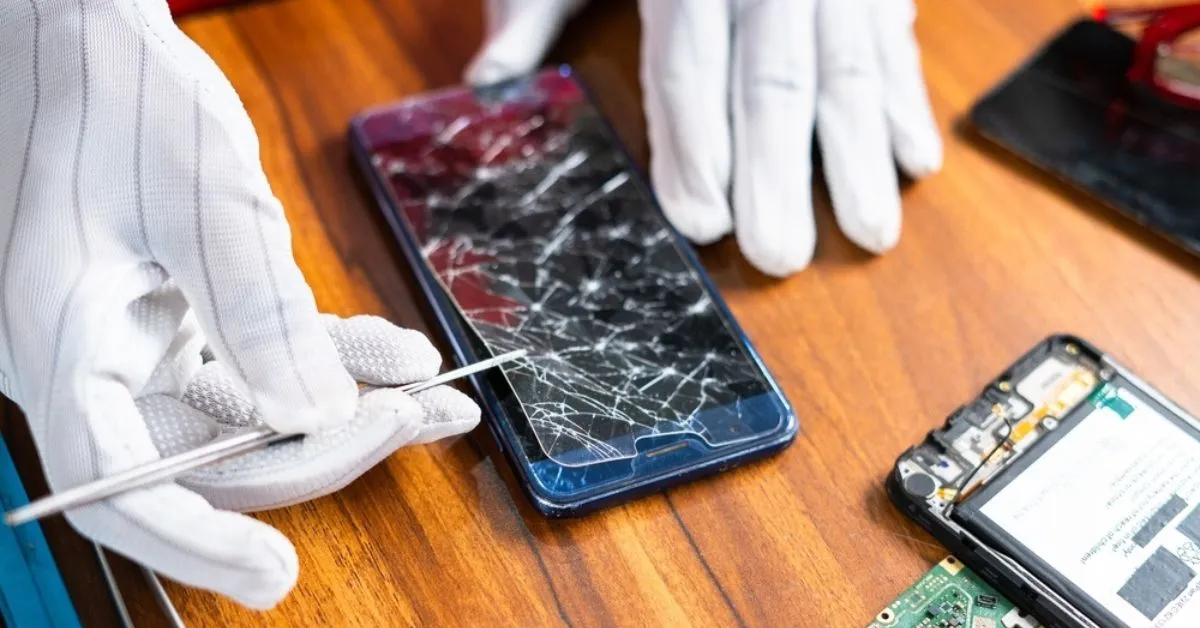


The right to repair movement — which advocates for consumers’ ability to service, modify, and fix products they purchase — has moved from grassroots activism to enacted legislation across multiple jurisdictions. The core argument is that manufacturers’ practices of restricting access to spare parts, service tools, repair documentation, and software update access effectively deny consumers ownership of the devices they have purchased, force them into expensive manufacturer service channels, and generate unnecessary electronic waste when economically repairable devices are discarded instead.
What Has Been Legislated
The United States passed federal right to repair legislation covering agricultural equipment in the 2023 Farm Bill, following several state-level laws. California passed the Right to Repair Act in 2023, requiring manufacturers of consumer electronics sold in the state to make spare parts, tools, and repair documentation available to independent repair shops and consumers for a minimum of seven years after a product’s manufacture. The EU Right to Repair Directive, adopted in 2024, establishes repairability requirements across multiple product categories including smartphones, tablets, and laptops sold in the European Union. Manufacturers must now provide repair services at reasonable prices and cannot use software updates to degrade repaired devices.
The Industry Response
Apple, which had long fought right to repair legislation, launched its Self Repair Program in 2022 making parts, tools, and repair manuals available for certain iPhone and Mac models to consumers and independent repair providers. The program has been criticized as incomplete — prices for parts have been set at levels that make self-repair economically unattractive compared to Apple’s own service centers in many cases — but it represents a structural shift from the company’s previous position of opposing any independent repair access.
Lenovo has demonstrated commitment to repairability in its ThinkPad line, with the ThinkPad T-Series achieving a perfect 10/10 iFixit score and customer-replaceable USB-C ports. Fairphone has built its entire brand proposition around modularity and self-repair, offering user-replaceable batteries, screens, cameras, and other components for its smartphones.
What It Means for Consumers
Right to repair legislation has practical, immediate consequences. Consumers in jurisdictions with these laws have legal recourse if manufacturers refuse to provide parts or documentation needed for repair. Independent repair shops can now legally access tools and parts for more categories of devices. The long-term environmental impact — if more devices are repaired rather than replaced — could be substantial given the resource intensity of electronics manufacturing.
The limitations are also real. Knowing that you have the right to repair a device and being able to practically execute that repair are different things. Technical complexity, the miniaturization of modern electronics, and the specialized tools required mean that most consumers will continue to rely on professional repair rather than self-service. The most significant near-term beneficiary is the independent repair industry, which now has legally protected access to the parts and information it needs to compete with manufacturer service channels.