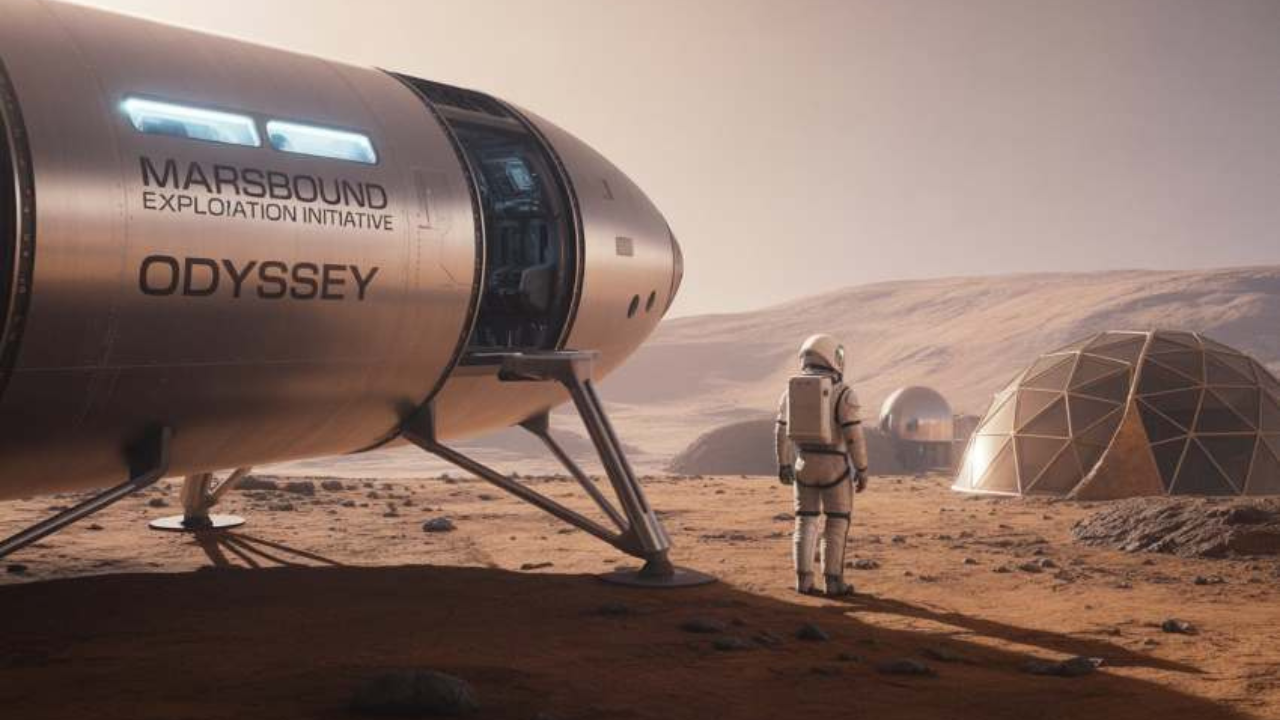


Space exploration in 2026 is characterized by two parallel but quite different trajectories: commercial human spaceflight that is real and expanding, and interplanetary ambitions that remain genuinely visionary but significantly further from realization than their most prominent advocates’ statements suggest.
Private Space Tourism: What Is Actually Happening
Commercial human spaceflight has become a functioning, if expensive, industry. SpaceX’s Crew Dragon capsule has carried paying passengers to the International Space Station on multiple missions. Blue Origin’s New Shepard rocket has carried numerous private passengers on suborbital flights to the boundary of space. Virgin Galactic carried commercial passengers on its VSS Unity vehicle before grounding the fleet for upgrades. SpaceX’s Axiom Space has flown multiple private astronaut missions to the ISS.
These experiences are available — for prices that range from approximately $450,000 for a Blue Origin suborbital flight to tens of millions of dollars for an ISS mission. They are not accessible to ordinary consumers and are currently restricted to a tiny cohort of wealthy individuals and professional astronauts. The infrastructure for broader space tourism — reusable vehicles with significantly lower per-seat costs, reliable safety records across hundreds of missions, and regulatory frameworks mature enough to enable routine commercial operation — is being built but is not yet established.
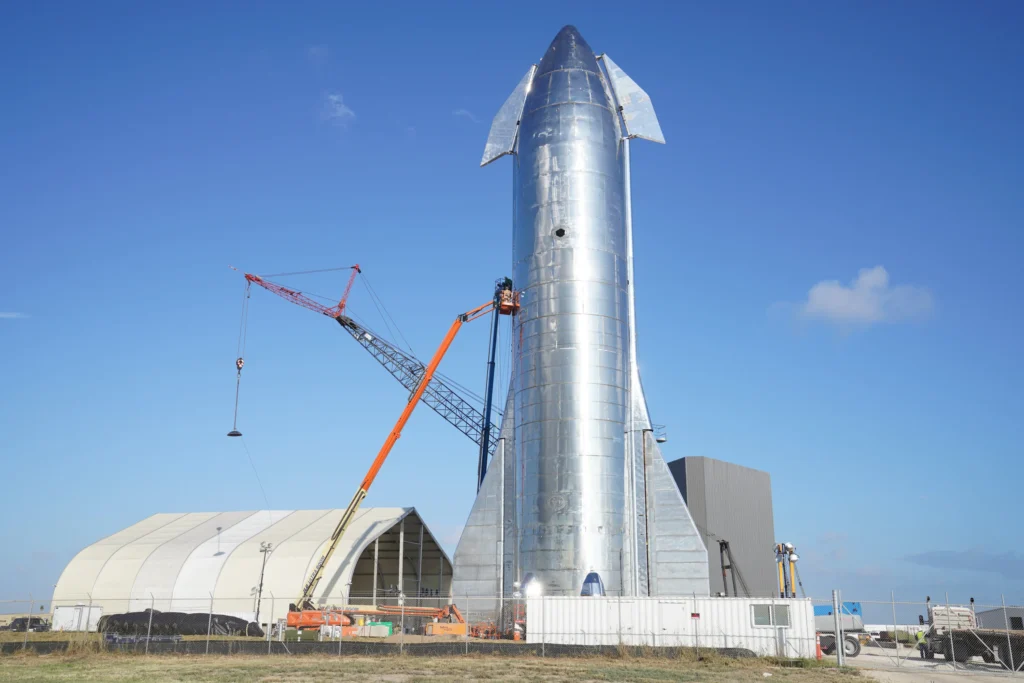
SpaceX’s Starship, the fully reusable super-heavy launch vehicle designed for both orbital missions and eventually crewed Mars transit, continued its test flight program through 2025 and early 2026. The vehicle has demonstrated successful launch and catch operations for its first-stage booster, which represents genuine engineering progress. However, Starship has not yet completed a full orbital mission with a human crew, and the path from current test flights to crewed interplanetary missions involves substantially more development work.
Mars: The Honest Timeline
Elon Musk has publicly stated ambitions for crewed Mars missions beginning in the late 2020s and has repeatedly revised these timelines. NASA’s Artemis program, which targets a return of humans to the Moon before a Mars mission, has faced delays and budget pressure. The scientific consensus among space mission planners is that a crewed Mars mission involves technical, physiological, and logistical challenges — radiation exposure over a multi-year transit, life support system reliability, landing on a planet with a thin atmosphere — that have not yet been resolved at the hardware level.
What is verifiable is that humanity’s robotic presence on Mars has expanded significantly. NASA’s Perseverance rover has collected rock samples intended for future return to Earth. Private investment in space technology has accelerated launch cadences, reduced launch costs, and produced new generations of satellite and rocket technology. The foundation for eventual human Mars missions is being built — through vehicle development, life sciences research, and planetary science — on a timeline measured in decades rather than years.