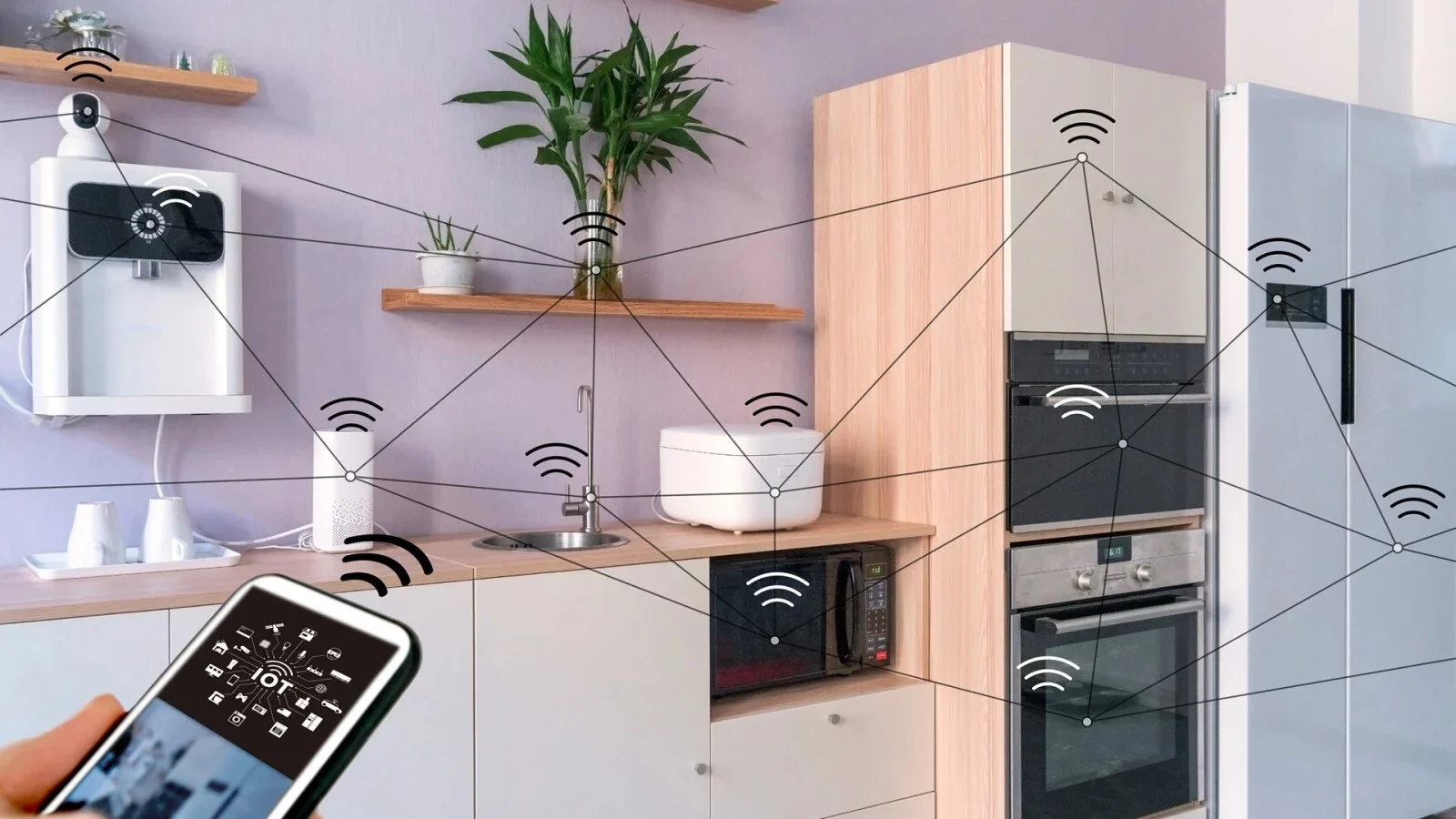


The smart home market spent its first decade producing a sprawling, fragmented ecosystem of devices that often could not speak to each other without brand-specific hubs, cloud dependencies, or elaborate workaround configurations. A Philips Hue bulb might work with Google Home but not Apple HomeKit. A Yale door lock might need a Samsung SmartThings hub. A Nest thermostat was, for years, effectively locked into Google’s ecosystem. The industry recognized this fragmentation as a structural obstacle to broader adoption, and in December 2019, an unprecedented coalition formed to fix it: Apple, Google, Amazon, and Samsung’s SmartThings division joined the Zigbee Alliance — subsequently renamed the Connectivity Standards Alliance — to develop a single, open, IP-based connectivity standard for the smart home. That standard is Matter, and by 2026 it has evolved from a launch promise into a genuinely functioning ecosystem with verifiable progress and remaining limitations.
What Matter Actually Does
Matter is the industry-standard smart home protocol that enables devices to work across Apple HomeKit, Google Home, Amazon Alexa, and Samsung SmartThings without platform-specific integrations or bridges. Matter operates locally over home Wi-Fi networks or Thread mesh networks, which means commands do not need to route through the cloud to work.
This local operation is one of Matter’s most practically important properties. Previous smart home setups depended on cloud servers maintained by device manufacturers — when a company’s cloud went offline, or when a company discontinued its product line, devices stopped working even though the hardware itself was still functional. Matter-based devices process commands on the home network, reducing this dependency, though cloud services may still be used for remote access and certain features.
The protocol uses Thread — a low-power, IP-based mesh networking technology — as one of its three connectivity transport layers, alongside Wi-Fi and Ethernet. Thread is particularly relevant for battery-powered devices like sensors and buttons, where power consumption matters.
The Current State of the Ecosystem
Matter has moved well beyond its initial launch state. Version 1.5 of the Matter specification was published on November 20, 2025. This major update added support for cameras, soil moisture sensors, and energy management features, and enhanced the Closures service to allow modular motion types for blinds, curtains, gates, and doors.
The ecosystem has grown from a handful of devices at launch to over 750 products listed in independent trackers as of early 2026, including lights, switches, locks, thermostats, sensors, smart plugs, and increasingly motorized shades and garage door controllers. Companies across the price spectrum have committed to Matter: IKEA has brought Matter-certified products to market for under $10, while professional building automation companies such as ABB (Busch-Jaeger), Warema, and Maco have joined the ecosystem, extending Matter’s reach into the commercial and professional installation market.
The four major platforms — Amazon Alexa, Apple HomeKit, Google Home, and Samsung SmartThings — all support Matter. Platform support varies by device type and feature, however, so checking each ecosystem’s current Matter compatibility list before purchasing devices remains advisable. Apple Home offers strong privacy and reliable local control. Google Home provides extensive Android integration. Amazon Alexa delivers robust voice control. Samsung SmartThings excels at automation and multi-protocol support.
The Gap Between Specification and Reality
Progress on the specification has outpaced the actual deployment of devices certified to the most recent versions. Many platform ecosystems are still operating at the Matter 1.2 or 1.3 specification level. Amazon claims to support the Matter 1.4 SDK but offers only a selection of its features. The Thread 1.4 specification, which addresses earlier networking reliability issues, became mandatory for new border router certifications as of January 1, 2026, but existing installed hardware continues running older versions.
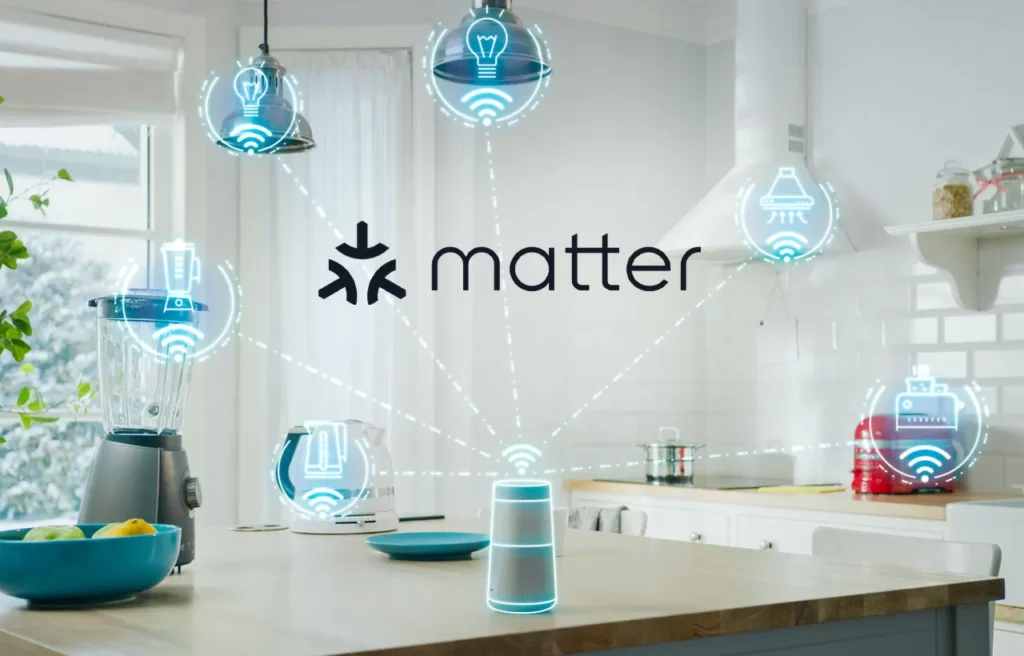
Matter 1.5 added specifications for cameras, soil sensors, and advanced energy management, but actual certified products implementing these features are still rolling out slowly. In practice, the multi-admin capability — Matter’s signature feature allowing one device to be simultaneously controlled by multiple ecosystems — works well for some devices but inconsistently for others.
For consumers, the practical guidance that emerges from the current state of the ecosystem is to verify that a specific device is actually Matter-certified before purchasing it, not merely marketed as “Matter-compatible,” and to check independent reviews for real-world cross-platform performance rather than relying solely on specification claims. Devices designed natively for Matter from the ground up perform more reliably than older devices that received Matter support through firmware updates.
What Comes Next
The 2026 Matter roadmap includes universal Matter Bridge products launching in spring 2026 that will integrate legacy appliances — including air conditioners and televisions — into Matter ecosystems through infrared and RF signal support, covering approximately 98% of household appliance brands. Additional new device categories including smart dehumidifiers and ceiling fan upgrade kits are also planned.
The trajectory of Matter represents the smart home industry’s most credible attempt at solving a problem that has frustrated users and limited adoption since the first wave of connected devices arrived. Whether the standard achieves the seamless plug-and-play experience that its founding coalition envisioned depends on how consistently platform implementations keep pace with specification advances and on whether consumers choose certified devices over the cheaper but often less reliable alternatives that carry Matter branding without full compliance.