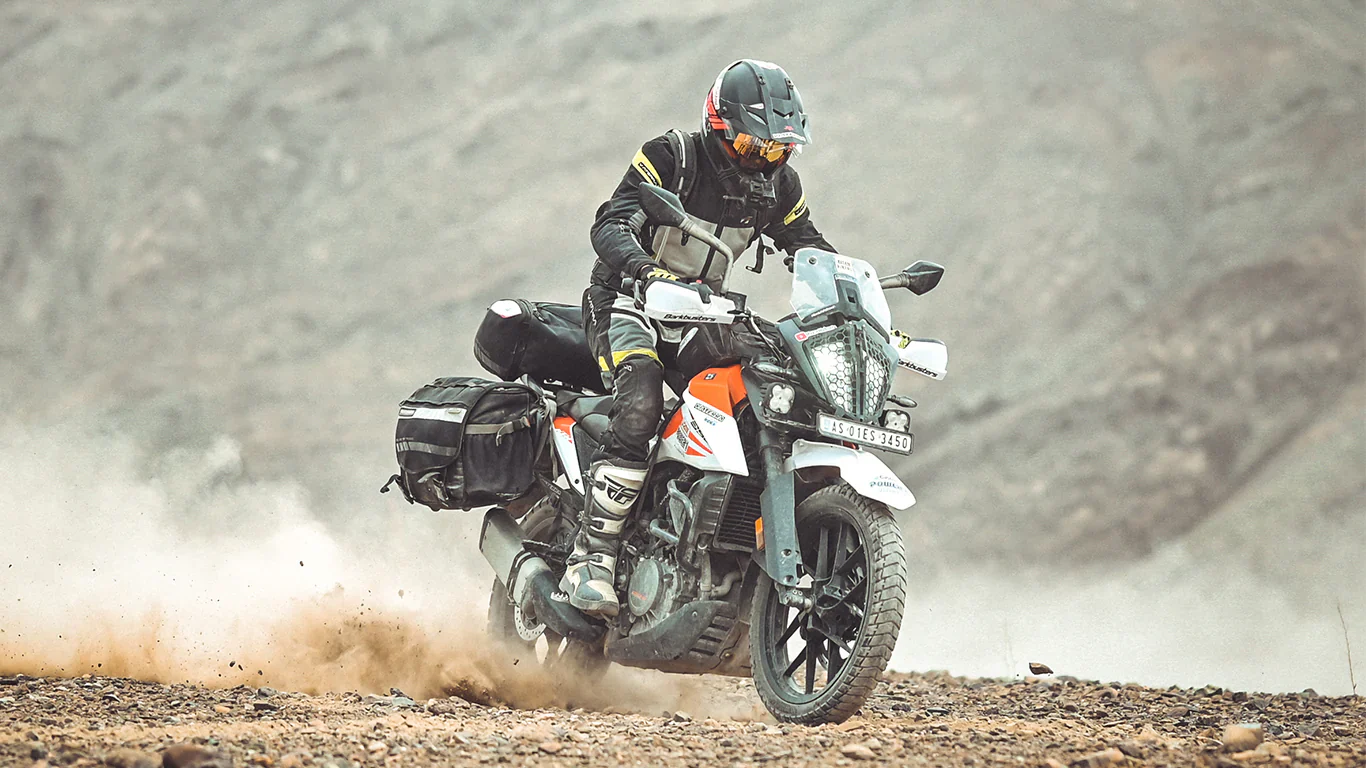


Every rider knows the helmet is non-negotiable. What separates a prepared long-distance tourer from an underprepared one is everything that comes after it. Long-distance motorcycle touring introduces a set of demands — sustained exposure to weather, fatigue accumulation across hundreds of miles, remote breakdown risk, and communication failures in areas with no cellular coverage — that recreational riding does not. The gear that manages those demands is not a collection of optional upgrades. It is a system, and each component in that system has documented safety standards, verified performance characteristics, and a specific function that cannot be adequately substituted.
This guide covers ten essential gear categories for long-distance touring, anchored in verified certification standards rather than brand preference.
1. The Helmet: Certification Is the Only Metric That Matters
The starting point for any gear conversation is the helmet, and the starting point for any helmet conversation is certification. Three major standards govern the global market, and their differences are consequential.
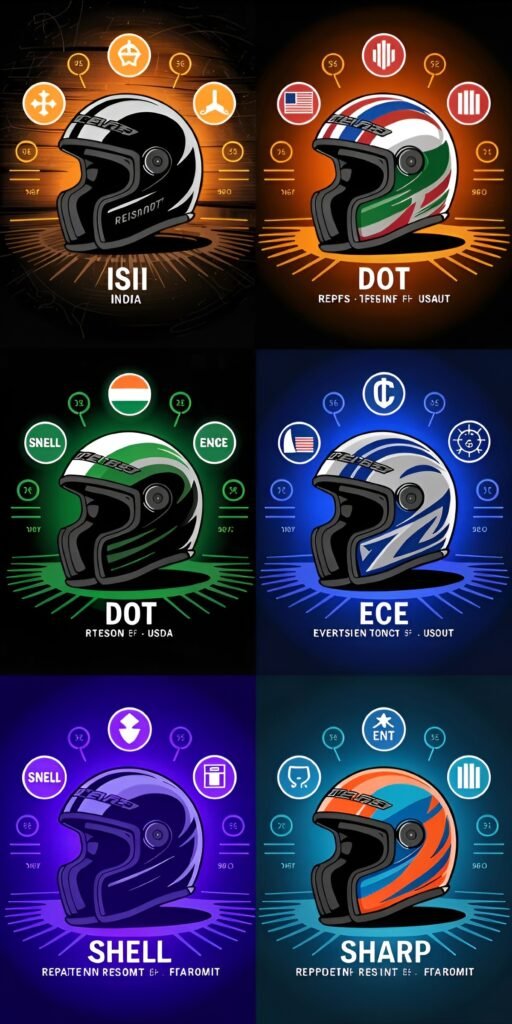
By law, riders in the U.S. must wear a DOT-certified helmet meeting Federal Motor Vehicle Safety Standard FMVSS 218. Most European countries require ECE 22.06 certification. Snell certification, operated by a non-profit foundation, is voluntary — neither the U.S. nor European countries require it for legal road use, but it represents the most demanding independent testing standard available.
ECE 22.06, officially enacted in January 2024, introduced oblique impact tests at a 45-degree angle to measure rotational force management — a dimension of head protection that the older ECE 22.05 standard did not evaluate. Under ECE 22.06, testers can randomly select from 18 different impact points on the helmet, compared to the six fixed points permitted under 22.05. The significance of random-point testing is structural: it eliminates the possibility of manufacturers reinforcing only the tested spots to pass a specific configuration.
The latest Snell standard, M2025, replaced M2020 on October 1, 2024. The U.S. does not accept ECE as a substitute for DOT, and DOT and Snell helmets are not approved for road use in Australia, which has its own standard.
Touring helmets should meet the latest ECE 22.06 safety standards at minimum. A Pinlock insert or anti-fog spray for the visor is recommended, as a clean, clear visor is essential for sustained riding visibility. For riders covering international routes, verifying which standard is legally required in each country of travel is not optional — it is a legal compliance check.
2. Riding Jacket and Pants: The CE Armor System Explained
A touring jacket and pants should offer multi-season versatility through removable thermal and waterproof liners, an abrasion-resistant outer shell in ballistic nylon or leather, and CE-certified armor at shoulders, elbows, back, hips, and knees. U.S. Travel Association Understanding what CE certification actually means at the armor level separates informed gear selection from marketing-driven purchasing.
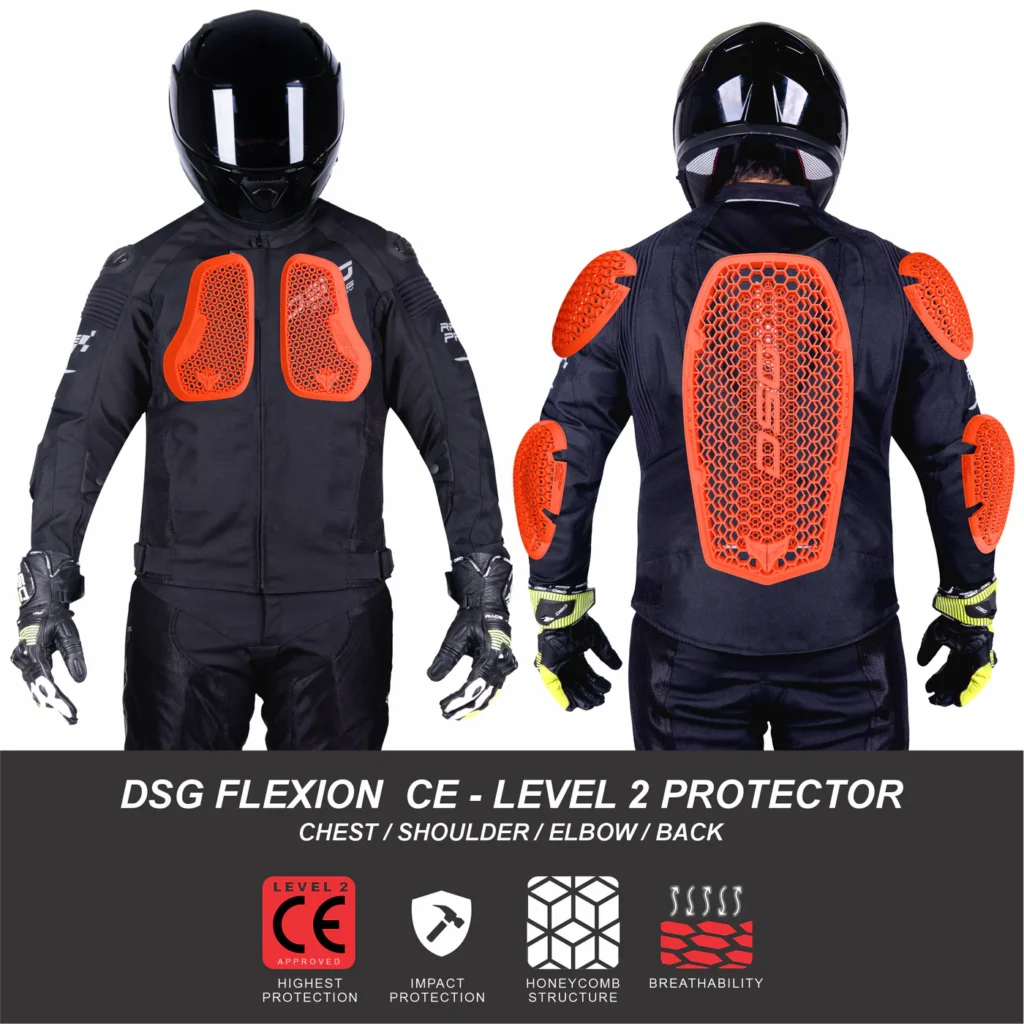
CE armor is governed by the EN 1621 standard series. EN 1621-1 covers limb protectors including shoulders, elbows, hips, and knees. EN 1621-2 pertains specifically to back protectors. EN 1621-3 covers chest protectors. Each category carries two performance levels. CE Level 1 armor must keep transmitted energy below a maximum average of 18 kN. CE Level 2 armor must not transmit more than an average of 9 kN — precisely half the Level 1 threshold.
Level 2 armor absorbs twice as much energy in an impact as Level 1. For long-distance touring — which involves higher speeds and extended exposure on unfamiliar roads — Level 2 armor at critical impact zones is a meaningful upgrade over Level 1. Back protection is the first priority: every modern motorcycle jacket includes a back protector pocket, but many jackets do not come with a back protector fitted as standard. Riders who discover their jacket lacks a back protector should treat that as the first upgrade to make, regardless of which armor level they ultimately choose.
3. Gloves: EN 13594 and the Knuckle Protection Distinction
Hands are among the most injury-prone body parts in a motorcycle incident — a natural protective reflex causes riders to extend their hands during a fall. Gloves with reinforced knuckles, waterproofing, and breathable fabrics are the benchmark for long-distance touring.
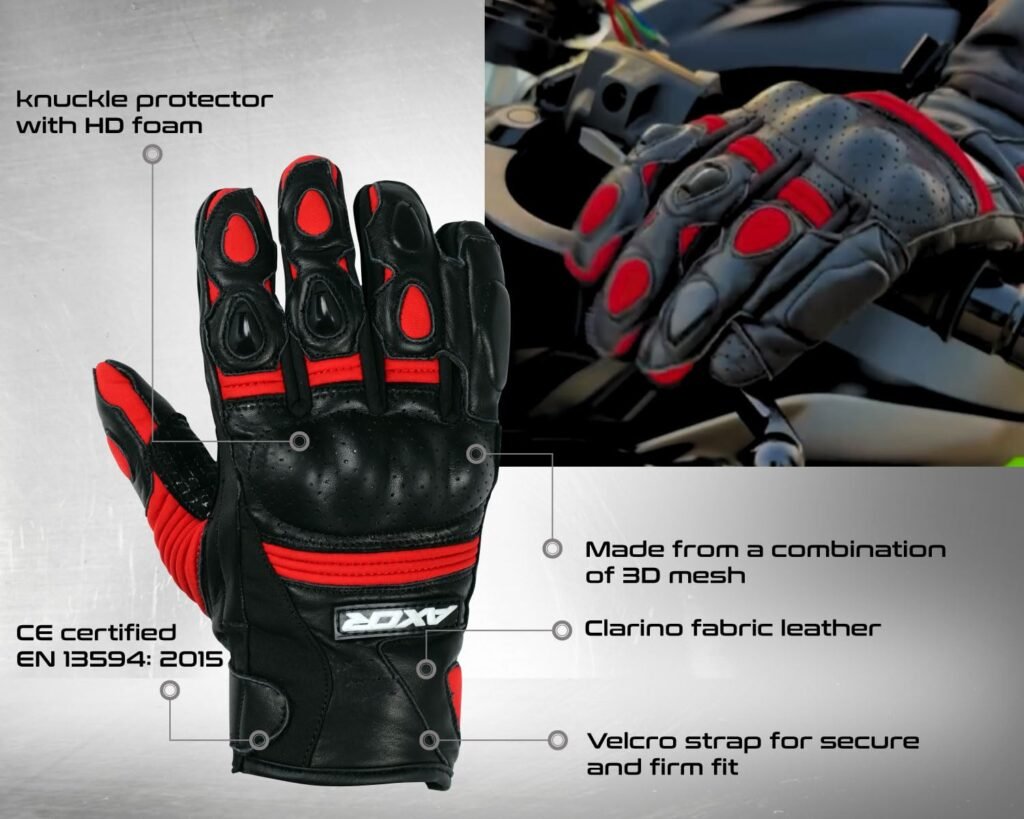
Motorcycle gloves are evaluated under the EN 13594:2015 standard, which tests abrasion resistance, seam strength, cut resistance, and impact protection. Like armor, gloves are rated Level 1 or Level 2 under this standard, with Level 2 providing enhanced protection including mandatory knuckle armor. For touring use, seasonal variation matters: summer gloves prioritize ventilation and grip, while winter gloves require insulation that maintains dexterity at highway speeds. The critical functional requirement is that gloves must fit well enough to allow precise throttle, brake, and clutch operation across hours of continuous riding.
4. Riding Boots: EN 13634 and the Four-Test Framework
Motorcycle boots are evaluated under the EN 13634 standard, which assesses four criteria: height — short at Level 1 or tall at Level 2; abrasion resistance; impact cut resistance; and transverse rigidity. Each category is rated on a scale of 1 to 2. A boot rated Level 2222 across all four criteria represents the highest available protection. For long-distance touring, ankle protection and transverse rigidity — resistance to crushing forces — carry particular relevance because gravel, uneven road surfaces, and low-speed tip-overs all load the ankle and foot in ways that standard footwear cannot manage.
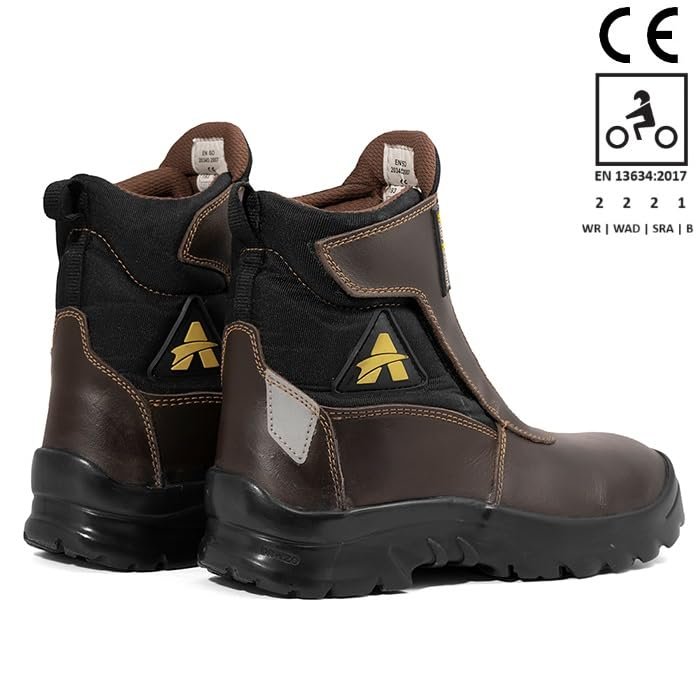
Boots should fit correctly under the gear lever when shifting up — an important functional test that many riders miss when purchasing. The gear lever position can be adjusted by loosening a pinch bolt if required. Waterproofing is a practical requirement rather than a premium feature for any touring route that spans multiple weather conditions.
5. Communication System: The Safety Infrastructure Most Riders Underinvest In
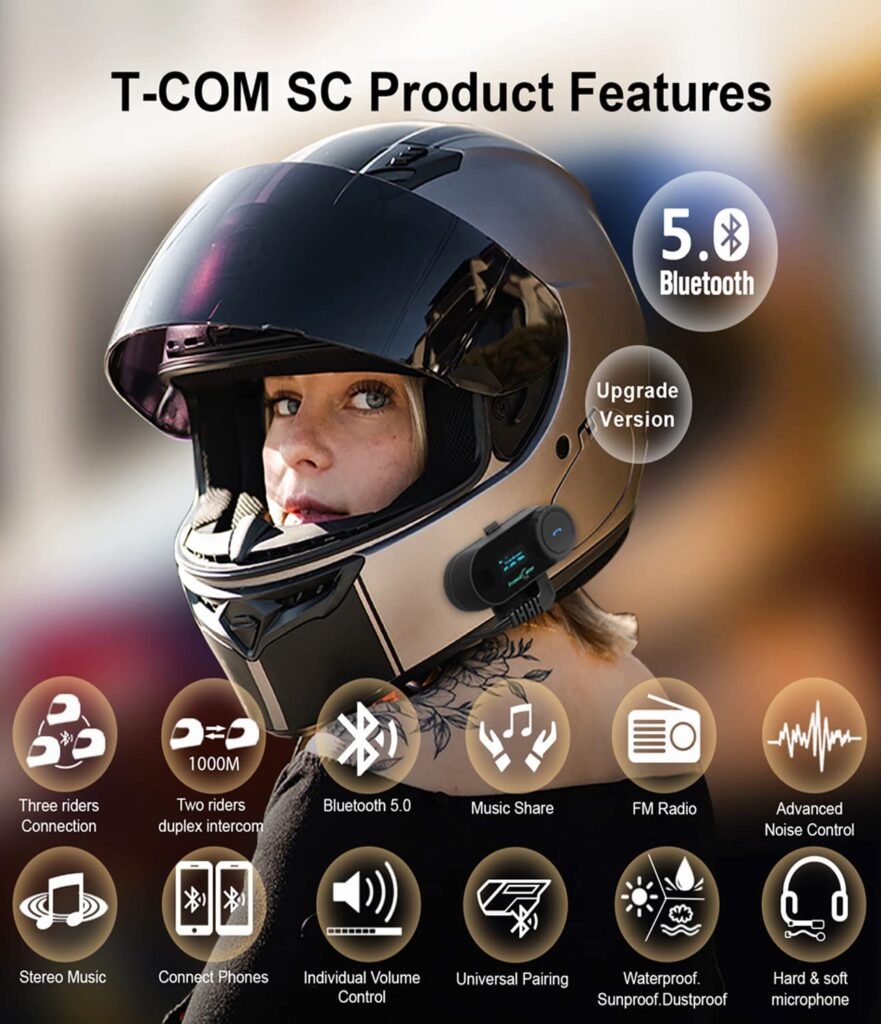
A Bluetooth communication system integrated into the helmet allows hands-free calling, turn-by-turn navigation instructions delivered by audio, and intercom communication with fellow riders — eliminating the need to look at a screen while moving. For solo tourers, the navigation audio function removes the distraction of repeatedly checking a mounted phone or GPS unit. For group riding, intercom communication at highway speeds enables real-time hazard communication that hand signals cannot replicate.
In areas with limited cellular coverage, satellite communicators or personal locator beacons provide emergency contact capability when conventional networks are unavailable. These devices allow a distressed rider to transmit their GPS coordinates to emergency services regardless of cellular infrastructure — a critical capability in remote touring areas where the nearest assistance may be hours away.
6. High-Visibility and Auxiliary Lighting: The Conspicuity Imperative
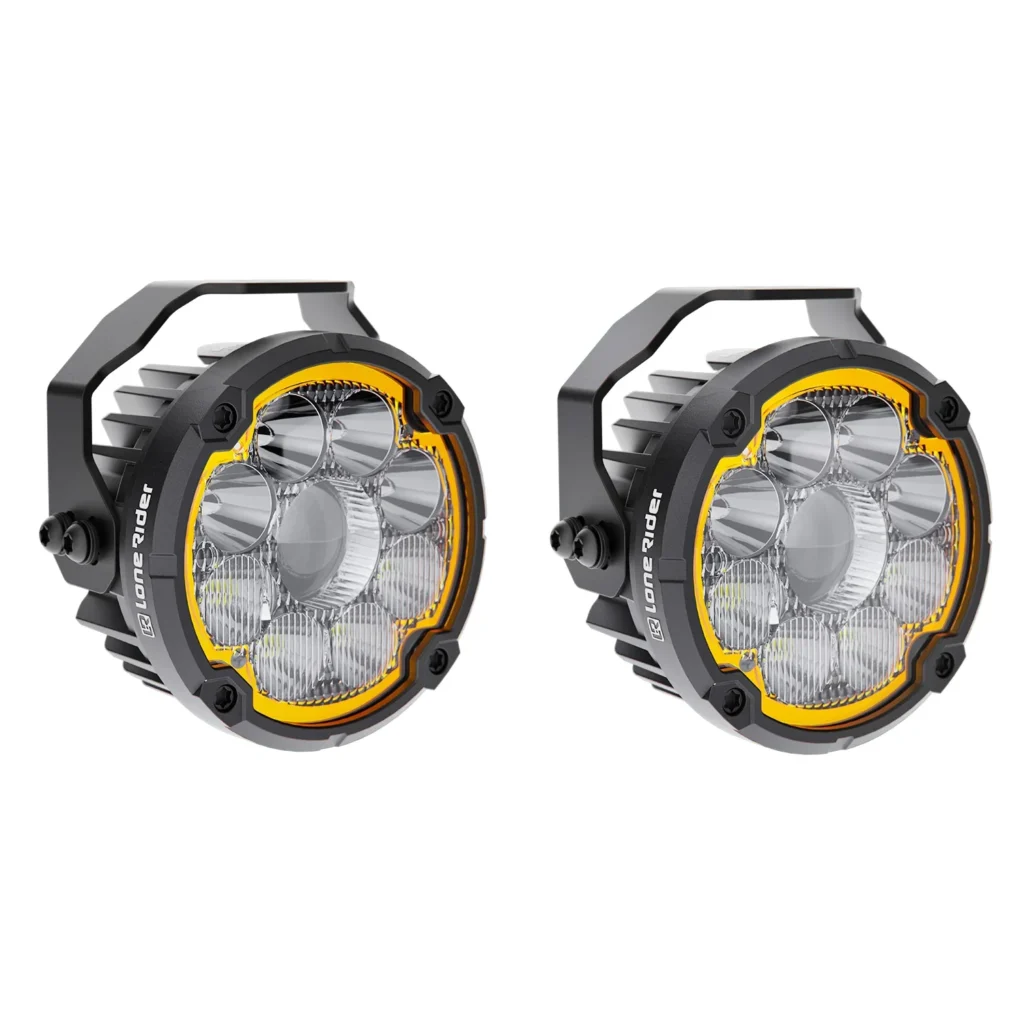
Being seen by other road users is a documented risk factor in motorcycle safety. Reflective vests or high-visibility bands significantly increase rider visibility in low-light conditions, while LED auxiliary lights help other drivers notice the motorcycle more easily at night or in poor weather. Long-distance touring involves riding through dawn, dusk, and night in conditions where a rider’s conspicuity to other road users is substantially reduced relative to daylight.
A tire pressure monitoring system, known as TPMS, is a smart investment for touring, alerting the rider to sudden pressure drops that could lead to dangerous blowouts before the effect is felt through the handlebars. Tire pressure loss at highway speeds gives riders significantly less reaction time than at urban speeds, and the cost of a TPMS sensor is negligible relative to the cost of a high-speed blowout incident.
7. Luggage System: Hardcase vs. Soft — and Why the Mounting System Matters More
When traveling long distances, the motorcycle is subjected to a variety of adverse and extreme weather conditions. The luggage system must manage both weatherproofing and mounting security across those conditions — a soft bag that comes loose at highway speed creates a direct hazard both for the rider and for following traffic.
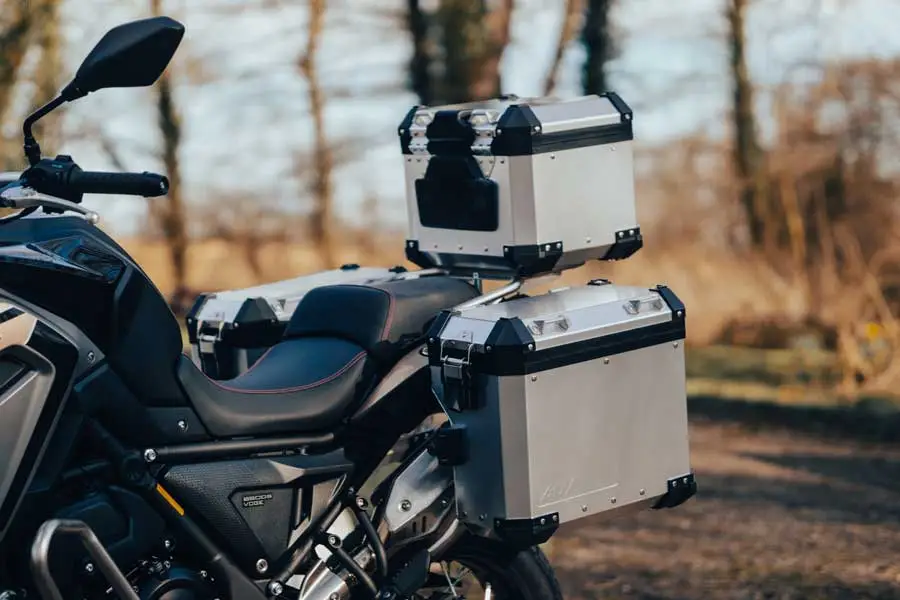
ROK straps — loop-ended elastic straps designed to secure items to a bike without scratching paintwork — have been tested by Motorcycle News across 2,500 miles and found to maintain security reliably for standard luggage loads. Hard panniers offer superior weatherproofing and security against opportunistic theft when the bike is left unattended. Soft bags offer greater capacity flexibility and lower weight. Hybrid systems — hard panniers for tools and valuables, a soft top bag for clothing and daily-access items — represent the most functional approach for multi-day touring.
8. Navigation: GPS, Offline Maps, and the Paper Backup
A GPS system or smartphone with offline maps is essential navigation infrastructure. Paper maps of the region should be carried as a reliable backup for emergencies — always pulling over safely before consulting them. The paper map recommendation is not an anachronism. A GPS unit with a dead battery, a phone screen that becomes unreadable in direct sunlight, or an electronic system damaged by rain represents a navigation failure in the same moment that a physical map remains fully functional.
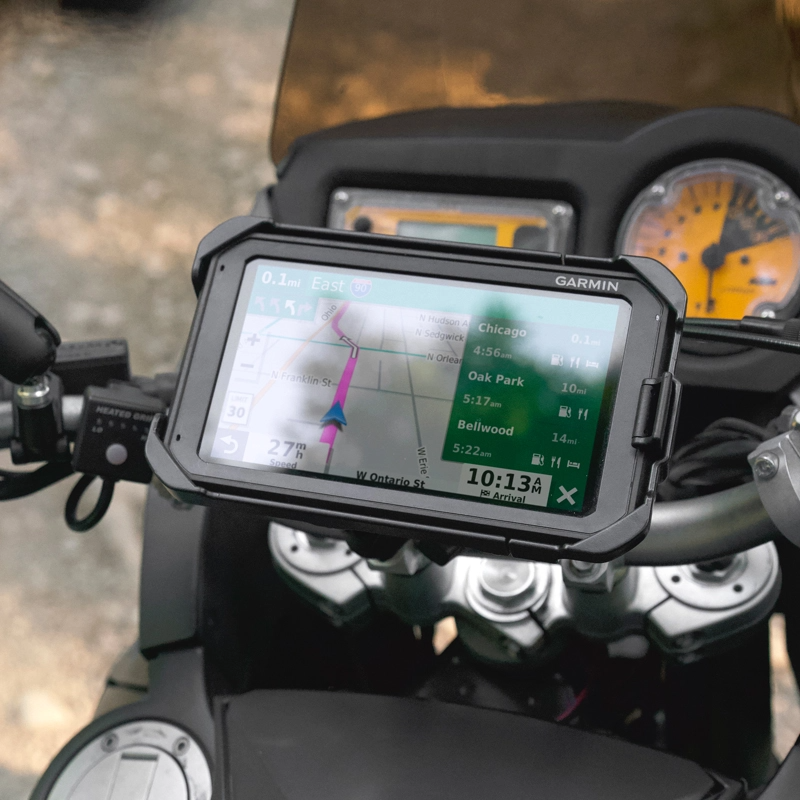
For international touring, offline map downloads for every country on the itinerary should be completed before departure. Cellular coverage in remote touring areas is frequently insufficient for real-time map data, and the cost of international data roaming makes continuous online navigation economically impractical.
9. Tool Kit and Tire Repair Equipment
A compact and lightweight multi-tool kit is essential because there will not always be an auto repair station on the road. A suitable multi-tool kit not only saves on repair costs but gets the rider back on schedule without waiting for roadside assistance that may not exist in remote areas.
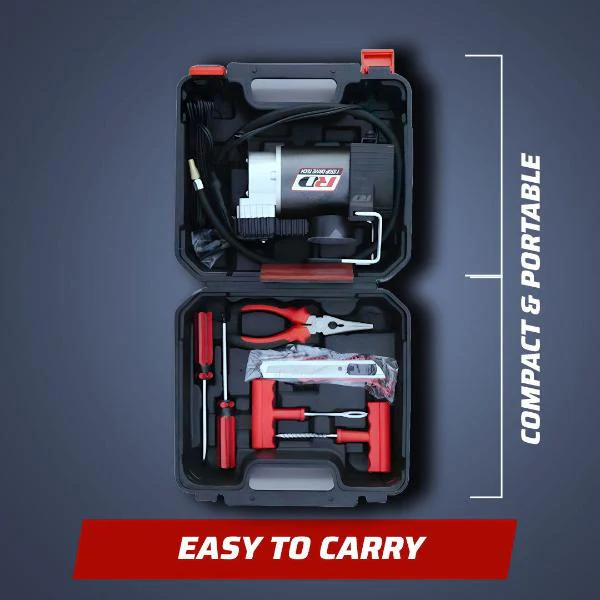
A basic tool kit, tire repair kit, and portable air compressor are must-haves for long-distance touring. Spare parts including bulbs, fuses, and spark plugs address the most common electrical failures that cannot be repaired without the correct replacement component. A tire plug kit and CO₂ inflators — or a compact electric pump — allow a rider to manage a puncture on the road rather than waiting for a tow in an area where recovery services may take hours to arrive. The weight penalty of a basic tool kit is marginal. The value when needed is absolute.
10. First Aid Kit and Emergency Documentation
The final layer of a complete touring kit addresses the period between an incident and the arrival of professional medical assistance. Regularly updating family or friends about location adds an essential layer of security. Carrying a fully charged power bank, spare battery, or portable solar charger keeps communication devices operational across long days.
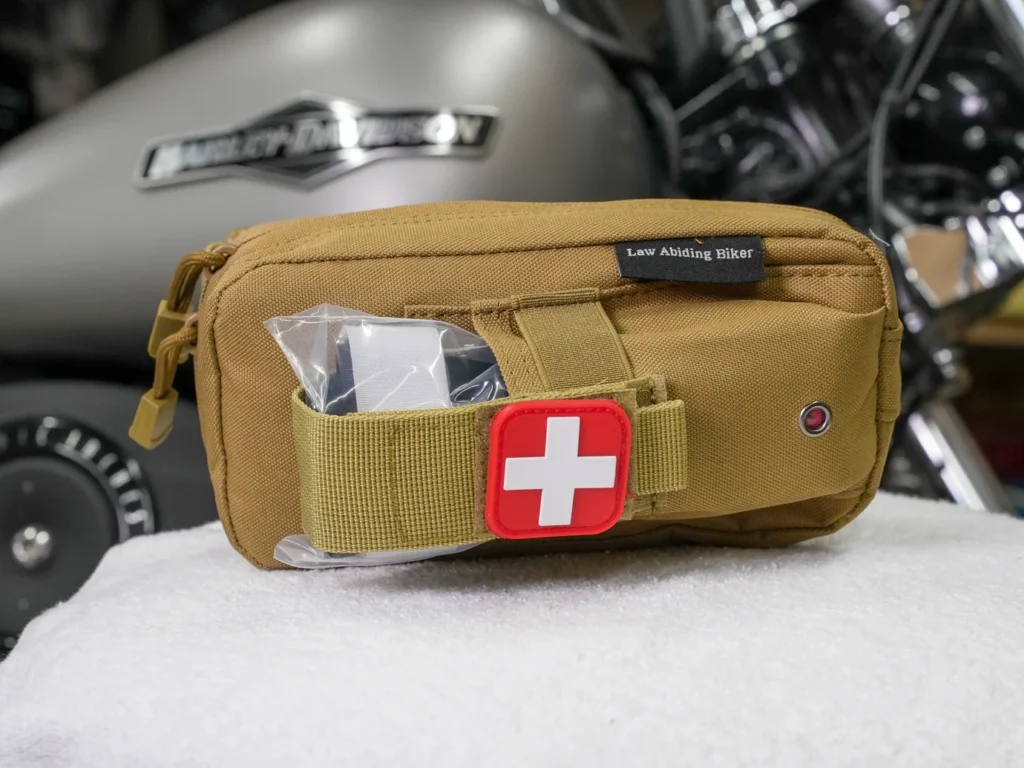
A compact first aid kit appropriate for trauma — including wound dressings, a tourniquet, and a thermal emergency blanket — addresses the most critical gap between a remote incident and the arrival of emergency services. Medical identification, blood type, emergency contact information, and insurance documentation should travel with the rider in a format accessible to first responders without requiring device access. For international touring, copies of the passport, insurance certificates, and roadside assistance contacts for each country on the itinerary complete the documentation layer that converts a medical or mechanical emergency from a crisis into a manageable problem.
The System, Not the Individual Piece
No single piece of gear functions in isolation on a long-distance tour. A helmet certified to the highest standard provides no spinal protection if the jacket carries no back protector. A communication system is useless if the power bank is dead. A tire repair kit cannot be used in the dark without auxiliary lighting. The ten categories above form a functional system — and the value of that system is determined by its weakest component rather than its strongest.