


The single most consequential decision a traveler makes after choosing a destination is when to go. The same location can deliver an extraordinary experience or a deeply compromised one depending entirely on the month of arrival. Monsoon rains can strand visitors in flooded roads. Peak-season crowds can transform a UNESCO World Heritage site into a theme park queue. A misaligned safari booking can mean empty plains where wildlife concentrations were expected. Understanding the seasonal architecture of global travel is not a supplementary planning step — it is the foundation of everything else.
What follows is a verified, region-by-region seasonal guide covering six major global destinations: Europe, Southeast Asia, East Africa, South America’s Patagonia, South Asia, and the broader Southern Hemisphere. The framework is consistent throughout: confirmed weather patterns, documented peak and shoulder season dynamics, and the trade-offs that come with each timing choice.
Europe: The Shoulder Season Advantage Is Real — With Important Regional Exceptions
Europe is the world’s most visited travel region and, as a result, the one where seasonal timing most directly determines the quality of experience. For most travelers, the best time to visit Europe is May to June or September. These months hit the sweet spot: comfortable weather, long-enough daylight, and fewer peak-season crowds compared to July and August.

The summer months of July and August represent peak season at full intensity. Summer offers the warmest temperatures, but can be uncomfortably hot in southern regions. Accommodation prices can increase by 50 to 100% compared to shoulder seasons, and popular attractions often require advance booking. Going Climate change has compounded this: heatwaves have become more frequent and persistent across Europe, with even cities in typically cooler climates like Munich and Amsterdam now regularly experiencing high summer temperatures.
Autumn is increasingly cited by experienced travelers as Europe’s strongest overall season. Autumn arguably offers the best time to visit Europe for travelers seeking the perfect balance of pleasant weather, manageable crowds, and reasonable prices, combining summer’s warmth with winter’s intimacy and creating ideal conditions for cultural exploration and outdoor activities.
One important caveat applies specifically to the Mediterranean region. Shoulder season in Mediterranean Europe — France, Spain, Italy, Croatia, and Greece — can actually be busier and more expensive than summer, because the weather is more temperate. Travelers should not assume fewer crowds and better prices in these countries during shoulder months.
Winter carries specific advantages that most travelers overlook. Winter months and shoulder seasons offer the lowest accommodation rates and flight prices, with winter providing savings of up to 50% compared to peak summer rates. For travelers with cultural rather than beach-oriented priorities, off-season Europe offers step-right-up service and a more genuinely European atmosphere, with high culture — opera seasons, performing arts, museum exhibitions — in full operation. Northern destinations including Iceland and Scandinavia are best visited in winter for Northern Lights viewing, which requires darkness unavailable during summer’s near-continuous daylight.
Southeast Asia: Two Climate Zones, Not One — and the Distinction Changes Everything
Southeast Asia is among the most popular global travel destinations and among the most misunderstood in terms of seasonal planning. The fundamental error most first-time visitors make is treating the region as a single climate zone. It is not. There are two main rainy seasons in Southeast Asia and not all areas are affected at the same time. The monsoon season stretches from June to October in Thailand, Laos, Vietnam, Cambodia, Myanmar and the Philippines. In Malaysia, Indonesia, and Singapore, the season spans October to March.

This divergence is the most practically important fact in Southeast Asia travel planning. When it is monsoon season in Thailand and Cambodia, Indonesia and Bali are in the midst of dry season — ideal for surfing and hiking volcanoes. Malaysia’s East Coast islands, including the Perhentians and Redang, open for tourism from April to October, offering some of the clearest water for snorkeling in the region.
For mainland Southeast Asia — Thailand, Vietnam, Cambodia, and Laos — the consensus across multiple climate sources is consistent. The best time to travel to mainland Southeast Asia is between November and February, when the weather is not too hot, the conditions are dry, and temperatures range from 68 to 86°F. These months are widely considered the best time of year to visit Southeast Asia, providing ideal conditions for sightseeing and outdoor activities.
The monsoon season, however, deserves more nuanced treatment than blanket avoidance. Contrary to common belief, the wet season does not mean constant rain for weeks on end. The rain tends to fall predictably for a few hours at a time, leaving the rest of the day bright and fresh. The rainy season is generally cheaper, there are fewer tourists, and visitors still experience hours of quality weather each day. Travelers specifically visiting Angkor Wat in Cambodia, for instance, may find the monsoon-season landscape dramatically more photogenic than the dry-season equivalent — with lush green rice fields replacing brown, parched surroundings.
East Africa: Timing Determines Whether You See the Migration or Empty Plains
Africa’s safari circuit operates on seasonal logic more demanding than almost any other travel region in the world, because the primary attraction — wildlife — concentrates, disperses, and migrates on a fixed annual schedule that no amount of planning can alter.
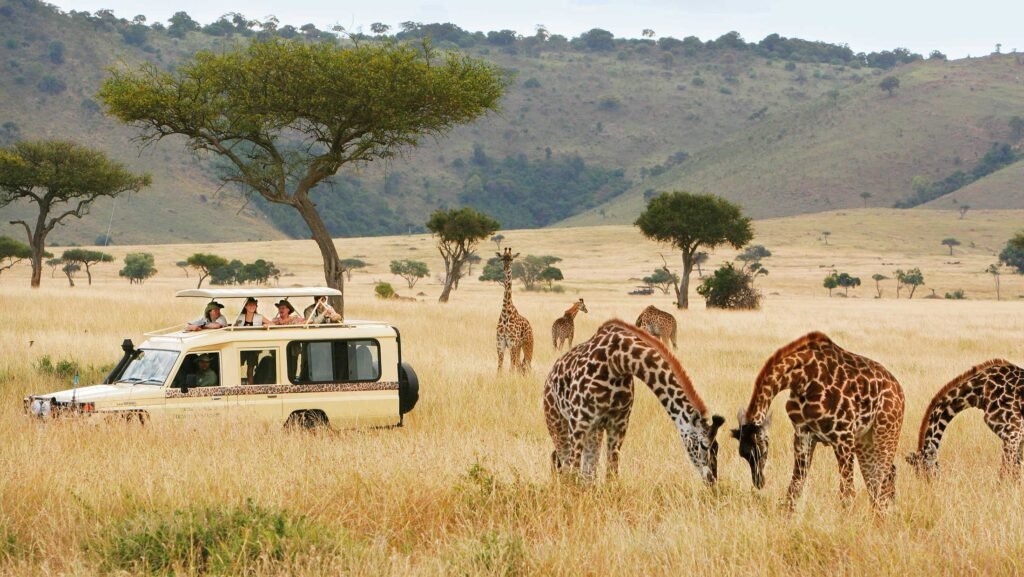
The best time to visit Africa generally falls during the dry season months from May to October, when animals gather at waterholes and visibility is at its best. During the dry season, vegetation is sparse, water is limited, and wildlife viewing is concentrated and predictable. Medium
Regional variation within East and Southern Africa requires destination-level specificity. June is a standout month for safaris across southern and eastern Africa — dry weather causes foliage to thin out and water sources to dry up, making animals easier to spot. This is also the beginning of the peak season for gorilla trekking in Rwanda and Uganda.
For travelers targeting the Great Migration — one of the most dramatic wildlife events on the planet, in which approximately 1.5 million wildebeest move between Tanzania’s Serengeti and Kenya’s Maasai Mara — timing is decisive. The crossing of the Mara River, which represents the migration’s most dramatic phase, typically occurs between July and October, though exact timing varies year to year based on rainfall patterns.
The green season, running from November to April, carries its own distinct value. The green season offers its own magic — landscapes turn lush, skies are dramatic, and birdlife flourishes with the arrival of migratory species. May and November are often overlooked shoulder-season months that bring outstanding value for money alongside great wildlife visibility. Medium February specifically represents calving season in the Serengeti, making it one of the best months to visit Tanzania for travelers whose priority is witnessing newborn wildlife activity.
South America — Patagonia: The Southern Hemisphere Inversion and the Wind Variable
Patagonia presents a planning challenge unique among major travel destinations: its seasons run opposite to the Northern Hemisphere, its weather is famously and genuinely unpredictable at any time of year, and its peak season carries a wind variable that is not mentioned prominently enough in most planning guides.
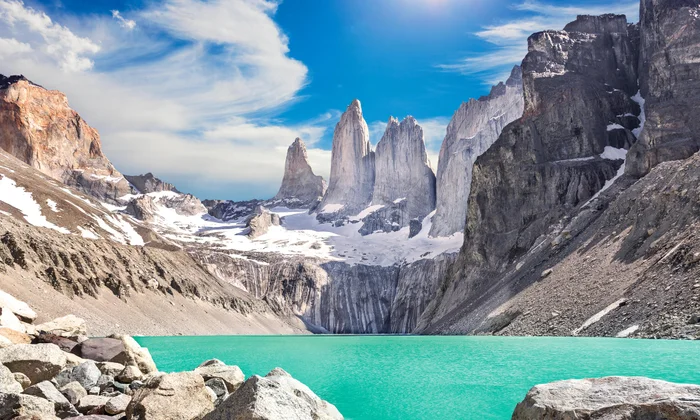
The best time to visit Patagonia is between November and March, with peak season falling in December and January, when the region experiences its warmest temperatures, the longest daylight hours, and the most reliable conditions for hiking, glacier excursions, and outdoor exploration. However, summer is also the time of year when Patagonia’s infamous winds are at their strongest, reaching over 120 miles per hour in the most extreme events. For hikers planning multi-day treks in Torres del Paine or Los Glaciares, this wind factor is a practical consideration that affects trail safety and physical comfort in ways temperature figures alone do not capture.
The best shoulder season in Patagonia is March and April, which bring quieter trails, softer light for photography, and forests turning shades of red and gold. April specifically is when Patagonia slows down after summer crowds, landscapes glow with autumn colors, and the region feels more intimate and peaceful. Multiple Patagonia operators consistently identify autumn as the strongest balance of conditions, access, and value — a recommendation supported by the region’s own color palette, which produces some of its most photographed landscapes as deciduous trees turn.
Most visitors to Patagonia travel during the long days of December and January, but the spring flowers and autumn colors of the shoulder seasons are equally attractive, with thinner crowds.
South Asia — India: Seven Climates in One Country
For the vast majority of India, the best time to travel is during the dry season between November and March. Delhi, Agra, Varanasi, Rajasthan and Madhya Pradesh are at their best during this period. The monsoon, which arrives from the southwest typically in June and retreats by October, renders many popular destinations uncomfortable or inaccessible due to flooding, humidity, and disrupted transport.
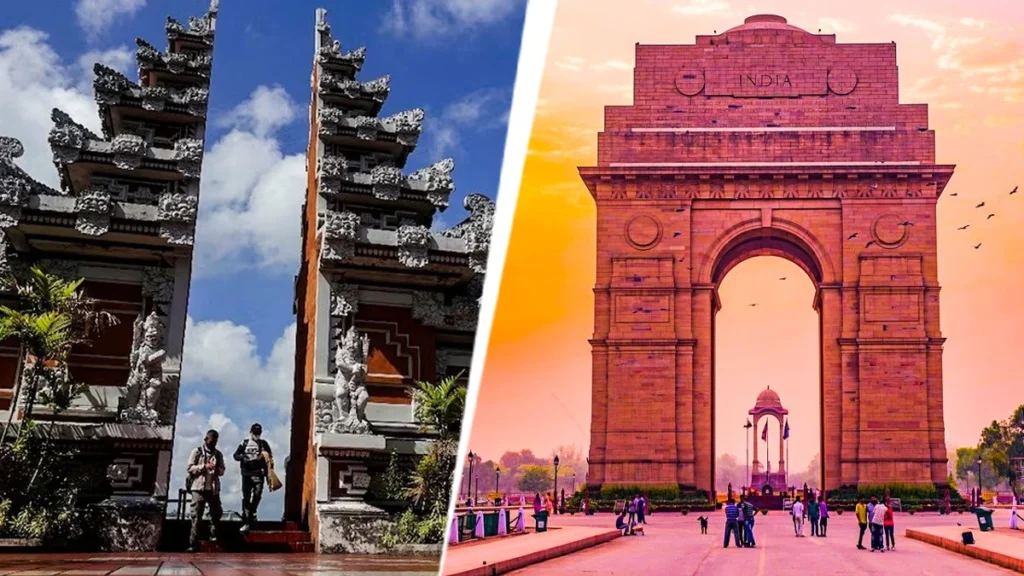
Regional variation within India is significant enough to constitute separate seasonal planning by itinerary. The best time to travel to Tamil Nadu and Kerala is between January and March, while the Himalayas are best visited in summer, especially August and September, when mountain passes are clear of snow and accessible for trekking. The practical implication for multi-region India itineraries is that a single national travel window does not exist — planning must account for the specific climate zones each destination falls within.
The Framework That Applies Everywhere
Key factors in timing any trip include weather and climate patterns, tourist seasons and crowd levels, local festivals and events, accommodation and flight prices, business closures and holidays, and the availability of seasonal activities. For weather-dependent trips — Northern Lights viewing, wildlife migrations, high-altitude trekking — planning further in advance is essential because optimal windows are narrow and fill quickly.
The underlying principle across all regions is consistent: high season brings busy crowds and high rates, while shoulder season — just before or after peak — offers a more authentic experience when there are fewer tourists and locals have more time to engage with visitors. The traveler who plans around this dynamic rather than defaulting to the most obvious travel period will, in most cases, encounter fewer people, pay less, and experience a destination closer to how it actually functions when it is not performing for visitors.
That calculation varies by region, destination type, and traveler priority. What does not vary is the consequence of ignoring it.