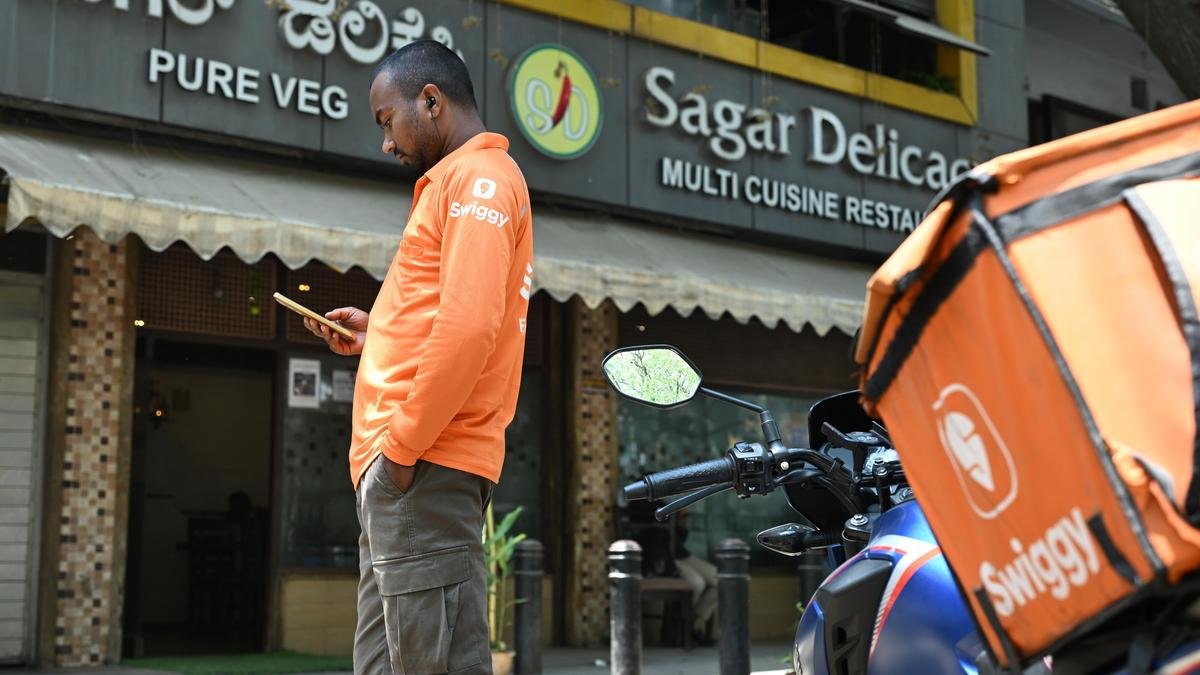


The shortage of commercial LPG cylinders triggered by the disruption to the Strait of Hormuz following the Iran-Israel conflict has produced a secondary social crisis: a severe contraction in food delivery orders that has pushed gig economy workers on platforms including Zomato, Swiggy, Ola, and Uber into acute financial distress, with the Gig and Platform Service Workers Union petitioning the Union Labour Minister for emergency relief, according to reporting by Uniindia, Outlook Business, and Verdict Foodservice.
The GIPSWU reported that the LPG shortage has forced the closure of restaurants, cloud kitchens, and street food vendors who depend on commercial cooking gas, resulting in a 50 to 60% drop in food delivery orders nationally, according to the union’s statement cited in Outlook Business. Individual delivery workers in New Delhi reported seeing their daily completed deliveries fall from approximately 30 orders to fewer than 10, while platform companies continued to issue warnings about ID deactivation for workers failing to meet performance targets, according to the research documents.
The Union’s Demands
The GIPSWU has submitted a formal petition to the Union Labour Minister seeking: immediate financial relief of ₹10,000 per affected worker; a three-month moratorium on ID deactivations across all platforms during the supply crisis; and full coverage of gig workers under the Code on Social Security, 2020, according to Outlook Business. The ministry’s response to the petition was not confirmed in the primary sources available for this article.
Karnataka’s Precedent
Karnataka notified the quantum of a gig workers’ welfare fee on February 13, 2026, establishing what is described as the first transaction-level welfare levy in India for platform workers, according to Indian Express. The fee ranges from ₹0.50 per two-wheeler ride or delivery transaction to ₹1.50 per heavy commercial vehicle logistics transaction, with proceeds directed into a dedicated Gig Workers Welfare Fund. At the national level, structural gaps persist including an eligibility rule that requires workers to have served a minimum number of days with an aggregator in the previous financial year before qualifying for benefits — a threshold many gig workers who switch platforms or work irregularly cannot meet, according to the research documents.