Emotional AI: Can Your Computer Tell If You Are Sad?
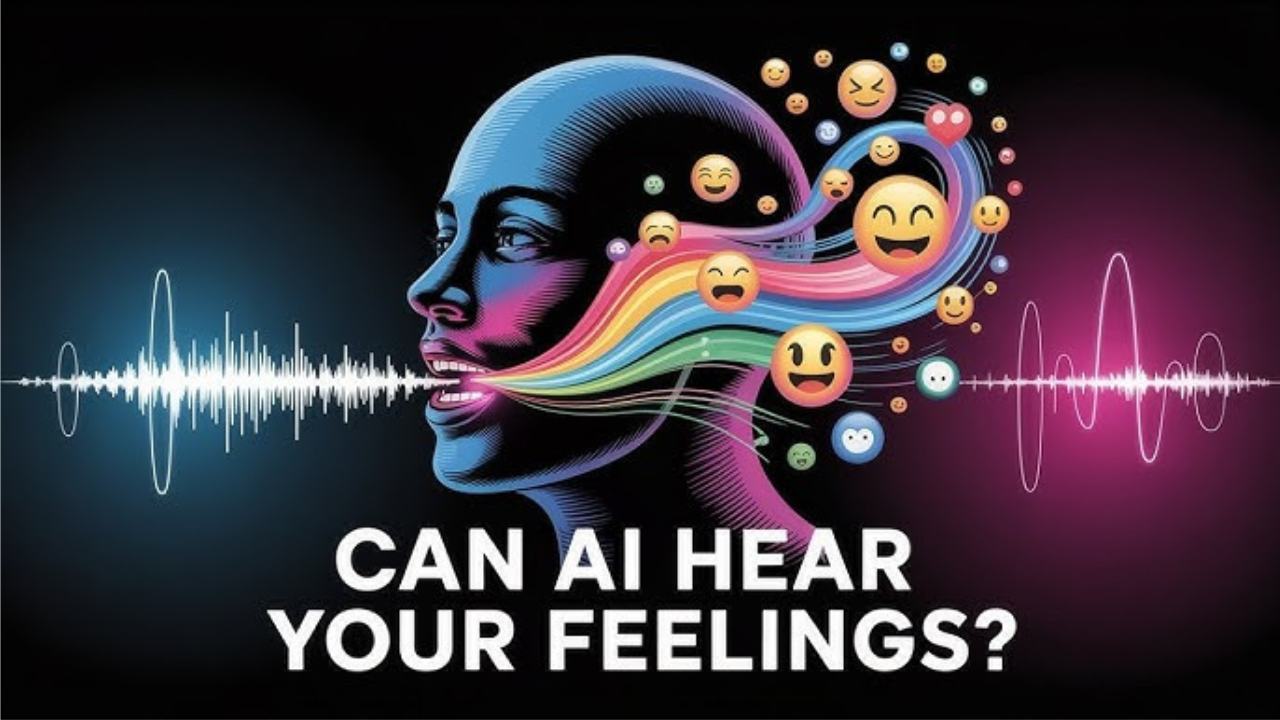
Emotional AI — systems designed to detect, interpret, and respond to human emotional states from facial expression, voice tone, physiological signals, or text — represents one of the most commercially active and ethically contested application areas of artificial intelligence in 2026. The question of whether a computer can tell if you are sad does not have a simple yes or no answer; it depends on what “tell” means, how the detection is implemented, and what the evidence shows about the reliability of current systems.
The technical foundation of emotional AI is affect recognition — using machine learning to classify observable signals into emotional categories. Facial Action Coding System (FACS)-based systems analyze the movement of facial muscles in video footage to infer emotional states. Voice affect analysis systems use acoustic features — pitch variation, speech rate, energy levels — to classify the emotional content of spoken audio. Physiological sensing systems analyze heart rate variability, skin conductance, and other autonomic signals through wearable sensors. Natural language processing systems infer emotional states from the content and sentiment of written text.
These techniques produce results that are statistically correlated with self-reported emotional states in controlled laboratory settings — the systems can detect, at above-random accuracy, whether a person is in a broadly positive or negative emotional state, and in some studies can distinguish arousal states such as excitement versus calm. What the research consistently shows is that these systems are far less reliable in real-world conditions than in laboratory conditions, and that their accuracy varies substantially across individuals, cultural contexts, and demographic groups. Facial expression recognition systems trained predominantly on Western populations perform less accurately on individuals from different cultural backgrounds where emotional expression norms differ. The claim that a single emotional state can be reliably inferred from facial expression alone has been challenged by psychologist Lisa Feldman Barrett and others who argue that emotional expression is highly variable, context-dependent, and culturally shaped in ways that simple classification models do not capture.
The regulatory response has been appropriately skeptical. The EU AI Act classifies real-time emotion recognition in workplace and educational settings as a high-risk AI application subject to stringent requirements, and bans AI emotion recognition for inferring mental states of individuals in high-stakes contexts unless for specific medical or safety purposes with appropriate safeguards. Several US state laws have restricted emotion recognition technology in hiring contexts. Illinois’ Artificial Intelligence Video Interview Act requires employers using AI to analyze video interviews — including emotional analysis — to disclose this practice to candidates and obtain their consent.
Consumer applications of emotional AI are more developed and less regulated. Spotify and similar music services use inferred mood — derived from listening patterns and explicit user inputs — to generate mood-appropriate playlists. Automotive systems from companies including Affectiva, now owned by Smart Eye, monitor driver facial expressions and eye movements to detect drowsiness and distraction, triggering alerts when dangerous states are detected. Therapeutic applications — chatbots designed to provide mental health support that adapt their responses based on detected emotional state — represent a growing and contested application area where the potential benefit of increased access to support must be balanced against the limitations of automated emotional inference and the risks of replacing human therapeutic relationships with AI systems.
The honest answer to whether your computer can tell if you are sad in 2026: it can detect with moderate reliability whether observable indicators — facial expression, voice tone, text sentiment — suggest a broadly negative emotional state, under conditions that allow clear observation and when calibrated for the individual. It cannot reliably identify specific emotions, it performs poorly across diverse cultural and demographic contexts, and its inferences should never be treated as ground truth about an individual’s internal emotional experience.