AI for Seniors: How Smart Tech Is Helping the Elderly Live Independently
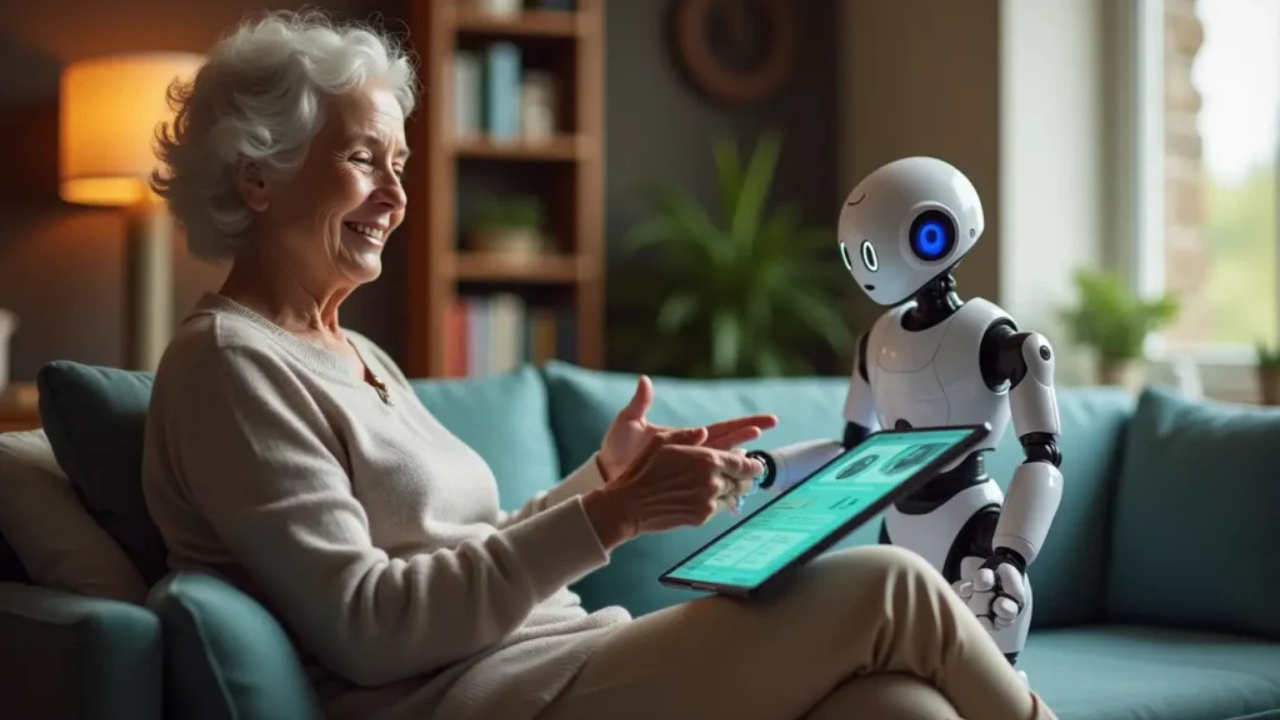
The application of AI to supporting elderly individuals living independently — at home rather than in assisted living or nursing care facilities — has become one of the more practically impactful and least publicly discussed deployment areas of the technology in 2026. The drivers are demographic: aging populations in India, Japan, Europe, and North America are creating demand for technology that can extend safe independent living while reducing the caregiver burden on families and healthcare systems.
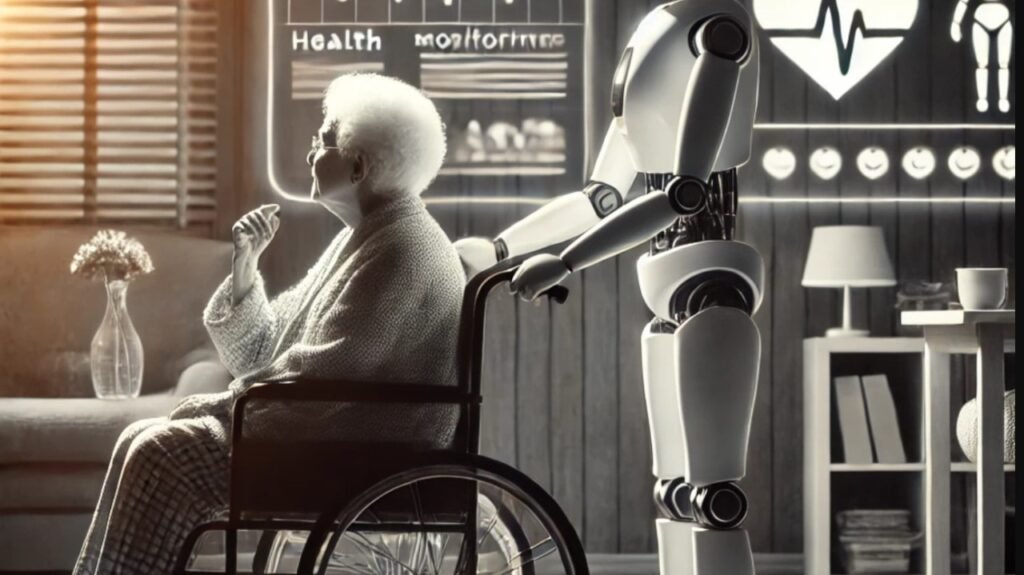
The most deployed category of AI for elderly users in 2026 is ambient monitoring — systems that passively track activity patterns in the home and alert family members or care providers when behavior deviates from established patterns that might indicate a health event. Falls detection is the clearest example. Apple Watch and similar wearables with fall detection automatically contact emergency services when a fall is detected and the wearer does not confirm they are unharmed within a defined time window. The feature is passive, requires no user action to activate, and has been documented in multiple verified cases to have dispatched emergency services to elderly users who had fallen and lost consciousness.
Passive monitoring extends beyond fall detection to include analysis of daily activity patterns — tracking movement between rooms, refrigerator usage, and sleep patterns through smart home sensors — to identify gradual changes that may indicate cognitive decline or health deterioration. Products from companies including Best Buy Health’s Lively service and Care Predict analyze these patterns and notify designated family contacts when established daily routines deviate significantly.
Medication management AI addresses one of the most common and serious risks for elderly people living alone: medication non-adherence and dosing errors. Smart pill dispensers with AI reminder systems — products from Hero Health and similar companies — track which medications have been dispensed and taken, send alerts to users and family members when doses are missed, and in some models interface with pharmacy systems to manage refills automatically.
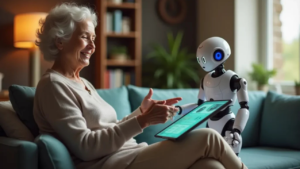
AI voice assistants — primarily Amazon Alexa and Google Assistant — have found their largest adoption among elderly users, who often prefer voice interaction over touchscreen navigation. The natural language interface reduces the technology barrier for users who did not grow up with smartphones. The most meaningful applications are reminder scheduling, emergency calling by voice command, video calling with family members, and access to information without navigating complex interfaces.
For India, the demographic context is significant: India’s elderly population exceeded 140 million in 2023 and is growing. The joint family structure that has traditionally provided elder care is under pressure from urbanization and geographic dispersion of adult children. Affordable AI monitoring and assistance technology — delivered through smartphones and low-cost smart speakers rather than expensive dedicated hardware — represents a realistic tool for extending family-supported care to elderly parents living in different cities.
The social and ethical dimensions of AI elder care require attention alongside the technical. Passive monitoring raises privacy questions about the extent to which elderly individuals’ daily lives should be monitored, even with consent from family members. The appropriate standard is informed, freely given consent from the individual being monitored, with clear understanding of what data is collected, who can access it, and the ability to revoke access. Technology that is imposed on elderly individuals without genuine consent, even with good intentions, violates the autonomy that the technology is nominally designed to protect.