AI Language Translation: Real-Time Earbuds That Break Language Barriers
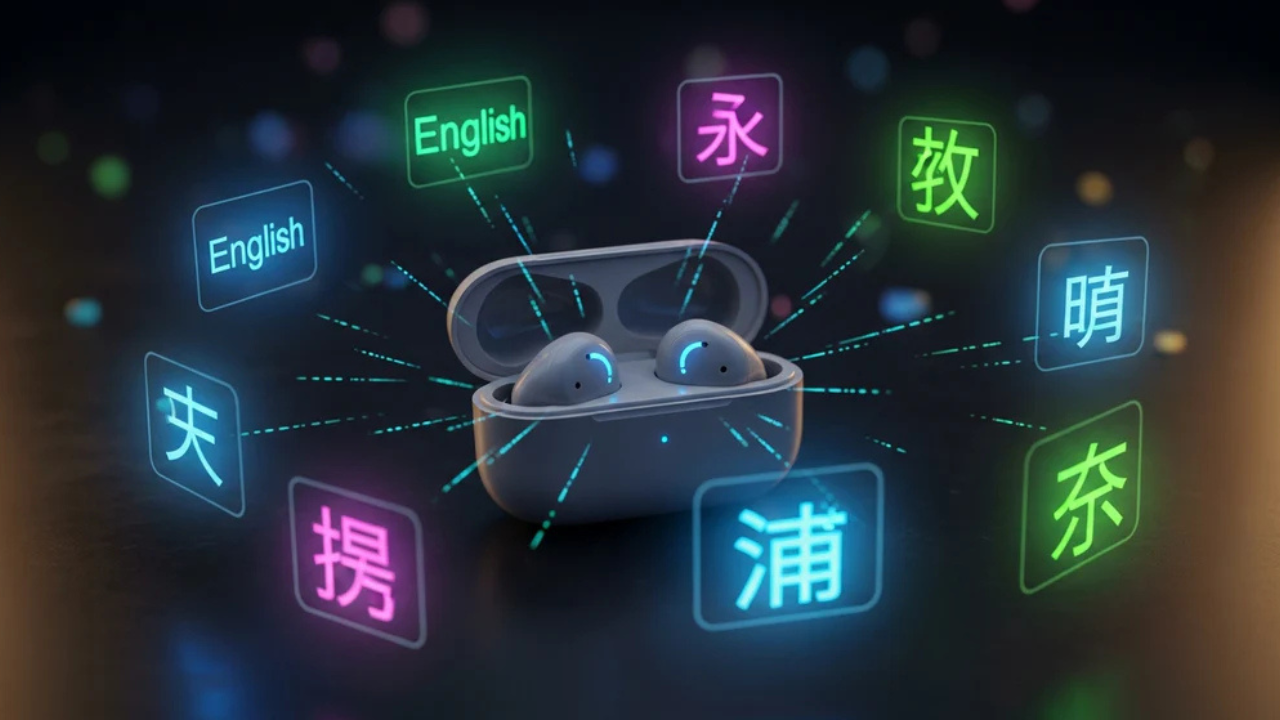
Real-time AI translation — the ability to understand speech in one language while hearing an AI-translated version in another, with low enough latency to enable natural conversation — has crossed from technological curiosity to practical consumer product in 2025 and 2026. The hardware that makes this most accessible is the wireless earbud, which provides the ideal form factor for private listening to translated audio in social and professional settings.
The leading products in this category are the Google Pixel Buds Pro with Pixel-native translation, the Timekettle WT2 Edge, and AI earbuds with real-time translation from several Chinese manufacturers including Huawei. Google’s approach integrates with Google Translate’s neural machine translation infrastructure directly from the Pixel ecosystem — when paired with a Pixel phone, the Pixel Buds can provide low-latency translation of real-world conversation detected by the microphone, delivering the translated audio through the earbuds in near-real time.
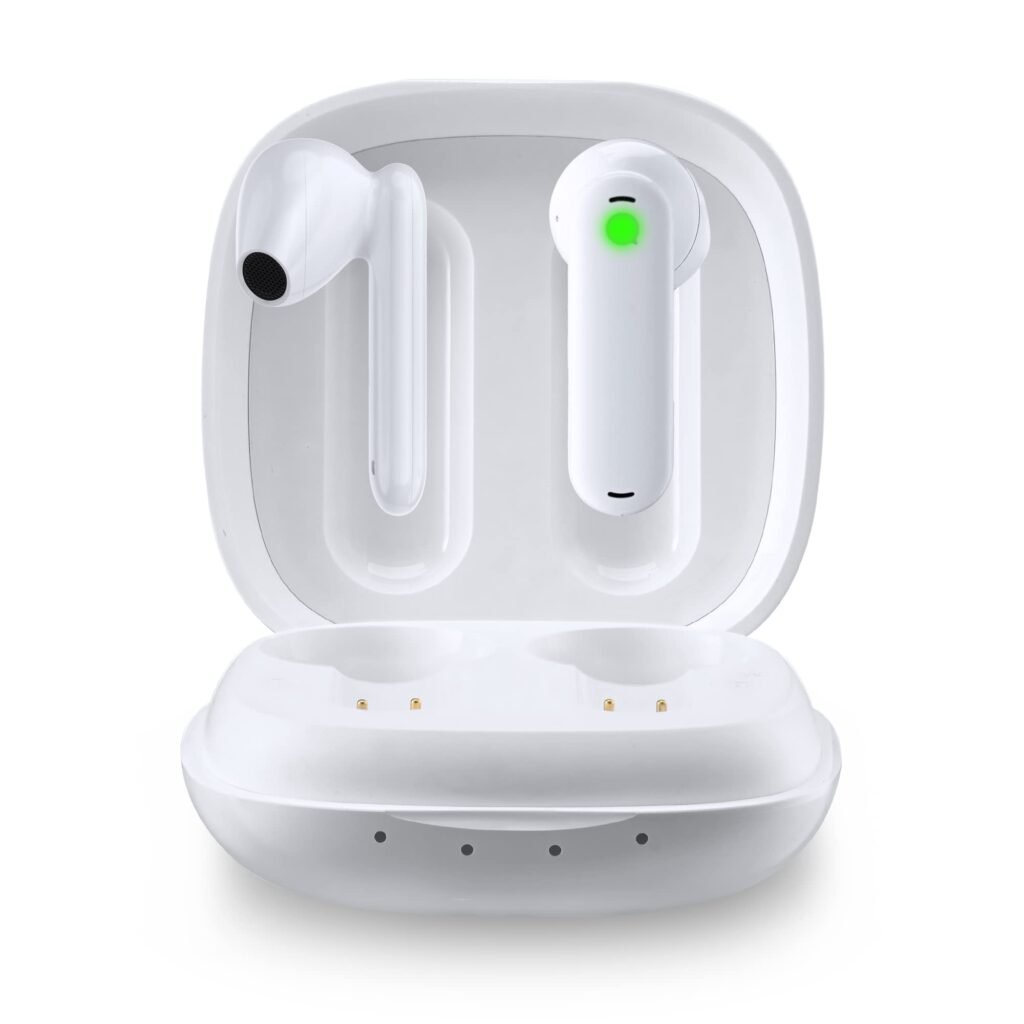
The Timekettle WT2 Edge is the most purpose-built translation earbud on the market, offering 40 language pairs, a claimed latency of 0.3 to 0.5 seconds, and an offline mode for 13 common language pairs that functions without internet connectivity. The offline capability is particularly valuable for travel contexts where cellular or Wi-Fi connectivity is unavailable or expensive.
The quality of AI translation in 2026 has reached a level that enables functional communication across most common conversational contexts: travel, basic business interaction, restaurant and retail settings, and simple interpersonal exchange. The limitations that remain are meaningful for high-stakes contexts: legal or medical conversations where precise terminology is critical, highly idiomatic or culturally specific language, heavy accents, multiple simultaneous speakers, and technical domains where specialized vocabulary is essential. For court proceedings, contract negotiation, and medical consultations, human interpreters remain the appropriate standard.
For India’s multilingual context — a country with 22 scheduled languages and hundreds of additional regional varieties — real-time AI translation has particularly significant implications. Google Translate supports all major Indian languages, and its integration with Pixel hardware and Android generally provides a level of multilingual communication capability that was unavailable at consumer price points even five years ago. The technology is not yet equally reliable across all Indian language pairs; translation quality for Hindi, Tamil, Telugu, and Kannada is substantially higher than for less-resourced languages with smaller digital training corpora.