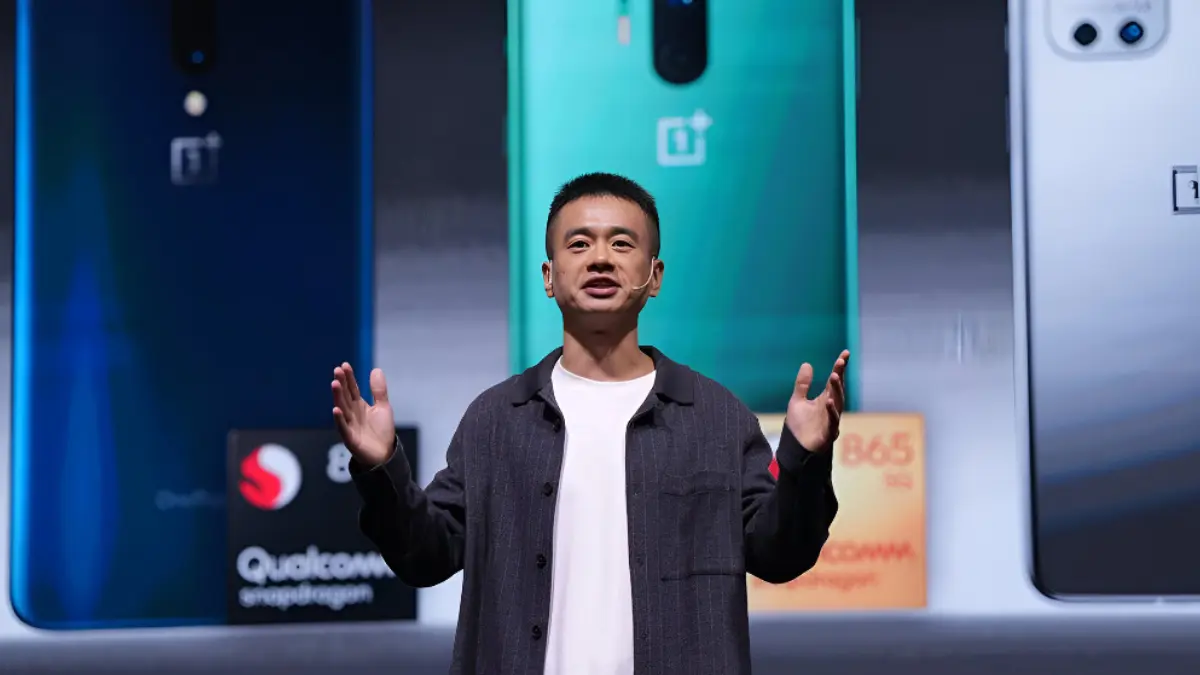


OnePlus isn’t shutting down. At least that’s what the company wants you to believe.
Robin Liu, CEO of OnePlus India, took to X on Tuesday to deny reports claiming the smartphone brand is dismantling its operations, calling the allegations “false” and “unsubstantiated.” The denial comes one day after Android Headlines published a detailed report alleging OnePlus is canceling products, closing offices, and centralizing control in China.
But the damage may already be done. Over 4,500 retail stores across six Indian states stopped selling OnePlus phones in 2024 due to warranty delays and razor-thin profit margins, according to industry data. Global shipments dropped more than 20% last year.
Liu’s statement, shared as a graphic on social media, emphasized that India operations “continue normally” and urged stakeholders to rely only on official sources. The post quickly spread across News9, India Today, and The Hindu, with his tweet drawing over 2,000 views within hours.
“We remain committed to delivering the best experience to our users,” Liu’s statement read, echoing OnePlus’s longtime “Never Settle” slogan. He didn’t address specific claims from the Android Headlines report.
That report painted a grim picture. It alleged OnePlus canceled the OnePlus Open 2 foldable and the compact OnePlus 15s model, shut down offices in the United States and Europe, and shifted decision-making power back to China. The story cited unnamed sources familiar with the restructuring.
The timing couldn’t be worse for OnePlus. India was supposed to be the brand’s lifeline after losing ground in Europe and North America. The company merged with parent company OPPO in 2021 to share resources and cut costs, but the strategy hasn’t stopped market share erosion in both premium and overall smartphone segments.
OPPO Group as a whole has grown in India, but OnePlus hasn’t kept pace. Samsung and Vivo continue to eat into its customer base, particularly in the premium tier where OnePlus once dominated with flagship-killer devices.
The retail crisis tells the real story. When thousands of stores stop carrying your products, something’s broken. Dealers complained about delayed warranty claim processing and margins so thin they couldn’t justify shelf space. Those aren’t problems a social media post can fix.
Liu’s denial focused exclusively on India operations. He made no mention of global operations, the alleged office closures, or the canceled product launches. OnePlus hasn’t issued a formal press release or global statement addressing the Android Headlines report.
That silence is loud. Industry analysts note that publicly traded companies typically respond to materially false reports with detailed rebuttals, not a single graphic on social media. OnePlus, as a subsidiary of privately held OPPO, faces less regulatory pressure to disclose operational changes.
Reddit’s r/Android community dissected the response with skepticism. Users debated whether the Android Headlines report constituted real journalism or “TikTok headlines,” as one commenter put it. Several pointed out that OnePlus has never formally announced closures before they happen.
“Companies deny things until they don’t,” wrote one user with 300 upvotes. “Remember when Nokia said everything was fine?”
Social media reactions split between relief and doubt. Instagram reels reposted Liu’s clarification with captions like “False alarm!” and “OnePlus lives.” LinkedIn shares focused on brand loyalty and the importance of official communication. But the underlying anxiety persists.
The 2024 shipment decline of over 20% globally suggests deeper problems than a single unfavorable news report. OnePlus built its reputation on offering flagship specs at mid-range prices, but that model requires scale. Shrinking volumes mean higher per-unit costs, which erodes the value proposition.
Retailers who spoke to industry publications last year described a company struggling with inventory management and communication. Several said they learned about new product launches from tech blogs before receiving official dealer notifications. That’s not how functional distribution channels work.
The warranty processing delays proved particularly damaging. When customers bring defective phones to authorized dealers, those dealers submit claims to OnePlus for reimbursement. Slow claim processing ties up dealer capital and creates angry customers. Eventually, dealers cut their losses and move inventory to other brands.
OnePlus positioned India as a manufacturing hub and growth market. The company operates a New Delhi headquarters and assembled phones at facilities in Noida. Prime Minister Modi’s “Make in India” initiative provided incentives for local production, which OnePlus used to compete on price.
But manufacturing presence doesn’t guarantee market success. Xiaomi, Realme, and Vivo all produce phones in India and command larger market shares. Competition intensified as Chinese brands invested heavily in celebrity endorsements and cricket sponsorships while OnePlus maintained a lower-key marketing approach.
The canceled OnePlus Open 2 foldable represents a significant strategic retreat if true. Foldable phones remain a small but growing segment where brands can demonstrate innovation and justify premium pricing. OnePlus launched the original Open to positive reviews, and a successor would have kept the brand relevant in the flagship conversation.
Similarly, canceling the compact OnePlus 15s would abandon customers seeking smaller phones. Apple’s iPhone 13 mini and iPhone SE prove demand exists for high-quality devices under 6.5 inches. OnePlus exiting that category cedes ground to competitors.
Liu’s response mentioned “misinformation” but didn’t specify which claims were false. The statement’s vague language allows OnePlus to claim vindication regardless of what eventually happens. If the company does scale back operations, executives can argue they never said they wouldn’t restructure, only that they weren’t “shutting down.”
Analysts watching OPPO’s broader restructuring note that parent companies often consolidate struggling subsidiaries while maintaining a public-facing brand. OnePlus could continue releasing phones designed in China and marketed globally even if its independent operations shrink significantly.
The office closures in the United States and Europe, if accurate, would mark a return to OnePlus’s roots as an online-focused brand. The company started in 2013 with an invite-only sales model and minimal physical presence. Expanding into retail partnerships and regional offices came later as the brand matured.
Users who invested in OnePlus devices expressed relief at Liu’s denial but remain cautious. Warranty support and software updates matter more than corporate structure for existing customers. If OnePlus reduces its operational footprint, will current phone owners still receive Android updates and hardware repairs?
The company hasn’t addressed those concerns directly. Liu’s statement promised continued operations in India but said nothing about long-term product roadmaps or support commitments. That’s the information customers and dealers actually need.
OnePlus faces a credibility challenge moving forward. Every product delay or strategic shift will now spark speculation about the company’s viability. Competitors will exploit that uncertainty in sales pitches to retailers and customers. Trust, once damaged, doesn’t heal with a single social media post.
The broader smartphone market context makes OnePlus’s position more precarious. Premium segment growth has slowed as customers hold phones longer and inflation pressures budgets. Mid-range phones from brands like Nothing and Poco offer compelling specs at lower prices. OnePlus sits awkwardly between premium and value, belonging fully to neither.
What happens next depends on actions, not statements. If OnePlus launches the OnePlus 16 series as scheduled, improves retail relationships, and maintains software support, Liu’s denial will look prescient. If new products don’t materialize and dealer networks continue shrinking, the Android Headlines report will be vindicated.
For now, OnePlus India insists the brand isn’t going anywhere. Whether that remains true by year’s end is anybody’s guess.