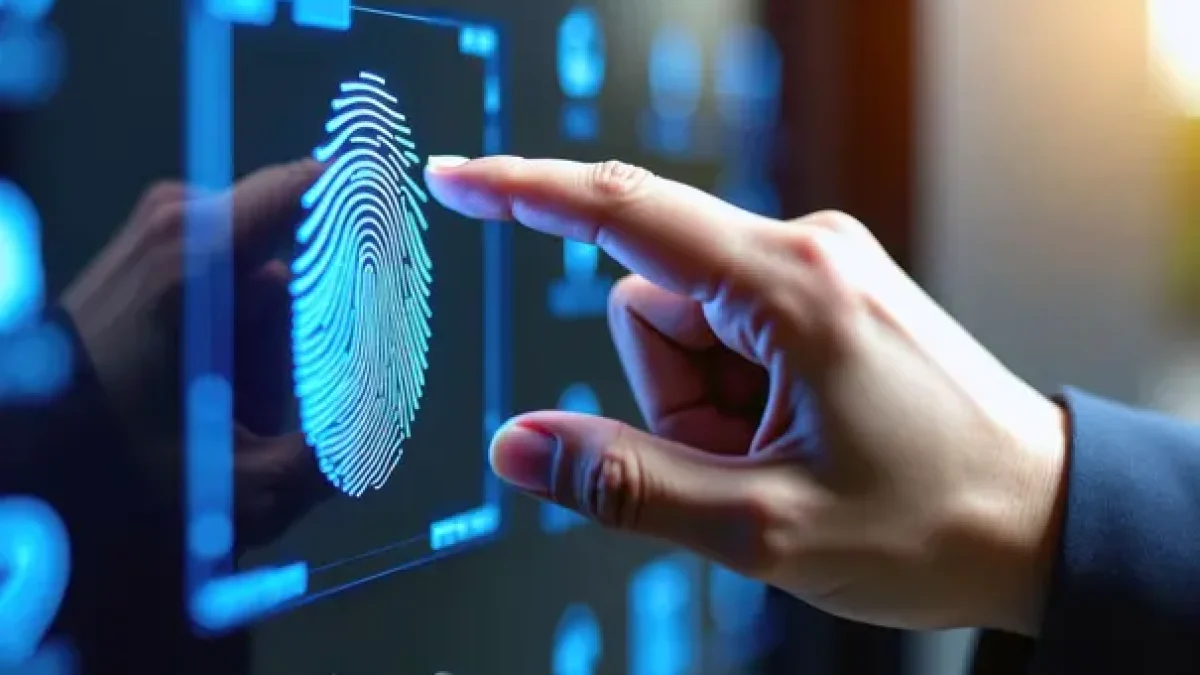


Biometric authentication — using measurable physical characteristics to verify identity — has expanded well beyond the fingerprint scanners that became standard on smartphones a decade ago. In 2026, iris recognition, palm vein scanning, and facial recognition are deployed at scale in settings ranging from airport border control and banking to stadium access and workplace security. Understanding how these technologies work, where they are deployed, and the privacy questions they raise is increasingly relevant to anyone interacting with modern institutions.
Iris Recognition
The iris — the colored ring surrounding the pupil — has a pattern that is unique to each individual and stable throughout adult life. Iris recognition systems use near-infrared cameras to capture the detailed texture of the iris and compare it against enrolled patterns. The technology was developed in the 1990s and has been used in airport border control and national identity programs for over two decades.
In 2026, iris recognition is deployed at multiple major international airports for border crossing — the UAE, Netherlands, UK, and US all use iris biometrics in various entry programs. India’s Aadhaar system incorporates iris data alongside fingerprints for over a billion enrolled citizens. The accuracy of iris recognition under controlled conditions is extremely high; the technology’s challenges arise in uncontrolled environments — variable lighting, glasses, contact lenses, and distance all affect capture quality.
Palm Recognition
Amazon has deployed its palm recognition system, Amazon One, in Amazon Go stores, Whole Foods locations, and select sports stadiums across the United States, allowing customers to pay for purchases or enter venues by hovering their palm above a reader. The system reads the unique vein patterns beneath the skin of the palm using near-infrared light, creating an identifier tied to a payment method or access credential. As of 2025, Amazon One had been enrolled by millions of users across its deployed locations, according to company statements.
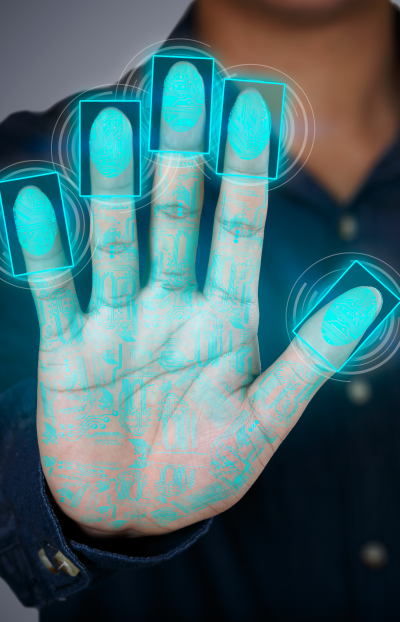
The appeal of palm recognition for consumer applications is its contactless operation — the user simply holds their hand near the reader rather than pressing a finger against a sensor, reducing hygiene concerns and improving throughput in high-volume environments. The privacy concern is the creation of a biometric database tied to purchasing behavior and physical location that the operator retains.
Facial Recognition and Regulatory Responses
Facial recognition has the broadest deployment but also the most significant regulatory scrutiny. The technology is used in surveillance systems, access control, payment systems in China, and increasingly in law enforcement. Several US cities, including San Francisco, have enacted bans on government use of facial recognition. The EU’s AI Act restricts real-time remote biometric identification in public spaces for law enforcement. India has deployed facial recognition at airports and is expanding its use in public security infrastructure.
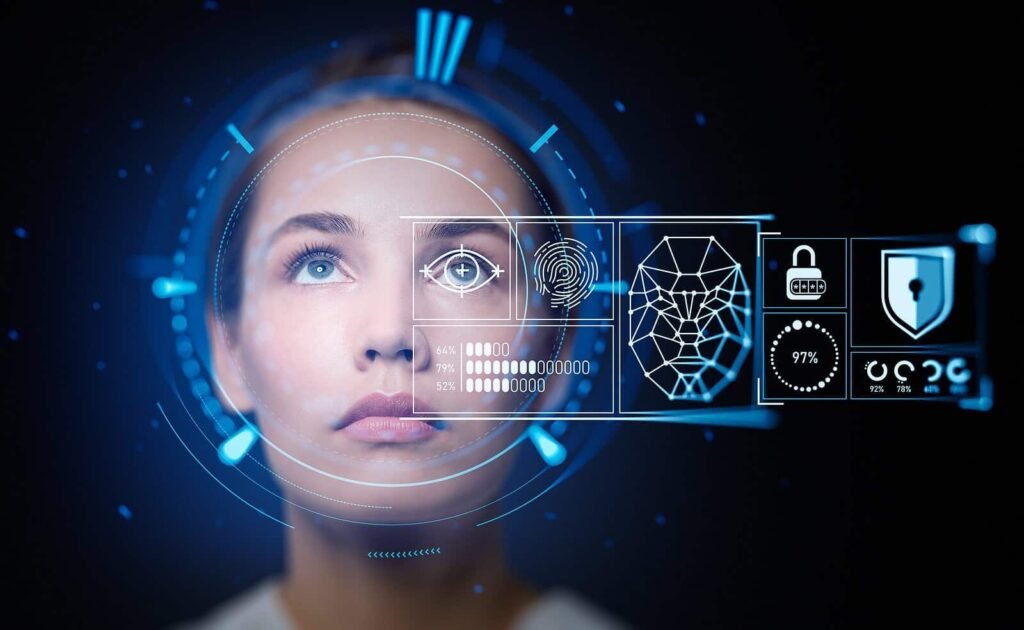
The accuracy disparities of facial recognition systems across demographic groups — documented in studies showing higher error rates for women and people with darker skin tones — have prompted regulatory attention and algorithmic improvements, though the problem has not been fully resolved across all deployed systems.
What Biometric Security Means for Users
Biometric authentication provides genuine security advantages over passwords and physical tokens — a fingerprint or iris pattern cannot be guessed, is always with the user, and is difficult to transfer to another person. The limitation is that biometric identifiers cannot be reset if compromised — if a fingerprint database is breached, the affected individuals cannot obtain new fingerprints. This creates a permanent security exposure that has no equivalent in password-based systems, and it is a fundamental consideration in the design of biometric systems that should inform how and where biometric data is stored and processed.