


Brain-computer interface technology, which has existed primarily as speculative science fiction and laboratory research for decades, crossed a threshold in 2024 and 2025 that has brought it into the category of demonstrated, if early-stage, medical technology. Neuralink, the company led by Elon Musk, has implanted its devices in human patients and documented outcomes that include paralyzed individuals controlling computers, playing chess, and directing robotic arms using thought alone. As of early 2026, the company is preparing a production scale-up and has announced intentions to automate the surgical procedure. The technology is real and advancing — but understanding what it means for most people requires careful calibration against what it is designed to do, what it cannot yet do, and what the ethical and regulatory landscape looks like.
What Neuralink’s Device Is and What It Does
The Link is Neuralink’s implanted device, approximately 23 millimeters in diameter and 8 millimeters thick — roughly the size of a coin. It reads electrical signals from neurons and translates them into digital commands, with the goal of allowing users to control devices using thought alone. The device includes 1,024 electrodes distributed among 64 threads, which are placed near neurons in areas of the brain associated with movement and intention.
The first human implantation took place in January 2024. As of September 2025, a total of 12 people worldwide with severe paralysis have received Neuralink implants. These patients include individuals with ALS and quadriplegia due to spinal cord injuries, all of whom are using brain-computer interfaces to communicate, type, and control digital tools through thought.
The outcomes documented so far are meaningful within the context of the specific medical conditions being addressed. A person paralyzed from the shoulders down who can control a computer cursor with their thoughts, play video games, and direct a robotic arm represents a genuine, verifiable advance in quality of life. The technology is not restoring physical movement — it is creating a new pathway for communication and device control that bypasses the damaged nervous system pathways.
The 2026 Plans and What They Mean
On December 31, 2025, Elon Musk posted on X that Neuralink will start high-volume production of brain-computer interface devices in 2026 and will move to a streamlined, almost entirely automated surgical procedure. He noted that device threads will go through the dura — the tough membrane surrounding the brain — without the need to remove it, describing this as a significant advancement.
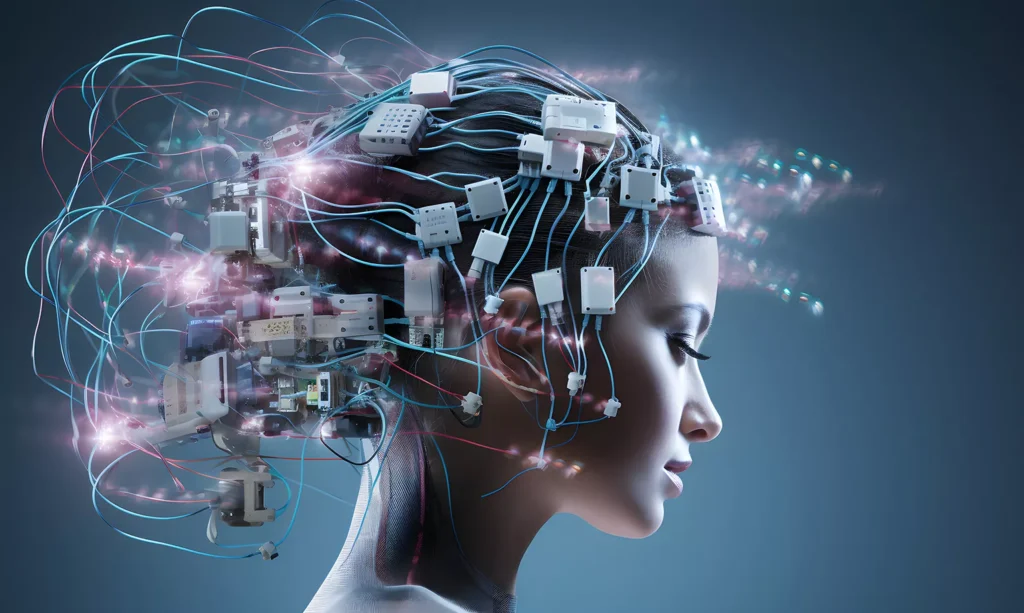
These are statements made by the company’s founder on social media, not regulatory filings or independently verified production announcements. They should be understood as aspirational commitments from a company with a demonstrated pattern of ambitious target-setting. What is independently verifiable is that Neuralink has been conducting human trials, expanding internationally, and has secured significant funding.
In 2025, Neuralink expanded its clinical trials to the United Kingdom, partnering with University College London Hospitals and Newcastle Hospitals; to Canada, implanting two patients at Toronto’s University Health Network; and to the UAE, launching the UAE-PRIME study at Cleveland Clinic Abu Dhabi in partnership with the Department of Health Abu Dhabi.
Neuralink received FDA Breakthrough Device Designation for its speech restoration technology in May 2025, designed to decode attempted speech movements from motor and language areas of the brain. The Blindsight device, designed to restore a form of visual perception for people who are completely blind by stimulating the visual cortex directly, was anticipated to begin its first human trials in late 2025 or early 2026.
The Regulatory and Ethical Context
Neuralink’s scale-up plans are not occurring in an uncritical environment. US Senate legislation — the MIND Act — was proposed in September 2025 by Senate Majority Leader Chuck Schumer and co-sponsors, requesting that the FTC closely examine the policy framework for long-term BCI use. With over 10,000 people reportedly on Neuralink’s waiting list, questions about whether FDA oversight is sufficient for high-volume BCI production by a single company have entered legislative discussions.
The data privacy implications of a device that reads neural signals — including potential access to information about intent, emotional state, and cognition — are genuinely novel and not covered by existing privacy frameworks. The long-term safety profile of a permanently implanted brain device is unknown because no such device has existed in humans for long enough to generate that data.
Earlier Neuralink implants experienced thread retraction — the ultrafine electrodes pulling back from brain tissue after implantation — reducing the number of functional electrodes. The first implant recipient experienced this issue in the weeks following surgery, resulting in a net decrease in effective electrodes. The technical challenge of maintaining stable, long-term neural interfaces in living tissue has not yet been fully resolved.
For most people, the relevance of Neuralink’s progress in 2026 is not immediate — the technology is being developed for severe neurological conditions, not for consumer enhancement. The question of whether BCIs will eventually expand beyond medical applications into cognitive augmentation for healthy individuals is a legitimate long-term question that researchers, ethicists, and policymakers are beginning to engage seriously. That future is not yet visible on any confirmed timeline.