


Consumer electronics are among the most resource-intensive products manufactured at global scale. Each smartphone contains dozens of mined minerals; each data center consumes electricity equivalent to small towns; and the global volume of electronic waste — an estimated 50-plus million metric tons per year — continues to grow faster than recycling infrastructure can process it. The response from the technology industry has been uneven, but in 2026 it is measurably more substantive than in previous years: more manufacturers are publishing verifiable repairability scores, using recycled and bio-based materials in products and packaging, and designing devices with longer service lives in mind. For consumers who want to reduce the environmental impact of their technology use, the choices available in 2026 are meaningfully better than they were five years ago.
Repairability: The Foundation of Sustainable Tech
The single most impactful variable in a gadget’s environmental footprint is how long it lasts and whether it can be repaired rather than replaced. A device used for seven years produces far less aggregate environmental impact than two devices used for three years each, regardless of what either device is made from. The iFixit repairability score — a standardized assessment of how serviceable a device is, rated on a scale of 1 to 10 — has become a meaningful market differentiator in 2026.
Lenovo’s ThinkPad T-Series achieved a perfect 10/10 iFixit repairability score and includes customer-replaceable USB-C ports — a design decision that pushes repairability further than most competitors are publicly willing to commit to. Fairphone, the Dutch manufacturer that has built its business model explicitly around modular, user-serviceable smartphones, continues to lead the consumer handset category in repairability and material traceability.
The importance of this metric extends beyond individual consumer decisions. EU right-to-repair regulations, which came into effect progressively from 2021, have mandated that manufacturers of certain product categories provide spare parts and repair documentation. These regulations have influenced product design decisions for manufacturers selling into European markets.
Solar-Powered and Energy-Efficient Devices
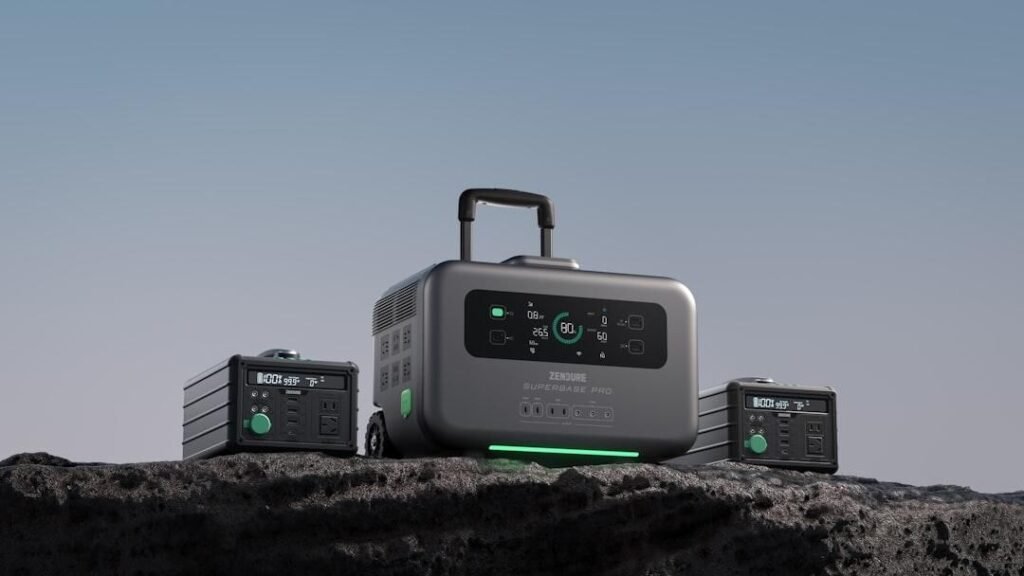
Solar integration in consumer gadgets has advanced beyond novelty status. Portable solar panels for charging phones, laptops, and power banks have reached efficiency levels that make them practically useful rather than aspirational. Products from EcoFlow and Goal Zero offer compact, foldable panels with sufficient output to charge a laptop in several hours of direct sunlight — relevant for outdoor activities, remote work, and emergency preparedness.
LED lighting uses up to 80% less energy than traditional incandescent lights and lasts significantly longer, reducing both electricity bills and the frequency of replacement. Smart thermostats learn household schedules and adjust heating and cooling for optimal energy use, offering both environmental and financial returns. The ecobee Smart Thermostat Premium is among the most reviewed devices in this category, with verifiable energy savings documentation available through utility partnership programs in the United States and Canada.
Recycled and Bio-Based Materials
The material composition of accessories — cases, cables, chargers, headphones — represents a meaningful opportunity for consumers to reduce their plastic footprint without replacing primary devices. Pela manufactures phone cases from plant-based biopolymers that are designed to break down in composting environments. The company reports that producing these cases generates 30% fewer carbon emissions and uses 34% less water than conventional plastic case manufacturing.
Anker’s bio-based product line uses materials derived from corn and sugar cane to replace petroleum-based plastic in charging cables and external battery packs. House of Marley produces audio equipment — headphones, speakers, and earbuds — using bamboo, recycled plastic, and recycled aluminum, with verifiable material sourcing documentation. EcoFlow manufactures portable solar panels and power chargers designed to replace fossil-fuel-powered generators for off-grid and emergency use.
The E-Waste Problem and What Consumers Can Do
Purchasing new devices is the highest-impact decision in the consumer electronics lifecycle. Extending the use of existing devices — through repair, software updates, and protective cases — delays the manufacturing of replacement units and their associated mining, processing, and energy costs. When replacement is necessary, buying certified refurbished electronics from programs run by manufacturers or verified third-party retailers recovers the embodied energy already invested in existing devices rather than requiring new manufacturing.
Proper disposal of end-of-life electronics matters. Many consumer electronics contain hazardous materials including lead, mercury, cadmium, and rare earth elements that cause environmental and health harm when landfilled. Most major electronics manufacturers and many retailers operate take-back or recycling programs at no cost to consumers.
The Systemic Limitation
Consumer product choices, while meaningful, address only a portion of the technology industry’s environmental impact. The energy consumption of data centers — which power everything from cloud storage to AI model training — represents an impact category that individual gadget decisions cannot address. The materials extracted to manufacture the billions of connected devices in global use require mining practices that carry their own environmental costs. Adopting eco-friendly technology has the potential to reduce global emissions by as much as 15% by 2030, according to some analyses, but this requires systemic industry change alongside individual consumer choices.
The most effective individual posture in 2026 is to extend device lifespans, choose repairable over disposable where quality-equivalent options exist, select accessories made from recycled or bio-based materials, and engage with manufacturer and retailer take-back programs for end-of-life devices. These choices are now supported by a product market meaningfully richer than it was even three years ago.