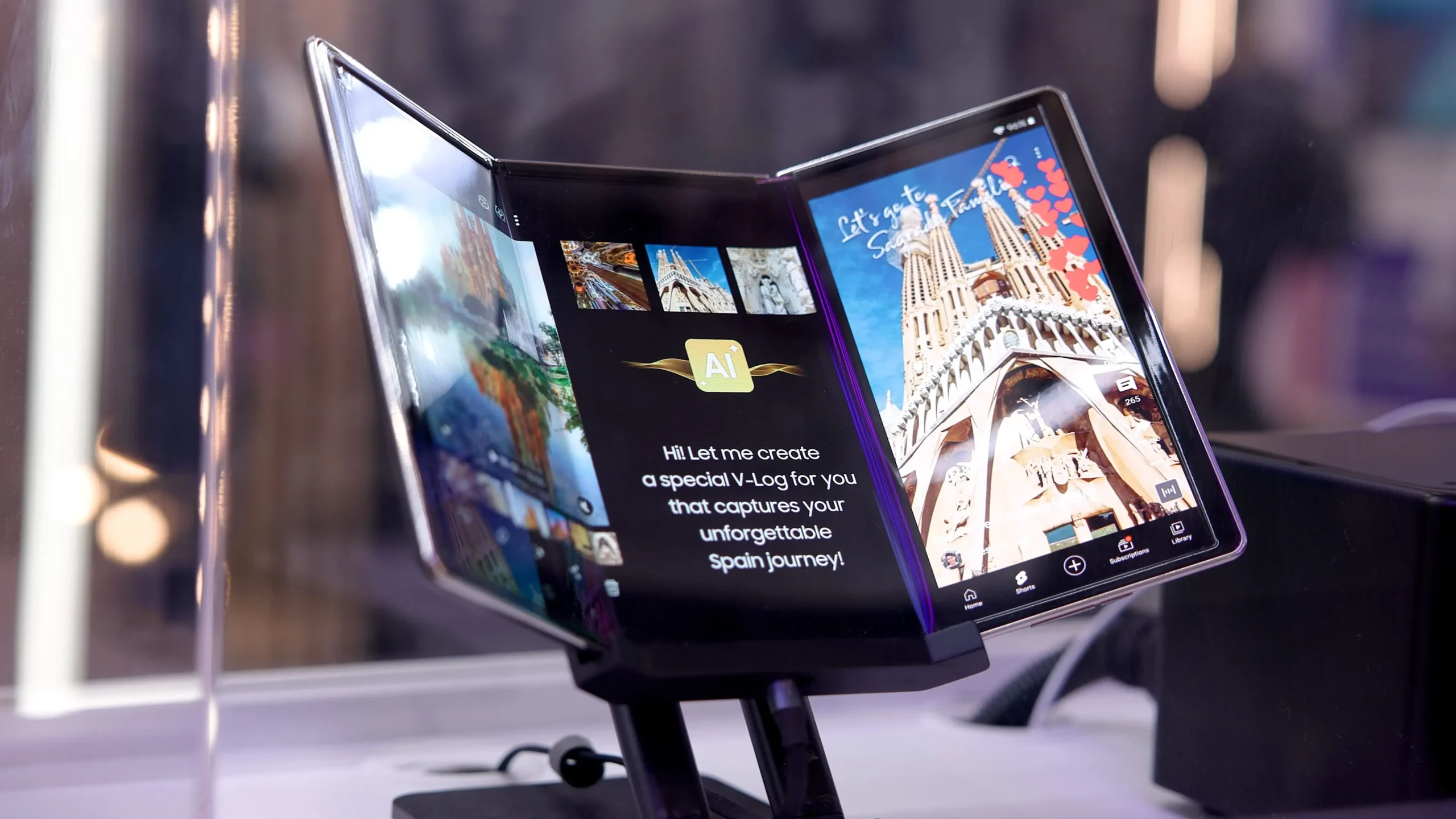


The foldable display category, which spent its first several years defined almost entirely by smartphones — Samsung’s Galaxy Z Fold series establishing the basic playbook — has in 2025 and 2026 diversified into territory that changes what the format can mean for computing. Gaming handhelds, standalone tablets, full-size PC screens, and conceptual hybrid form factors unveiled at MWC 2026 and CES 2026 suggest that the flexible display, long considered a phone-specific technology, is now being seriously applied to the broader personal computing landscape. The pace of commercial availability and the durability improvements achieved over successive generations have made the underlying technology mature enough to support this expansion.
The Phone Category Matures
The smartphone foldable segment has settled into a stable, if premium, product category. Recent standout models include the Samsung Galaxy Z Fold7, launched in July 2025, featuring a thinner design, a larger main display, and improved efficiency, along with the Google Pixel 10 Pro Fold, which offers IP68 dust and water resistance and strong camera performance in the foldable form factor. These devices represent refinement rather than reinvention — the fundamental design of a phone that opens into a tablet remains unchanged, but build quality, display durability, and software optimization have improved substantially from first-generation hardware.
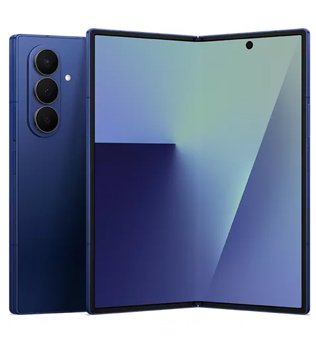
The Samsung Galaxy Z Fold range has consistently iterated on its hinge design, which remains the most mechanically demanding component in any foldable. Modern foldables use ultra-thin glass layered under protective coatings, replacing the plastic-only screens of early models that scratched easily. The maturity of the fold phone category means that manufacturers are now applying the underlying technology to form factors where the flexibility of the display creates distinctly different value propositions from the phone-to-tablet transition.
The Legion Go Fold: Foldable Meets Gaming Handheld
The most discussed new foldable concept to emerge from MWC 2026 came from Lenovo’s gaming division. The Lenovo Legion Go Fold Concept is a gaming handheld built around a POLED display that unfolds from 7.7 inches to 11.6 inches. The device is designed for gamers who want both a compact handheld form and a large tablet-sized canvas, combining detachable controllers with an expandable display. It operates in four distinct modes, from standard handheld play to a full tabletop configuration with a wireless keyboard and trackpad.
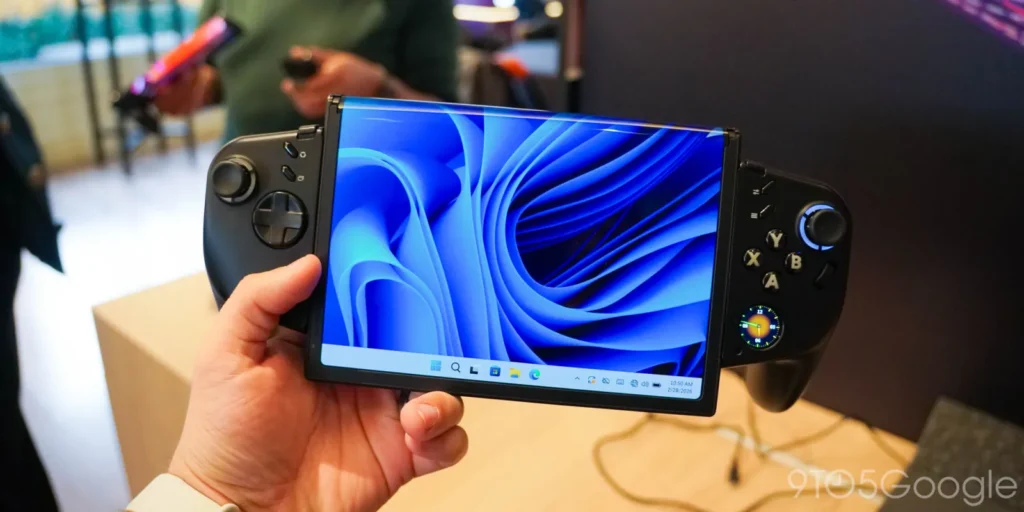
When unfolded, the Legion Go Fold can be used horizontally as a wide gaming display or vertically as a tall screen. The detachable controllers operate similarly to the Nintendo Switch design, and can be reconfigured into a wireless gamepad or one controller can function as a vertical mouse. Hardware specifications include an Intel Core Ultra 7 258V processor and 32 gigabytes of RAM — specifications that would be competitive in a premium ultraportable laptop, applied to a gaming handheld.
Hands-on evaluations from MWC noted that the concept, as shown, was unfinished in its physical refinement. Controllers feel barely attached in the current prototype form, and the outward-folding display raises durability questions from reviewers familiar with early foldable phone issues. The Legion Go Fold remains an officially designated concept device, meaning no launch date or pricing has been confirmed by Lenovo.
Foldable PCs: From Concept to Early Commercial Reality
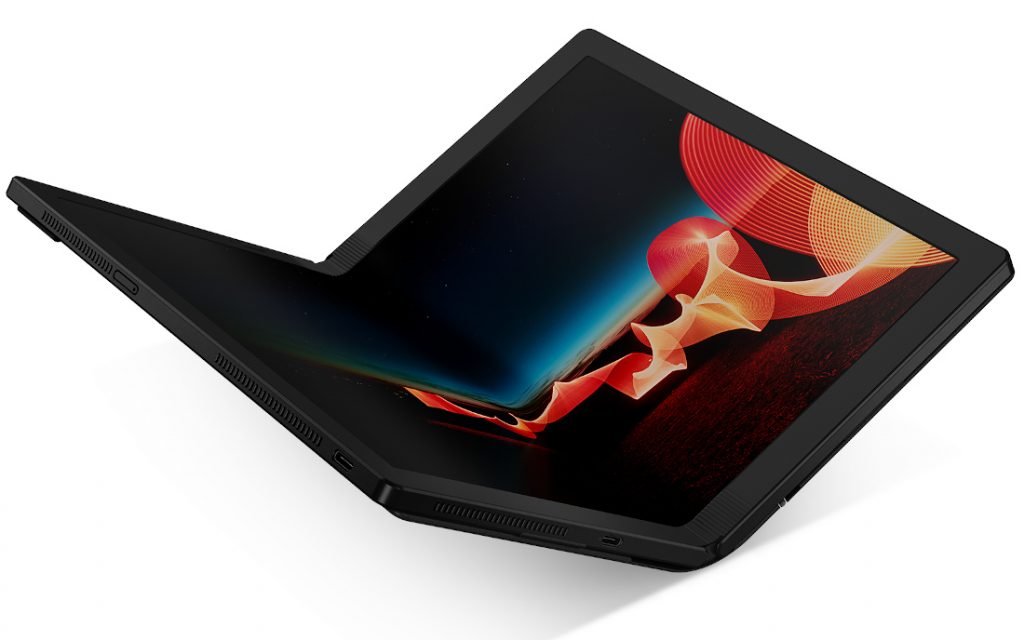
Lenovo has been developing foldable PC form factors since before the current generation of products. The ThinkPad X1 Fold 16, a commercially available foldable laptop, demonstrated that the concept could work in a professional computing context — though at a price and weight that positioned it as a niche enterprise device rather than a mainstream consumer product.
At MWC 2026, Lenovo expanded its concept portfolio with the Modular AI PC concept — a laptop with two displays and a detachable keyboard that can be repositioned to accommodate different work environments, with hot-swappable ports including USB-C, USB-A, and HDMI connectors that can be changed without powering down the device. This concept addresses a different flexibility than foldable display technology: modular component reconfiguration rather than screen expansion. Lenovo confirmed this device will remain a concept for now.
The Yoga Book Pro 3D Concept shown at the same event took a different direction entirely: a laptop designed for digital content creators featuring a glasses-free 3D display and dual Lenovo PureSight Pro Tandem OLED displays, allowing users to view depth and spatial relationships on screen without additional equipment.
What the Category Represents
The common thread across these announcements is that display flexibility — whether through folding, rolling, or modular reconfiguration — is being explored as a solution to a genuine problem: the tradeoff between portability and screen real estate. A laptop is too large to carry comfortably everywhere. A phone screen is too small for serious productivity. A tablet is positioned between the two but lacks the input flexibility of a laptop. Foldable technology, in its various manifestations, attempts to collapse these tradeoffs into a single device.
The commercial trajectory of foldable phones suggests this is achievable: Samsung has now produced seven generations of Galaxy Z Fold devices, each more refined than the last, and the market has grown from a curiosity to a premium smartphone segment. The question for foldable tablets and PCs is whether the same iterative improvement can close the gap between the impressive concepts shown at 2026’s major trade shows and devices that ordinary consumers find compelling enough to purchase at the prices the technology currently commands.