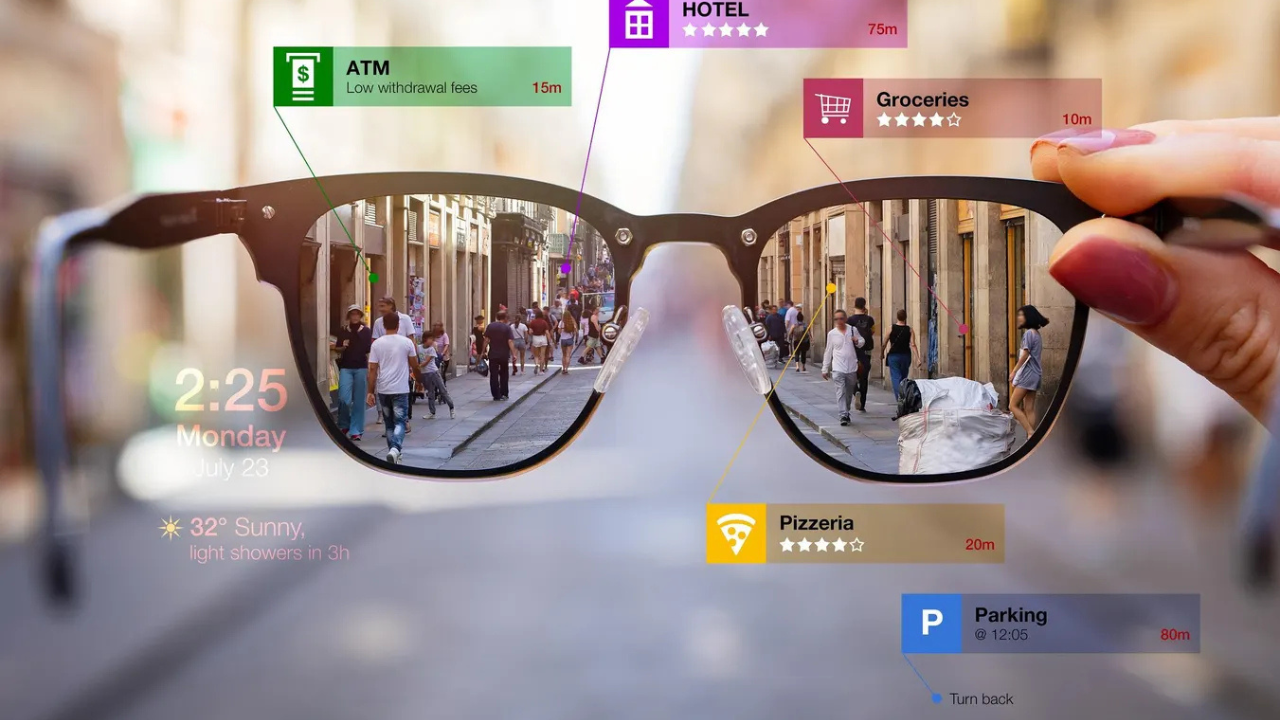


The smart glasses category, long dismissed as a product in perpetual pre-launch, arrived with unusual force in late 2025 and early 2026. Meta’s Ray-Ban Display glasses launched at $799, Apple publicly shifted its augmented reality strategy to prioritize a smart glasses launch, Samsung confirmed its own Android XR-powered glasses for 2026, and a wave of smaller manufacturers unveiled AI-integrated eyewear at CES 2026. The market that IDC forecasts will grow by 39.2% in 2025, reaching 14.3 million units in shipments, is no longer speculative. The more important question — whether smart glasses are becoming a credible category that begins to reduce consumer dependence on smartphones — requires a more careful examination of what today’s products actually do, what they cannot do, and what the roadmap ahead looks like.
What the Current Generation Actually Delivers
The device that has most successfully established the category is Meta’s Ray-Ban smart glasses range, which has been iterating since its initial 2023 launch. The updated generation of Ray-Ban Meta glasses integrates the LLaMA 4 AI model, enabling hands-free interaction with Meta AI by voice command. The glasses allow users to make calls, send texts, control features, and access information verbally.

Meta’s Ray-Ban Display model, which added a screen, represents the current leading edge of the consumer smart glasses category. The display offers a 600×600 pixel resolution with a 20-degree field of view, achieving brightness up to 5,000 nits — sufficient for visibility in direct sunlight. The display is positioned off to the side rather than obstructing the user’s field of vision. Announced features for its 2026 software roadmap include Instagram Reels integration and virtual handwriting support via a neural wristband that detects muscle movements to enable text input without a physical keyboard.
These are genuine functional advances. They are not, however, close to replacing a smartphone. The display is small, the field of view is narrow, and the interaction model depends on voice commands or a companion wristband. Camera-equipped smart glasses raise real privacy concerns — both for wearers and for others in their vicinity — that no manufacturer has yet resolved through design or policy.
Apple’s Strategic Pivot: AI Glasses Before AR
Apple’s entry into the smart glasses market has been the most closely watched development in the category since Meta’s initial launch. The company’s strategy has shifted notably. Bloomberg’s Mark Gurman reported that Apple will show off its glasses in 2026 and launch them in 2027. Apple’s first smart glasses will not include augmented reality capabilities; a future version with a display that overlays digital information on the real world could launch as soon as 2028.

Apple’s smart glasses are designed to compete with Meta Ray-Bans and will reportedly be equipped with cameras, microphones, and speakers to support real-world analysis and hands-free interaction via Siri. A source described the glasses as “similar to the Meta product but better made.” Features are expected to include live translation, turn-by-turn navigation, music playback, and voice-controlled phone calls.
This represents a significant strategic reorientation. Apple spent years developing Vision Pro, a $3,499 mixed reality headset that launched in February 2024 and has found a limited professional market. Rather than following Vision Pro with a lighter headset — a project reportedly deprioritized — Apple appears to have concluded that the near-term consumer opportunity lies in simpler, camera-and-AI glasses that extend iPhone capabilities rather than replace them. Analysts note that the rumored Apple AI glasses are not part of the visionOS platform — they function more like AirPods with cameras, serving as an extension of the iPhone rather than a standalone computing device.
Samsung and Others Enter the Field
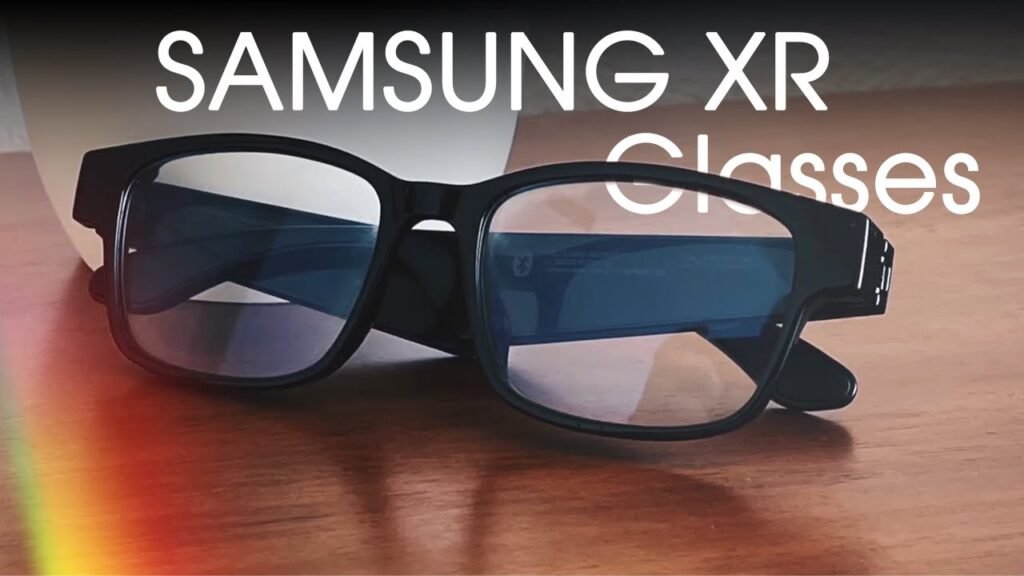
Samsung has confirmed that its Android XR smart glasses will launch in 2026, creating a direct competitor to both Meta and the anticipated Apple glasses. The Android XR platform, developed in collaboration with Google, would allow Samsung’s glasses to integrate with the Android ecosystem in the same way Apple’s glasses are expected to work with iOS. Details on hardware specifications and pricing have not been officially disclosed as of this writing.
The broader market is filling out rapidly. Manufacturers including Xreal, RayNeo, and others have introduced AR glasses with Micro OLED displays that project sharper visuals for specific use cases such as navigation, media consumption, and workspace productivity. These devices occupy a different segment from the camera-and-AI glasses pioneered by Meta — they prioritize display quality over social unobtrusiveness, and carry higher prices that position them toward enterprise and enthusiast buyers.
The Smartphone Replacement Question
The honest answer, based on what the current and near-term product landscape demonstrates, is that smart glasses are building toward a complementary role with smartphones — not a replacement role. The functions that smart glasses currently perform well are additive: they allow users to access information, communicate by voice, and capture photos or video without reaching for a phone. They do not offer the touchscreen interface, application breadth, camera quality, or battery life of a modern smartphone, and they are unlikely to do so in any form available through 2027.
True augmented reality glasses — devices with transparent lenses that overlay interactive digital information on the physical world — remain a harder technical challenge. Meta’s Orion AR prototype reportedly costs approximately $10,000 to manufacture and requires a separate compute unit and wristband controller. Apple’s true AR glasses, by its own leaked roadmap, are not expected before 2028. The fundamental problem of fitting sufficient computing power, battery capacity, and optical systems into a frame weighing less than 50 grams, while achieving all-day wearability and socially acceptable design, has not been solved.
What has changed meaningfully is the trajectory. The combination of on-device AI, miniaturized camera modules, improved wireless communication, and voice interfaces has made a genuinely useful first generation of smart glasses possible. The market is real, the competition is intensifying, and the product category is attracting the resources of the largest consumer technology companies in the world. What that trajectory leads to over the next five years — supplementary wearable device, partial smartphone substitute, or transformative new computing platform — remains genuinely uncertain.