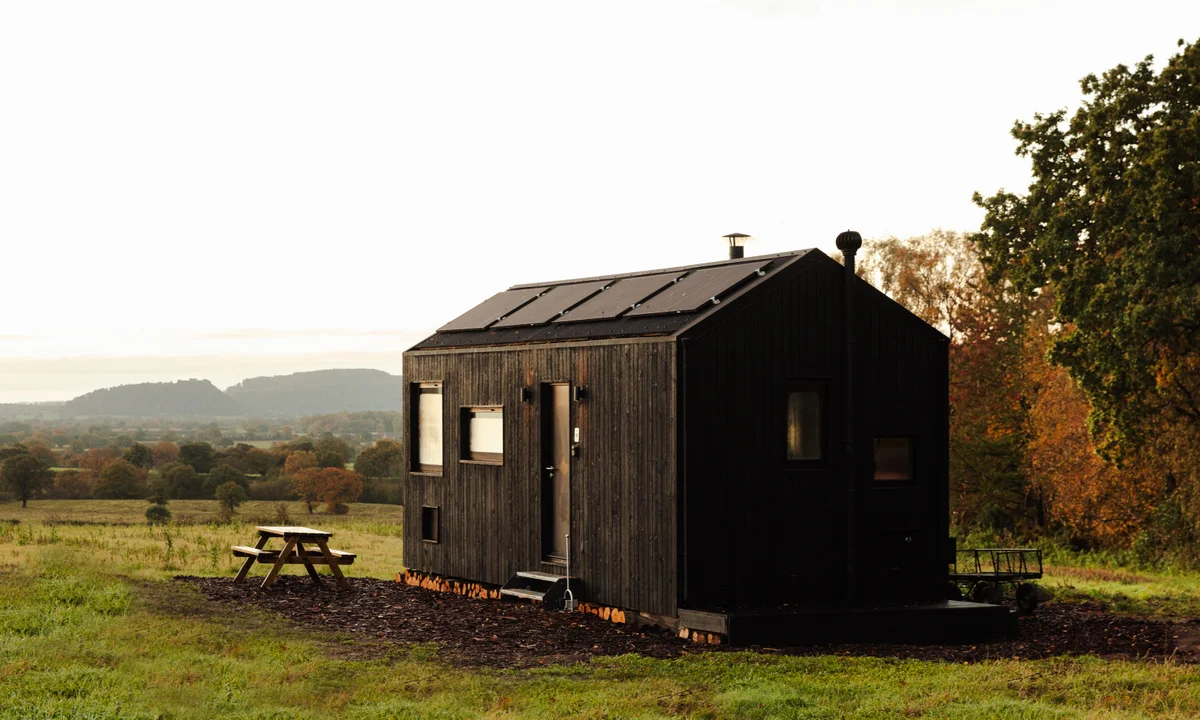


The average person now spends six hours and forty minutes per day on screens. Americans exceed that figure. A Pew Research Center study found that 28% of adults report being online almost constantly, with younger generations exceeding that rate. Against that backdrop, the search for places where the signal genuinely disappears — not throttled, not spotty, but absent — has moved from the fringe of travel planning into its mainstream. The global digital detox tourism market reached $1.42 billion in 2024 and is projected to grow at a compound annual growth rate of 8.6% through 2033, reaching approximately $2.93 billion.
The demand is documented at the individual behavior level as well as the market level. According to Hilton’s 2025 Global Trends Report, 27% of travelers now plan to reduce or shut off social media on vacation, and 17% actively seek out trips that force disconnection — including no-Wi-Fi stays or retreats that lock up phones at check-in. Some vacation rental platforms report a 17% spike in searches for no-internet properties, with clients filtering specifically for off-grid options.
The destinations that genuinely deliver this experience are fewer than the marketing around “digital detox” suggests. What follows is a verified guide to the places where disconnection is structural rather than aspirational — and the preparation framework that makes visiting them safely possible.
Why the Demand Is Real: The Physiological Case for Disconnection
Before the destinations, the science that explains why disconnection has become a travel priority rather than a lifestyle preference deserves honest acknowledgment.

A sentiment analysis tool tracked a 220% year-over-year rise in digital burnout mentions post-2023, with mental fatigue, reduced concentration, and poor sleep cited as top concerns across demographics. According to Unplugged — the UK’s first dedicated digital detox escape operator — more than 50% of guests cite burnout and work stress as their primary motivation for booking. Many workers admit to checking work emails for at least one hour a day while on holiday, meaning they struggle to beat burnout even when on vacation.
Stepping off the grid helps break the cycle of constant alerts and information overload and gives the brain space to reset, according to Christina Lee, a psychiatrist with Kaiser Permanente. It can also sharpen focus, increase life satisfaction, improve creativity, and ease depression and anxiety. These are not marketing claims — they are the clinical assessment of a practicing psychiatrist reflecting a body of research on attention restoration, stress hormone reduction, and the neurological effects of sustained digital engagement.
The Togean Islands, Indonesia: Structural Disconnection in the Gulf of Tomini
Hidden in the Gulf of Tomini off the coast of Sulawesi, the Togean Islands are a paradise for travelers seeking absolute seclusion. With limited infrastructure and barely any Wi-Fi, this remote archipelago is perfect for those wanting to swap screen time for island time. Electricity is often available only for a few hours at night, reinforcing the slow, off-the-grid pace of life.
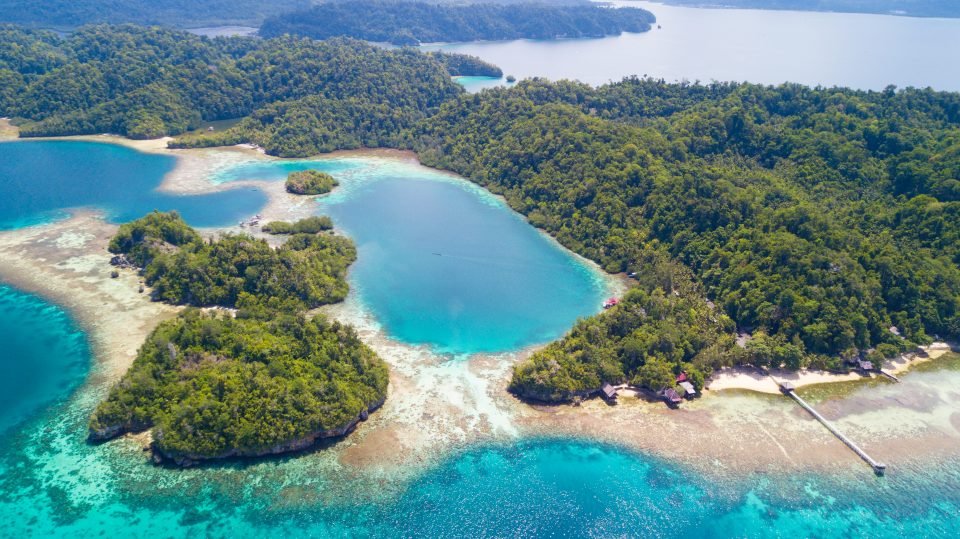
The Togean Islands are only accessible by boat, and offer no mobile network and no digital noise — just coral reefs, jungle trails, and the gentle rhythms of island life. Accommodation options include bamboo huts, beachfront cottages, and eco-lodges built from sustainable materials. The access route involves traveling via Sulawesi to Ampana, then taking a ferry to the islands — a journey that itself functions as a decompression mechanism before arrival.
The structural absence of connectivity here is not a policy decision — it is a geographic and infrastructure reality that the islands’ remoteness enforces. Most visitors report what operators describe as a withdrawal phase during the first 24 to 48 hours, followed by a measurable shift in perception of time and sensory engagement that shorter, infrastructure-rich getaways do not produce.
The Pamir Highway, Tajikistan: One Road Through One of the World’s Most Remote Regions
The Pamir Mountains in eastern Tajikistan are characterized by towering peaks, shimmering blue lakes, vast valleys, and a tapestry of small semi-nomadic communities that still reside along what was once the Silk Road. The only way to travel through the region is Route M-41, colloquially known as the Pamir Highway. James Willcox, founder of Untamed Borders, considers it one of the world’s most phenomenal road trips.
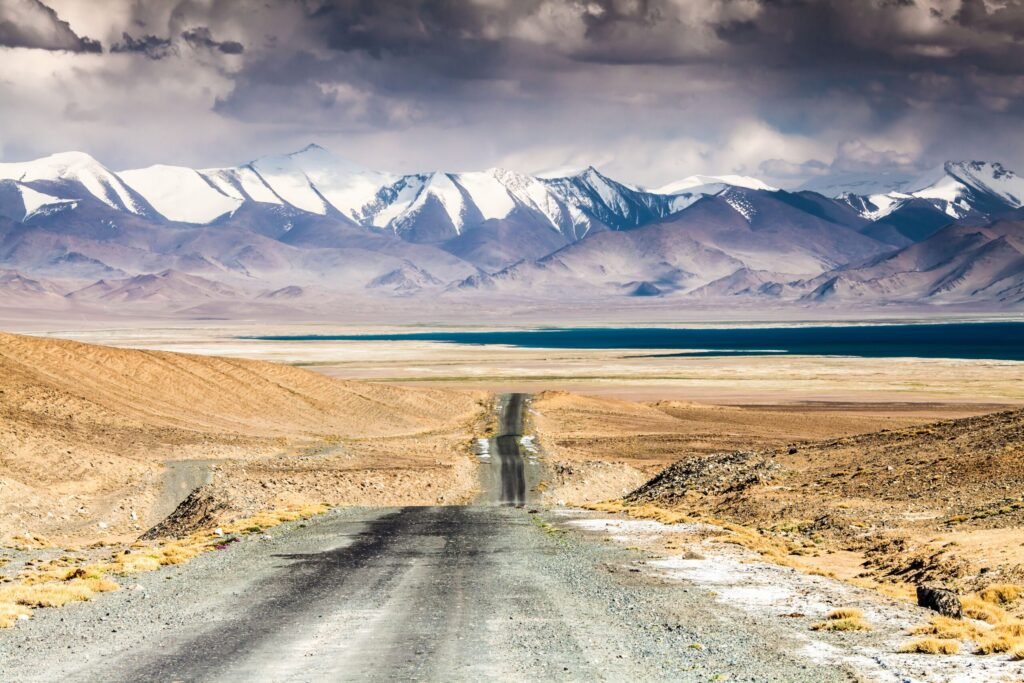
Cellular infrastructure on the Pamir Highway is minimal to nonexistent across most of its length. The highway runs through Gorno-Badakhshan Autonomous Oblast — a region that borders Afghanistan, China, and Kyrgyzstan — at elevations that exceed 4,600 meters at several points. The combination of altitude, remoteness, and infrastructure absence makes this one of the most genuinely off-grid road routes accessible to independent travelers anywhere in the world.
The safety consideration for the Pamir is direct: a satellite communicator is not optional equipment on this route. Emergency response infrastructure in the event of a vehicle breakdown, medical incident, or weather event is measured in hours of travel time from the nearest assistance.
The Okavango Delta, Botswana: Wildlife Immersion Without Connectivity
Botswana’s Okavango Delta is a vast region home to a magnificent diversity of animals, and most camps and lodges in the area do not have Wi-Fi or cell reception. With small boutique accommodations, the chance of seeing other people while out exploring is next to nil — but comfort is not sacrificed to be off-grid, with sumptuous rooms, modern bathrooms, electricity, and superior service maintained throughout.

The Okavango is a UNESCO World Heritage Site covering approximately 20,000 square kilometers of seasonal floodplain. It floods annually between March and August when waters from the Angolan highlands move south, transforming the landscape and concentrating wildlife in patterns that make it one of the most productive safari ecosystems on the planet. The connectivity absence is structural — camps are accessible primarily by light aircraft or mokoro (traditional dugout canoe) — and is actively maintained as an intentional feature of the experience rather than an infrastructure gap waiting to be filled.
The Laugavegur Trail, Iceland: 55 Kilometers Between Huts With No Signal
Ultra runner Stefán Pálsson, who regularly hikes the Wi-Fi-free Laugavegur Trail in Iceland, describes the absence of connectivity as something he genuinely hopes never changes: the trail passes through a landscape of geothermal hot springs, obsidian deserts, and glacial rivers that demands full sensory presence from everyone who walks it.
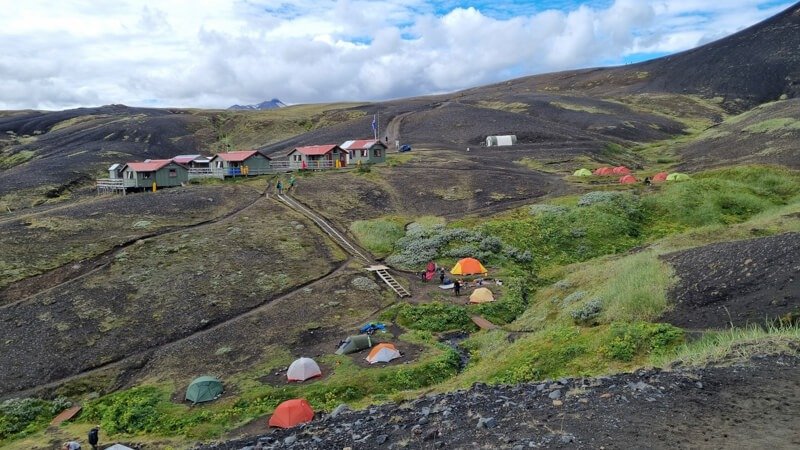
The Laugavegur Trail runs 55 kilometers between Landmannalaugar and Þórsmörk through Iceland’s central highlands, with hut accommodation available at four stopping points managed by the Ferðafélag Íslands (Iceland Touring Association). Cellular coverage is absent along the majority of the route — the terrain is remote enough that even Icelandic emergency services rely on the country’s 112 app, which functions via GPS coordinates rather than cellular signal, for incident response. The trail is typically accessible from late June to mid-September, with the mountain huts operating on a reservation system that books out months in advance.
Moloka’i, Hawaii: The Hawaiian Island That Actively Resists Tourism Infrastructure
Among Hawaii’s islands, Moloka’i stands out most distinctly for disconnection. The pace of this island is much slower — there are no traffic lights, and nightlife is virtually nonexistent. There are many opportunities to explore and relax in nature, including hiking to see waterfalls, beaches, coves, and rainforests.
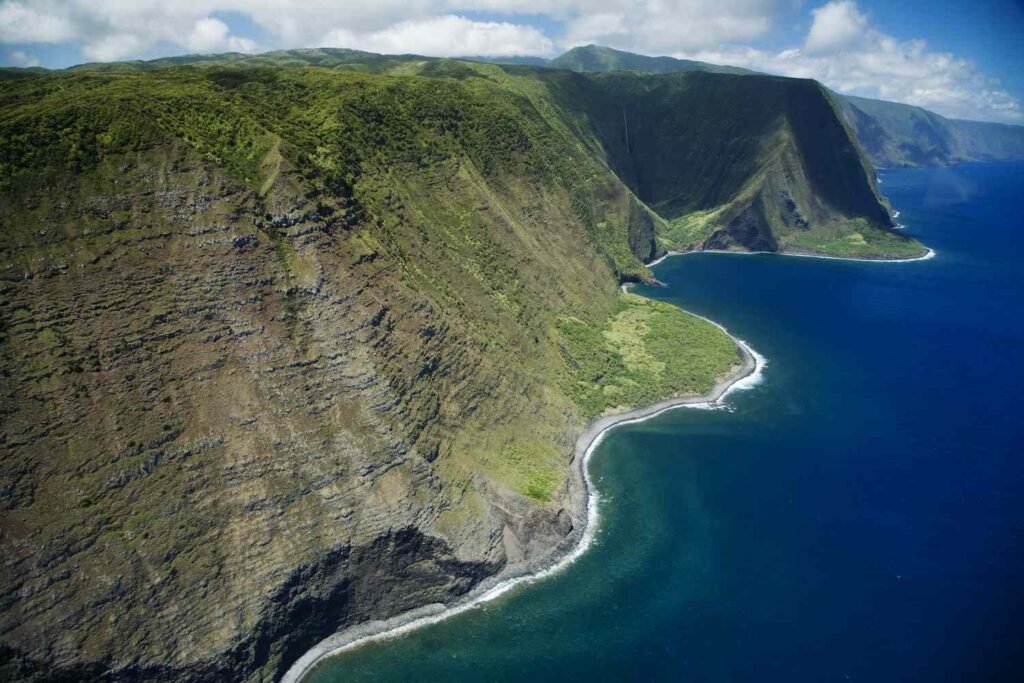
Moloka’i’s approach to tourism is not passive — the island’s community has actively and consistently resisted the resort development and infrastructure expansion that has transformed other Hawaiian islands. This resistance has maintained the island’s character as a functioning community rather than a tourism product, and its cellular and internet infrastructure reflects that orientation. Coverage exists in the main town of Kaunakakai but is unreliable or absent across large portions of the island’s coastline and interior. The Pu’u O Hōkū Ranch on the remote east end — a family-owned organic ranch and rustic retreat center — operates in an area where connectivity is structural rather than a policy choice.
Tasmania’s Southwest Wilderness, Australia: One of the Southern Hemisphere’s Most Remote Accessible Areas
Tasmania’s Southwest Wilderness is only reachable by boat, bush plane, or several days of trekking, making it one of the most remote places in the Southern Hemisphere. The Southwest National Park covers 618,000 hectares of wilderness — the largest national park in Tasmania and one of the largest temperate wilderness areas remaining in the Southern Hemisphere. It contains no roads accessible to conventional vehicles, no permanent human settlement, and no cellular infrastructure. Communication in the Southwest is via satellite or HF radio, and the park’s management infrastructure reflects this: rangers stationed in the area rely on satellite communication systems exclusively.
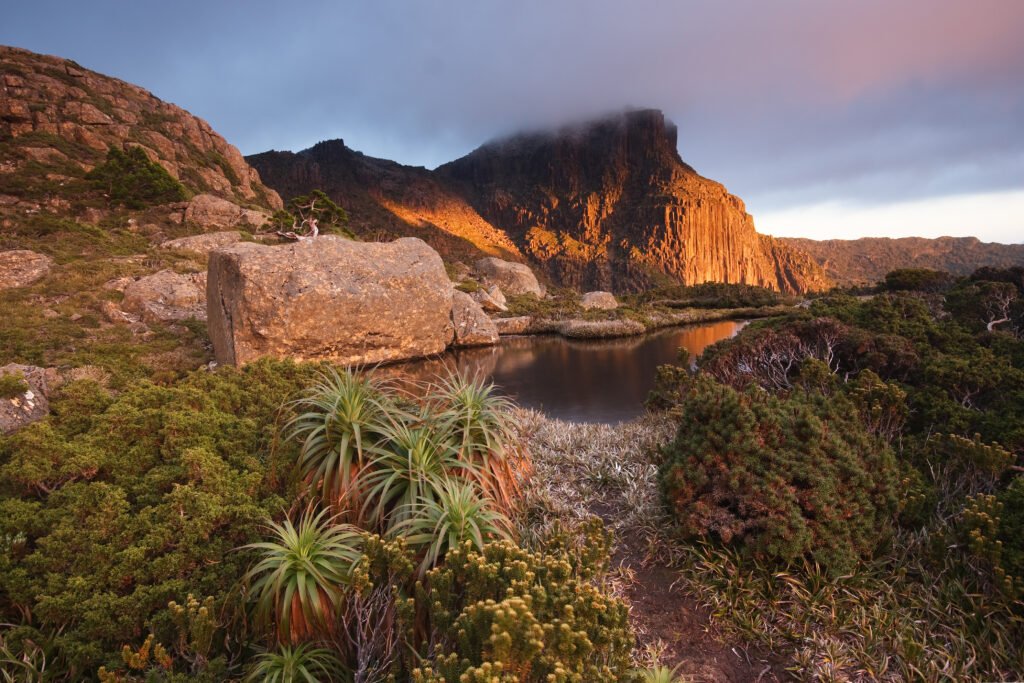
The Southwest is accessible to fit, experienced hikers via multi-day trails including the South Coast Track — a route that requires river crossings, exposed coastal traversing, and navigation through terrain that provides no margin for under-preparation. It is not an appropriate first off-grid destination. For travelers whose off-grid experience is already established and who want a genuinely remote wilderness environment, it is among the most complete options available in the Southern Hemisphere.
The Rock Islands, Palau: Full Off-Grid Living in the Pacific
The Rock Islands of Palau offer a tropical vacation that is not just disconnected digitally but requires the utmost sense of adventure — full-service beach camps in this area do not have electricity or running water. The experience is often described as a Robinson Crusoe scenario, living by the natural cycles of sunrise and sunset from a private white-sand beach.
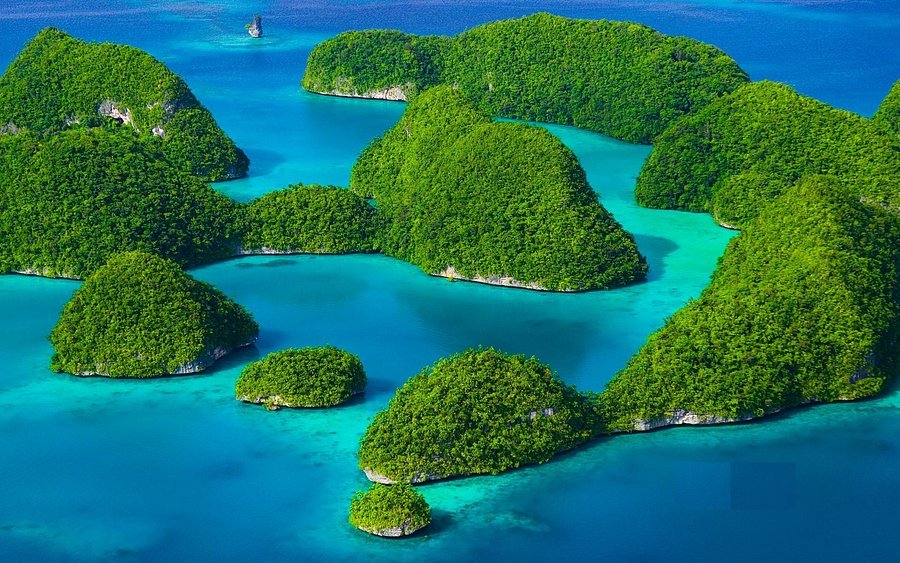
Palau’s Rock Islands Southern Lagoon is a UNESCO World Heritage Site covering 100 square kilometers of marine lakes and jungle-covered limestone islands in the western Pacific. The marine biodiversity — including WWII shipwrecks lying in shallow water — makes it among the most celebrated dive destinations in the world. The structural absence of infrastructure in the camp configurations is not a design statement but a physical reality of operating in an island environment without permanent settlement.
The Maine 100-Mile Wilderness, United States
Maine’s 100-Mile Wilderness is a collection of lodges along a trail system that provides an authentic off-the-beaten-path experience, with properties including Gorman Chairback Lodge and Cabins, Little Lyford Lodge and Cabins, and Medawisla Lodge and Cabins, each offering varying configurations of private cabins with woodstoves and gas lamps in lieu of standard electrical infrastructure.
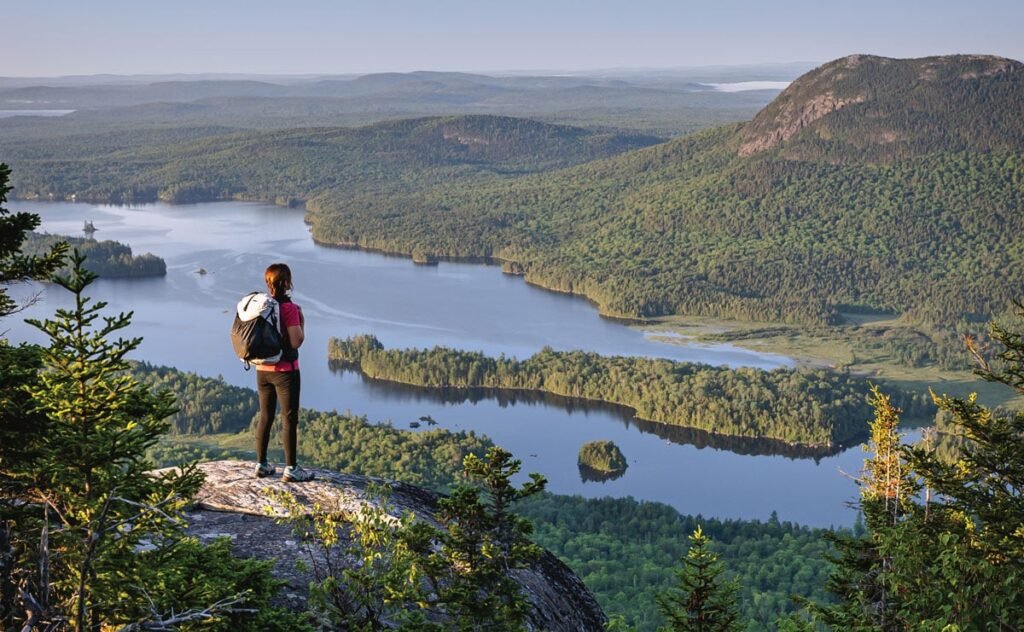
The 100-Mile Wilderness is the most remote section of the Appalachian Trail — the 100-mile stretch between Monson, Maine, and Baxter State Park that passes through terrain with no road crossings, no resupply points, and cellular coverage limited to isolated high points. For travelers seeking off-grid experience within the continental United States without international travel logistics, this corridor provides structural disconnection within a managed wilderness framework.
The Preparation Framework: What Off-Grid Travel Actually Requires
The structural absence of connectivity that makes these destinations valuable also removes the safety infrastructure that connected environments provide. When traveling to remote areas, downloading maps, travel guides, and important documents before departure is essential. Carrying a satellite communicator or emergency GPS device like a Garmin inReach is strongly recommended in areas where cell service is unreliable or nonexistent. Researching necessary vaccinations, weather conditions, and potential wildlife encounters, carrying a first-aid kit, extra food, and a reliable way to purify water are baseline preparations for any off-grid destination.
Nearly one in four travelers now prioritizes turning off social media and avoiding work communications while on vacation, according to the 2025 Hilton Trends Report — a clear shift in attitudes. The shift in attitude, however, must be matched by a shift in preparation. The destinations above offer genuine disconnection precisely because they are remote, infrastructure-poor, and operationally demanding. Arriving at them with the expectation that they will function like a resort with turned-off Wi-Fi is the gap between a transformative experience and a dangerous one.
Digital burnout mentions rose 220% year-over-year post-2023, and the places that most effectively address it are the ones that make connectivity structurally impossible rather than merely discouraged. The signal disappears not because a hotel policy asks it to. It disappears because the nearest cell tower is hours away by boat, by foot, or by bush plane. That distance — physical, logistical, and psychological — is precisely the point.