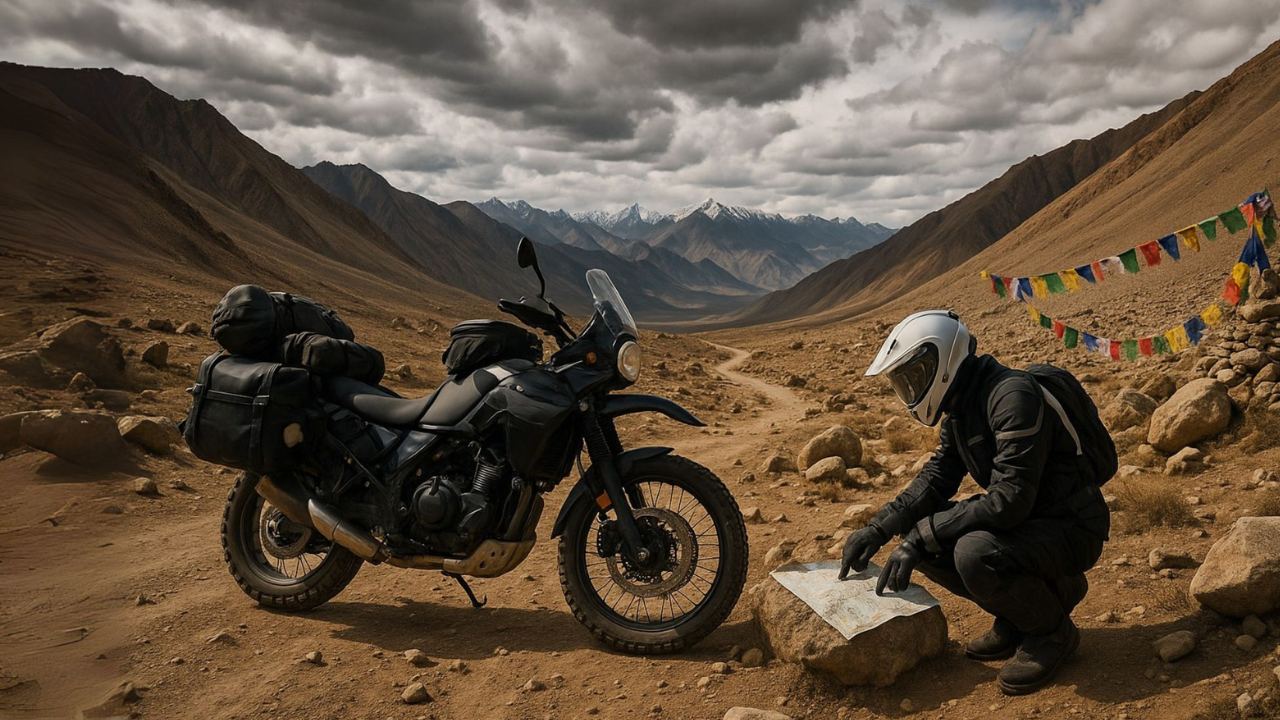


Khardung La in the Indian Himalayas sits at approximately 17,582 feet above sea level. The Stelvio Pass in the Italian Alps peaks at 9,045 feet. The Grossglockner in Austria reaches 8,212 feet. Col de l’Iseran in France, the highest paved pass in the Alps, stands at 9,088 feet. These are not roads that ask anything of the rider in the way that a highway asks. They ask everything — of the rider’s body, the rider’s judgment, and the machine underneath them. The atmosphere at those altitudes contains roughly half the oxygen available at sea level. The roads narrow, steepen, and drop away at their edges without barrier or forgiveness. The weather changes in minutes. The nearest medical facility may be hours away.
High-altitude pass riding is among the most extraordinary experiences available on a motorcycle. It is also among the most unforgiving of the gap between preparation and the absence of it. This guide addresses both sides of that equation with verified medical, mechanical, and logistical information.
What High Altitude Does to the Human Body: The Medical Framework
The physiological challenge of high-altitude riding begins well before the technical riding difficulty. Acute Mountain Sickness is a common manifestation of high-altitude exposure, marked by headache, nausea, dizziness, fatigue, and sleep disturbance occurring within 6 to 12 hours of ascent above 2,500 meters. Risk factors include rapid ascent, prior history of AMS, preexisting cardiopulmonary conditions, young age, high physical exertion, and dehydration.
The prevalence data is instructive for anyone planning a Ladakh or Himalayan ride. AMS occurs in approximately 20% of people after rapidly ascending to 2,500 meters and in 40% of people after ascending to 3,000 meters. Almost everyone who ascends quickly to 11,000 feet will develop some degree of AMS. The base city of Leh in Ladakh sits at 3,300 meters, and the highest road in the region — Umling La — reaches almost 5,800 meters. Everything takes more effort at these elevations and mental concentration is compromised. A rider managing AMS symptoms — headache, nausea, dizziness — on a narrow mountain road with a sheer drop on one side is not managing a minor inconvenience. They are riding with compromised reaction time and judgment in conditions that demand both at full capacity.
AMS is the entry point on a spectrum that includes two life-threatening conditions. High-altitude cerebral edema is a global encephalopathy representing the extreme end of the AMS spectrum. High-altitude pulmonary edema is a noncardiogenic pulmonary edema causing severe dyspnea and hypoxemia. Both HACE and HAPE are potentially life-threatening and require immediate descent. HACE clinical manifestations include severe headache, ataxia, confusion, fatigue, and progressive alteration in mental status, which may advance to coma and death within 12 to 24 hours due to brain herniation. HAPE is the most common cause of fatality due to high-altitude illness.
Understanding these conditions is not alarmism — it is the prerequisite for recognizing them before they progress to the point where self-evacuation is no longer possible.
Acclimatization: The Non-Negotiable Protocol
The single most effective intervention against altitude illness is also the one most frequently bypassed by riders eager to reach the high passes: adequate acclimatization before ascending.
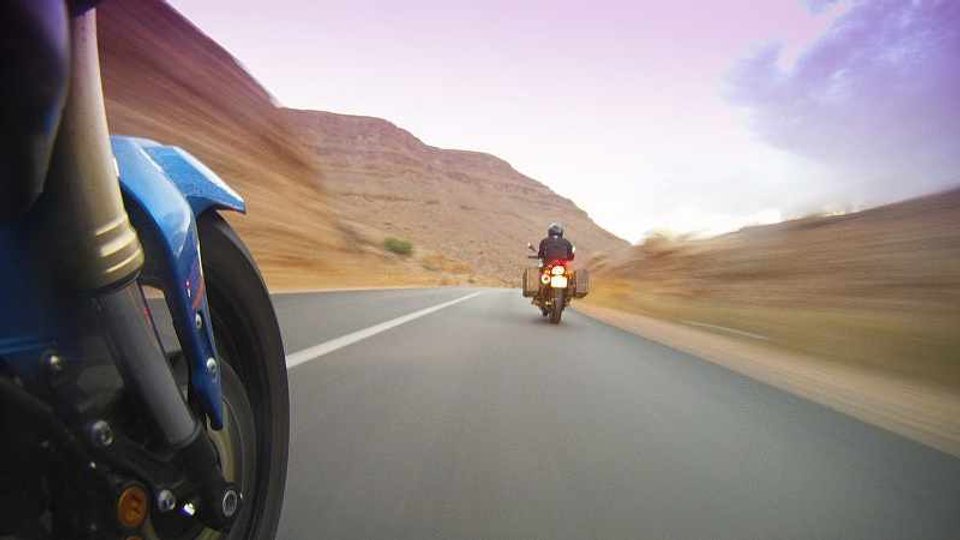
The golden rule for a successful Ladakh motorcycle tour is to allocate two to three days strictly for acclimatization in Leh before attempting any higher passes. During this period, the body ramps up red blood cell production to compensate for the lower partial pressure of oxygen. Riders often make the mistake of feeling fine on the first morning and rushing off to Khardung La, only to succumb to debilitating headaches, nausea, or worse, HAPE by evening.
The CDC’s Yellow Book — the authoritative clinical reference for international travel health — provides specific acclimatization rate guidance. The Wilderness Medical Society recommends avoiding ascent to a sleeping altitude of 2,750 meters in a single day, ascending at a rate of no greater than 500 meters per night in sleeping altitude once above 3,000 meters, and allowing an extra night to acclimatize for every 1,000 meters of sleeping altitude gain. The “climb high, sleep low” principle — ascending to a high point during the day and returning to a lower altitude to sleep — reflects the documented finding that sleeping altitude is the primary determinant of acclimatization rate.
A smart itinerary incorporates local, lower-altitude rides during acclimatization days. Visiting monasteries like Thiksey or Hemis keeps the rider active without straining the cardiovascular system. In the Alps, riders arriving by air to airports in the valleys can apply the same principle — spending one or two nights at intermediate altitude before ascending to the highest passes, rather than driving directly from the airport to Stelvio or Iseran on the first day.
Pharmacological Support: What the CDC and Medical Literature Actually Recommend
Acclimatization protocols reduce but do not eliminate AMS risk for all riders. For those at higher risk — riders with prior AMS history, those ascending rapidly due to itinerary constraints, or those with relevant medical conditions — pharmacological prophylaxis is addressed in both CDC and Wilderness Medical Society guidance.
Acetazolamide, also known by the brand name Diamox, hastens acclimatization to high-altitude hypoxia by inducing bicarbonate diuresis and metabolic acidosis, which counteracts respiratory alkalosis, stimulates ventilation, and increases alveolar and arterial oxygenation especially during sleep. By using acetazolamide, high-altitude ventilatory acclimatization that normally takes three to five days takes only one day. An effective prophylactic dose that minimizes common side effects is 125mg every 12 hours, beginning the day before ascent and continuing the first two days at altitude.
Acetazolamide is widely used by riders in Ladakh, but must be taken only after consulting a doctor — it is contraindicated in individuals with sulfa allergies and certain other conditions. Self-medicating with altitude medication without medical consultation is not the recommendation of any authoritative medical source.
Behavioral measures supplement pharmacological ones. Staying well-hydrated, eating light meals, and avoiding alcohol are the standard behavioral precautions during acclimatization and at altitude. Alcohol is specifically relevant to mountain riding: even a modest amount of alcohol at altitude significantly worsens AMS symptoms and impairs the body’s acclimatization response. For riders who want to socialize in the evenings during a Himalayan tour, the practical guidance is to avoid alcohol entirely for the first two days at Leh and to maintain a strict limit thereafter.
The Descent Rule: When to Stop Riding Immediately
The only definitive and reliable treatment for severe AMS, HACE, and HAPE is immediate descent until symptoms resolve. Attempts to treat or stabilize the patient in situ at altitude are dangerous unless highly controlled and with good medical facilities.
For riders on remote high passes, this principle translates into a non-negotiable decision rule: any symptoms of ataxia — loss of coordination, stumbling, unsteady gait — or altered mental status in a riding companion or in oneself constitutes an immediate descent emergency. Confusion, ataxia, or altered consciousness after recent ascent should raise strong suspicion for HACE — a condition that progresses to coma and death within 12 to 24 hours if untreated. The impulse to rest and wait, to see if symptoms improve, to complete the planned route before turning back — all of these represent precisely the kind of compromised judgment that HACE itself produces. A rider showing these symptoms cannot be trusted to assess their own condition accurately.
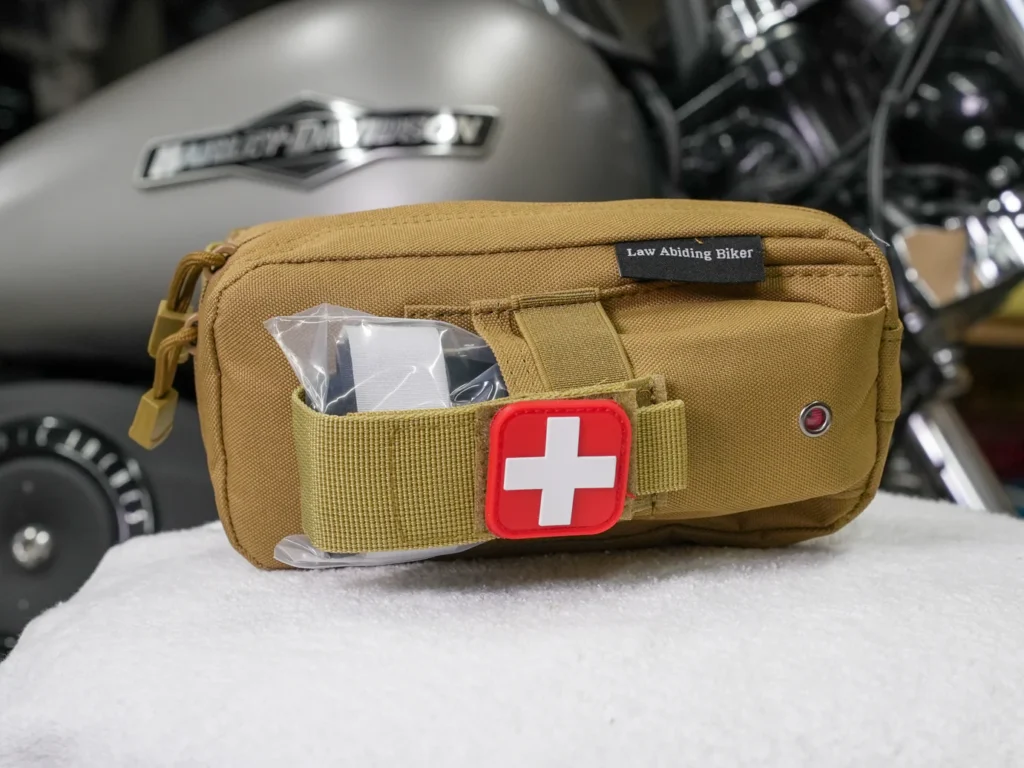
Carrying a first-aid kit with oxygen cylinders on organized tours, informing tour leaders about pre-existing health conditions, keeping emergency contact numbers and nearest hospital names written down, and never ignoring mild symptoms — they escalate quickly at high altitudes — are the operational protocols that experienced Ladakh operators consistently enforce.
What High Altitude Does to the Motorcycle
While the medical dimension of high-altitude riding receives most of the discussion, the mechanical consequences are equally important and require specific preparation depending on the motorcycle’s fuel delivery system.
The core mechanical effect of altitude on an internal combustion engine is consistent regardless of bike type: at 15,000 feet, atmospheric pressure is approximately 8.29 PSI compared to 14.7 PSI at sea level — a reduction that means the engine receives roughly half the oxygen available at sea level, producing proportional power loss that no tuning can fully compensate.
How that reduced air density affects fuel mixture — and what, if anything, the rider must do about it — differs fundamentally between carbureted and fuel-injected motorcycles.
For fuel-injected motorcycles, which represent the majority of modern bikes sold globally: fuel-injected bikes feature an ECU with sensors including a manifold absolute pressure sensor that automatically adjusts fuel delivery for altitude changes — the digital equivalent of carburetor rejetting, performed continuously and automatically by the engine management system. Riders on modern EFI motorcycles — the Royal Enfield Himalayan 450, KTM Adventure series, BMW GS platform, and most contemporary touring bikes — do not need to make manual fuel system adjustments for altitude. The ECU handles adaptation automatically, within its programmed parameters.
For carbureted motorcycles — which remain common on older bikes and some current budget-segment Indian market machines still popular in Ladakh: a carbureted bike requires manual jet changes for significant altitude variation. General guidelines are to maintain stock jetting up to 3,000 feet elevation, drop one to two sizes on the main jet between 3,000 and 6,000 feet, drop two to three sizes and check needle clip position between 6,000 and 9,000 feet, and drop three to four sizes and adjust the pilot jet for elevations above 9,000 feet. At high altitudes the air is lean, and the carburetor must be jetted lean to achieve the correct air-fuel mixture — running a sea-level jet at Khardung La produces a rich mixture that results in sluggish throttle response, fouled spark plugs, and reduced power.
Fuel logistics add a specific logistical challenge for Ladakh specifically. Fuel stations are very few and far between in high-altitude regions. Some stretches between fuel stations are over 300 km long. Carrying extra fuel in a jerry can is essential for remote stretches. Planning fuel stops with the same rigor applied to planning accommodation is a non-negotiable preparation step — a bike that runs out of fuel on a remote high-altitude pass cannot be pushed to the next station.
Road Conditions: The Technical Riding Environment
High mountain passes like Khardung La, Chang La, and Tanglang La in Ladakh involve snow, loose gravel, water crossings, sharp curves, and bone-chilling winds simultaneously. Even a minor fall can turn serious due to rough terrain.
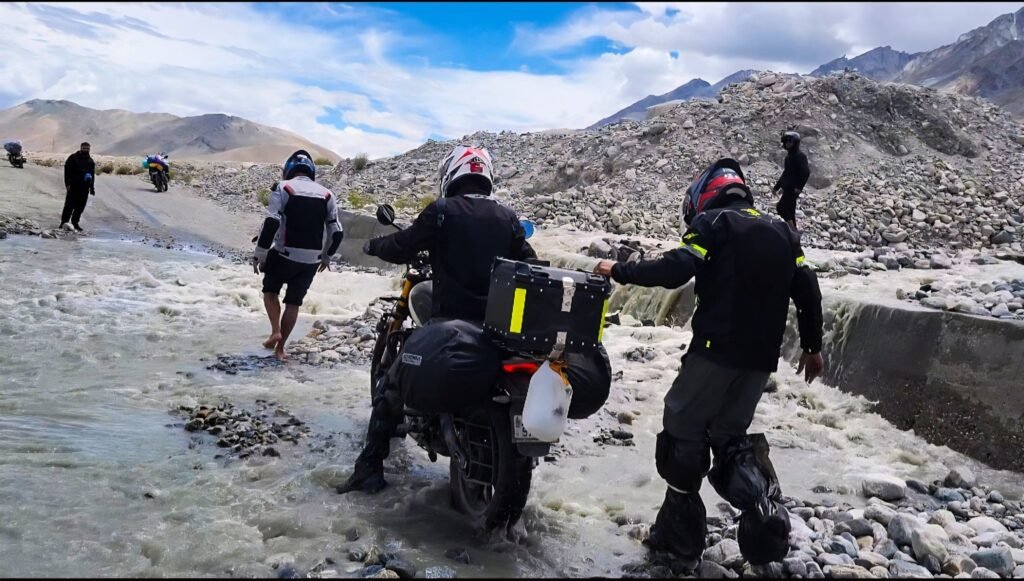
Water crossings — stream fords that cut across roads particularly during June and July when snow melt is at its peak — require specific technique. Approach at a steady, slow pace in a low gear, maintain momentum without accelerating aggressively mid-crossing, and keep feet on pegs rather than dropping them to the ground where the riverbed may be uneven. Stopping mid-crossing is the most common cause of a water-crossing incident.
Starting early to avoid afternoon winds and traffic on high passes is a consistent recommendation across Ladakh riding guides. Riders can only spend 15 to 20 minutes at the summit of the highest passes before the risk of severe AMS or hypothermia sets in. It is a fleeting moment — a quick photo with the signboard, a glance at the vast surrounding landscape, and a hasty descent to thicker air.
Weather forecasting for Alpine passes requires different tools than standard weather apps. Mountain weather can change in unpredictable ways — always checking AccuWeather or a comparable service before starting any day’s ride and tracking conditions during the approach is standard practice. A clear morning on the valley floor provides no guarantee that the pass above is not in cloud, snow, or high wind. Passes should be approached with a clear abort threshold: if conditions deteriorate to the point of reduced visibility or ice on the road surface, the descent begins immediately rather than after attempting to complete the crossing.
Permits, Documentation, and Connectivity
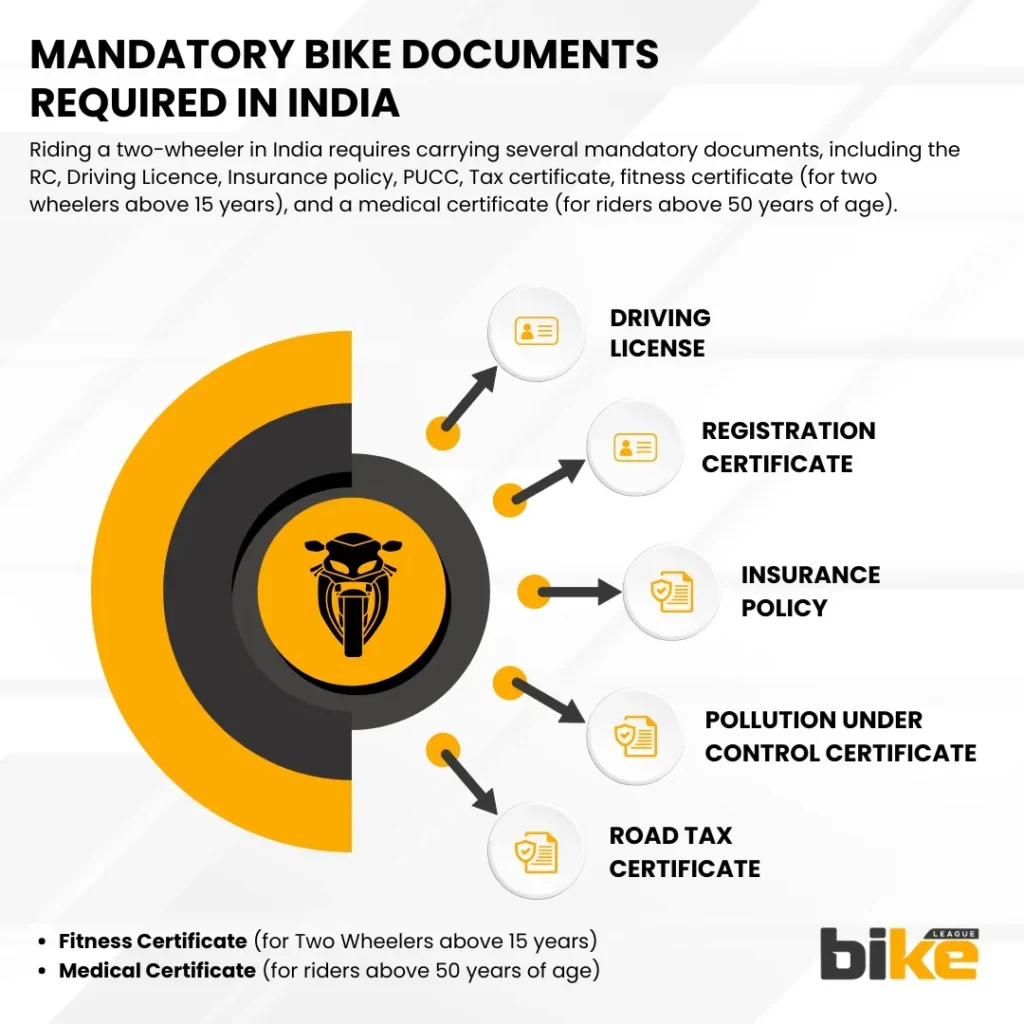
For the Ladakh region specifically, the permit framework requires advance planning. To visit certain areas in Ladakh, permits are required: the Inner Line Permit is required for Indian citizens traveling to restricted areas like Nubra Valley and Pangong Lake, while the Protected Area Permit is required for foreign nationals visiting Ladakh. These permits can be obtained online or from the Leh DC office, and both digital and hard copies should be carried while riding.
Beyond Leh and Kargil in Ladakh, ATMs are not available. UPI payments are accepted in the main towns, but carrying sufficient cash before departure from Leh is essential. U.S. Travel Association Cellular connectivity follows a similar pattern: postpaid connections from Airtel, Jio, and BSNL work in populated towns, but on the high passes and remote valleys between them, the phone is offline. Downloading offline maps for the entire itinerary before leaving Leh is mandatory, not optional.
The preparation framework for mountain pass riding converges on a principle that applies equally to Khardung La and the Stelvio: the mountain does not accommodate the unprepared rider. It simply presents the same road to everyone, indifferent to whether the person on it has understood what riding it actually requires.